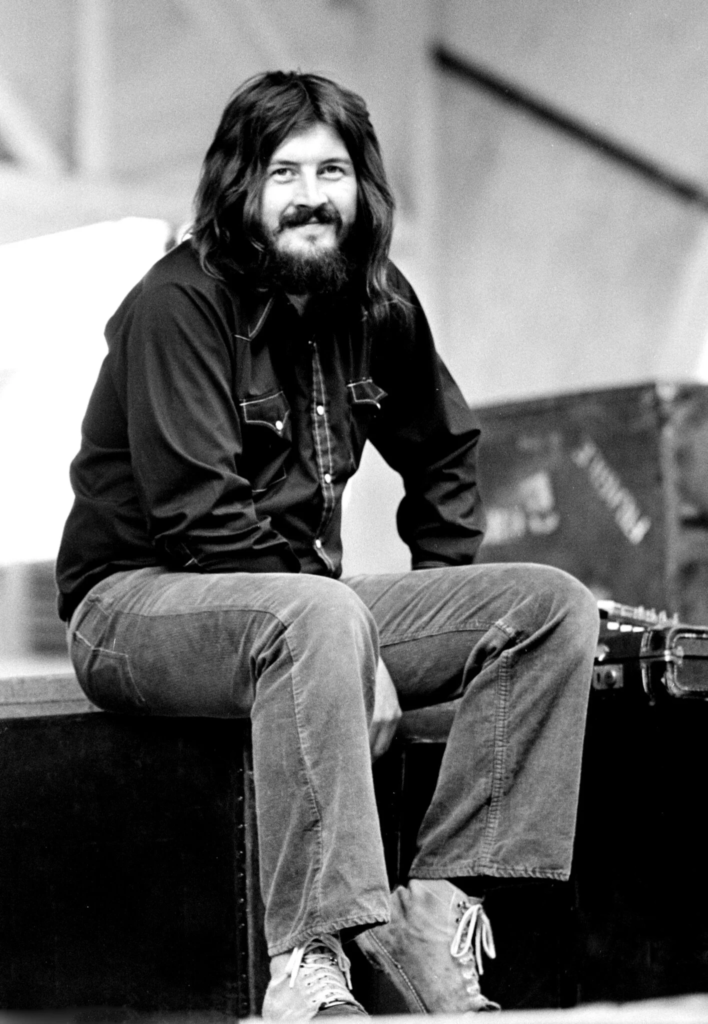
The piece does a good job capturing why John Bonham still dominates “greatest drummer” conversations: it focuses less on nostalgia and more on feel. That’s really the core of Bonham’s legacy. Plenty of drummers have technical speed or complexity, but Bonham combined power, groove, swing, and timing in a way that still sounds modern.
A few things stand out historically:
- On Led Zeppelin, especially the song Good Times Bad Times, listeners genuinely thought he was using double bass drums because of the speed and consistency of his triplets. He wasn’t.
- Tracks like When the Levee Breaks became reference points for drum production itself. That huge, echoing sound has influenced rock, metal, hip-hop, and even electronic music for decades.
- Moby Dick helped redefine the idea of a drum solo in arena rock—not just technical display, but something physical and explosive.
What separated Bonham from many technically elite drummers was groove. He pulled from blues, funk, and even jazz phrasing, which gave Led Zeppelin its swing. Songs like Fool in the Rain show that especially well because of the shuffle feel.
The article also makes an important point about the band ending after his death. When Bonham died in 1980, Led Zeppelin chose not to continue with another permanent drummer. That decision reinforced how central he was to the band’s identity. Many groups replace members; Zeppelin effectively said Bonham was part of the irreplaceable chemistry.
In drummer discussions today, you still hear Bonham’s name alongside players like Neil Peart, Keith Moon, Stewart Copeland, and Dave Grohl. But Bonham often becomes the benchmark because his playing feels both primal and musical at the same time.
That combination is why recordings from the late 1960s and 1970s still hit with the same force now.