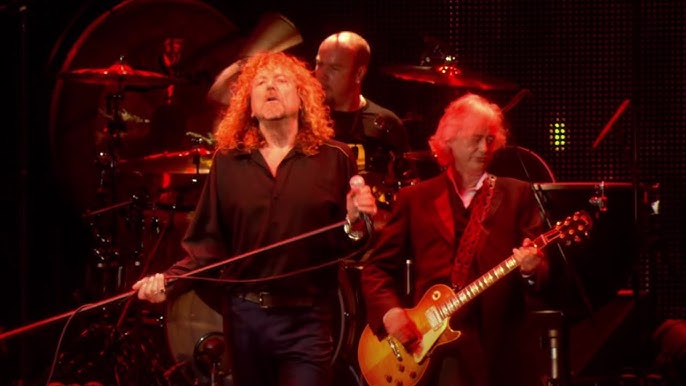
Rock and roll mythology is full of hotel destruction stories, but most of them are exactly that — mythology, inflated and polished by decades of retelling until the truth is somewhere underneath all the entertaining nonsense. Led Zeppelin’s hotel stories are different. They are extensively documented, corroborated by multiple witnesses, and in some cases, accompanied by invoices. The Zeppelin tour of America in the early 1970s generated damage claims that were unprecedented in the hotel industry and that caused multiple major chains to refuse to book the band or any band associated with their management.
The most famous incident is the Continental Hyatt House in Los Angeles — known among touring musicians of the era simply as the Riot House. Zeppelin essentially occupied it during their American tours, booking multiple floors and treating them as their private property in the most literal possible sense. Motorcycles were ridden down hallways. Televisions went through windows into the pool below. Room service carts were used as vehicles. A mud shark allegedly appeared at some point in a scene involving a female groupie that has been described in the band’s oral history Hammer of the Gods in terms that are not suitable for repetition and that some participants have since disputed.
Jimmy Page, asked about these years in later interviews, has approached them with the combination of mild embarrassment and unmistakable nostalgia that characterizes the way most people discuss the best period of their lives. He has been careful to note that the music was always the priority — that the chaos of the touring life existed alongside, not instead of, the creative work that produced Led Zeppelin IV, Houses of the Holy, and Physical Graffiti.
And this is the thing that gets lost in the mythology. Led Zeppelin at their touring peak were not simply a band with a reputation for destruction. They were one of the greatest live acts in rock history, performing two-to-three-hour concerts every night that Jimmy Page later said he considered a form of ritual. Page was deeply interested in occultism — he had purchased Aleister Crowley’s former house on the shores of Loch Ness — and he spoke about the best Zeppelin performances as moments of genuine collective transcendence. Robert Plant’s voice. John Bonham’s drumming, which was so physically powerful that other drummers at the time genuinely could not understand how he produced those sounds with human hands. John Paul Jones’s bass and keyboard work, providing the architectural foundation that allowed the other three to take extraordinary risks.
The night Page has cited most often as the best of his life was a concert at Madison Square Garden in 1973, filmed for the concert film The Song Remains the Same. The band was at the absolute peak of their powers. Page performed his guitar solo using a violin bow — a technique he had developed to create sustained, orchestral sounds from the electric guitar — and the audience response was, by multiple accounts, something approaching religious. Plant told interviewers afterward that he felt, during that concert, that something was happening that could not be fully explained by the music alone.
The hotel room came afterward. It always did.