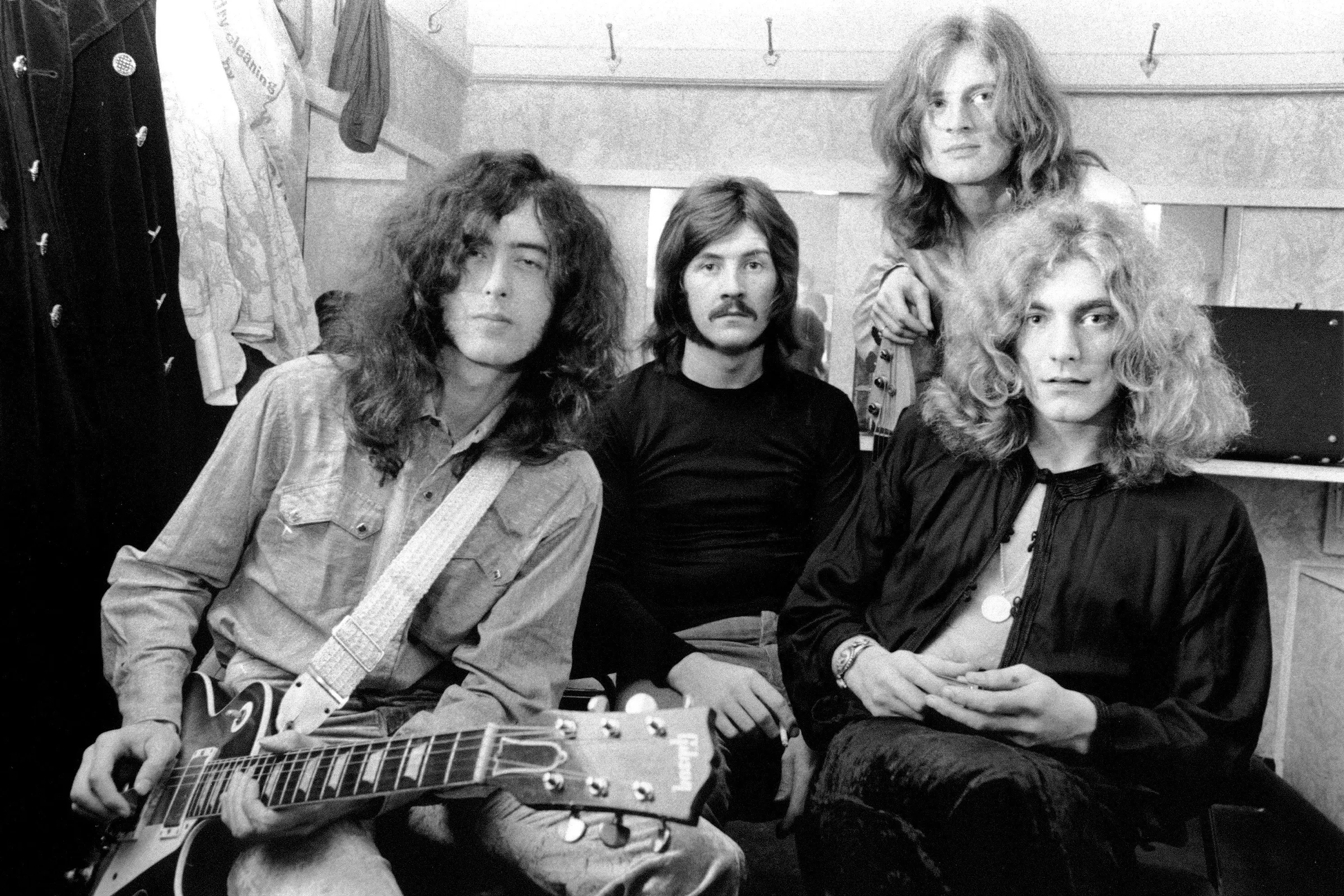
On September 25, 1980, John Bonham, the drummer who had powered Led Zeppelin since 1968, died at guitarist Jimmy Page’s home after a day of heavy drinking. He was only 32. Ten weeks later, the three surviving members released a short statement that closed the book on one of the most successful bands in rock history, choosing to end everything rather than continue without him.
The timing made the loss even harder to process. Led Zeppelin had just wrapped a low-key European tour and were gearing up for their first North American run in three years, a comeback many assumed would reestablish them as the biggest live act on the planet. Bonham had been rehearsing with the band at Bray Studios that final day, reportedly drinking the equivalent of around 40 measures of vodka before going to sleep that night. He never woke up. The coroner ruled the death an accident, caused by asphyxiation in his sleep after the excessive drinking.
What followed was weeks of silence from the band. Robert Plant, Jimmy Page, and John Paul Jones gave themselves time to grieve before facing the obvious question hanging over their future: could Led Zeppelin survive without the drummer who had defined their sound for twelve years? For many bands, the answer would have been to find a replacement and keep touring. Led Zeppelin chose differently.
On December 4, 1980, the surviving trio issued a brief public statement explaining that the loss of their friend, and the bond it had revealed between the three of them, had led them to conclude they could not carry on as they had before. It was simple, dignified, and final. No replacement drummer, no transitional lineup, no attempt to cash in on the name. Led Zeppelin was finished.
Years later, Page explained part of the reasoning in an interview, pointing out that Zeppelin’s songs had evolved so much through years of nightly improvisation on stage that handing them to a new drummer would have meant essentially reteaching the band’s entire catalog from scratch. Bonham wasn’t simply keeping time behind the kit; he was an architect of how those songs lived and breathed live, stretching and reshaping arrangements night after night in ways that existed nowhere on paper. There was no version of moving forward that didn’t feel, to the three men left behind, like a betrayal of everything he had built with them.
The decision meant Led Zeppelin became one of the rare mega-acts in rock history to walk away while still at the absolute height of its powers, rather than limping on through declining albums and resentful reunion tours. The three surviving members did reunite briefly over the following decades: at Live Aid in 1985, at Atlantic Records’ 40th anniversary concert in 1988, and one final time in 2007 at London’s O2 Arena, with Bonham’s son Jason taking his father’s place behind the drums each time. Each reunion drew rapturous reviews and louder calls for a full-time return. Each time, the band quietly declined. Led Zeppelin, as it existed from 1968 to 1980, never played another regular show again.