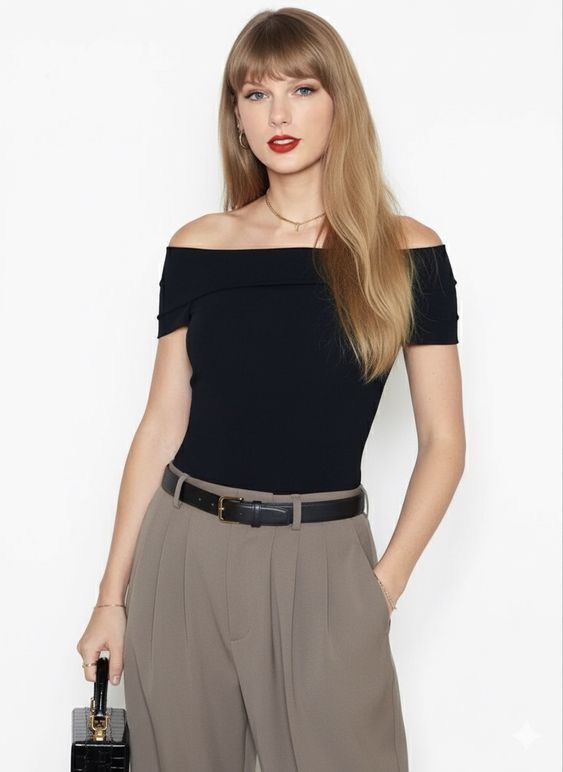
The idea that artists should own their own music isn’t new—but it took Taylor Swift to turn that belief into a full-scale industry shift.
In 2019, Swift found herself at the center of a highly publicized dispute over the ownership of her master recordings—her first six albums—after they were sold as part of a deal involving Big Machine Records and music executive Scooter Braun. For Swift, the issue wasn’t just business—it was personal. These were the songs she had written, the work that defined her early career, and yet she didn’t control them.
What happened next changed everything.
Instead of accepting the situation, Swift made a bold and almost unprecedented move: she decided to re-record her old albums. By creating new versions—fully owned by her—she could reclaim control over how her music was used, licensed, and valued. Projects like Fearless (Taylor’s Version) and Red (Taylor’s Version) weren’t just nostalgic releases; they were strategic, powerful statements about ownership.
The impact was immediate and far-reaching.
Suddenly, artists across the industry began paying closer attention to the fine print of their contracts. Conversations about “masters,” “rights,” and long-term control moved from behind-the-scenes legal talk into mainstream awareness. Younger artists, in particular, started pushing harder for ownership clauses, shorter contract terms, or at least clearer paths to eventually owning their work.
Record labels noticed too. While not every deal changed overnight, negotiations began to shift. The leverage artists had—especially those with proven audiences—grew stronger. Swift had demonstrated that ownership wasn’t just a legal concept; it could be a career-defining strategy.
Saying that every contract after 2019 directly references Swift might be an exaggeration—but the influence is undeniable. Her actions became a case study, a warning, and an inspiration all at once. Lawyers, managers, and artists now regularly point to her situation when discussing rights and long-term value.
More importantly, she changed the narrative. Before, ownership battles were often hidden or accepted as part of the system. After Swift, they became something artists felt empowered to question—and fight for.
In the end, Taylor Swift didn’t just reclaim her own music. She reshaped how an entire generation of artists thinks about their work, proving that creative control isn’t just about making music—it’s about owning your story long after the song is finished.