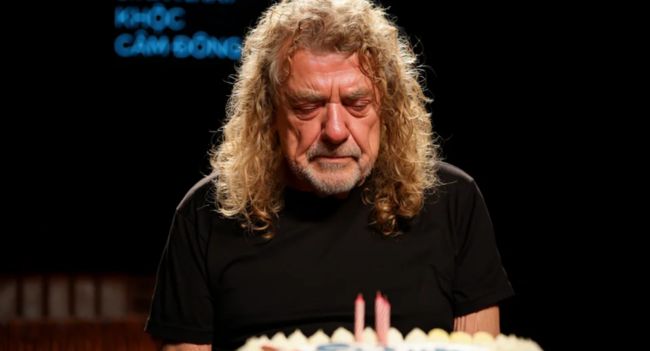
More than four decades after Led Zeppelin’s dissolution, fans continue to hold out hope for a full reunion tour. But Robert Plant has consistently been the band member least interested in making that happen, and his reasoning has remained fairly consistent across years of interviews.
Led Zeppelin effectively ended in 1980 following the death of drummer John Bonham. The surviving members — Plant, guitarist Jimmy Page, and bassist John Paul Jones — briefly reunited for special one-off performances over the years, most notably a full concert at London’s O2 Arena in December 2007 as a tribute to Atlantic Records co-founder Ahmet Ertegun. That show, featuring Bonham’s son Jason on drums, was met with such overwhelming demand for tickets that it sparked serious discussion of a full reunion tour.
Plant, however, has repeatedly resisted pressure to turn that one-off show into an ongoing reunion. He has spoken about not wanting to be trapped by nostalgia, preferring instead to continue exploring new musical directions rather than spend years performing the same catalog of songs from his twenties. Since Led Zeppelin’s breakup, Plant has built an extensive and critically respected solo career, including his Grammy-winning collaborative album with Alison Krauss, “Raising Sand,” released in 2007 — work that reflects a very different, more understated musical sensibility than Zeppelin’s arena-rock bombast.
Page, by contrast, has been more vocal over the years about his openness to a reunion tour, and reports have periodically surfaced suggesting eye-watering offers from promoters for a full run of shows. Those offers have consistently gone nowhere, largely due to Plant’s reluctance.
Plant has framed his decision less as a rejection of Led Zeppelin’s legacy and more as a desire to keep moving forward artistically rather than looking backward. He’s noted that revisiting the band’s material as a business proposition, rather than an organic creative impulse, felt at odds with what made the music meaningful in the first place. For Plant, the O2 Arena show worked precisely because it was a singular, emotionally significant event rather than the start of a commercial victory lap.
This tension between Plant’s artistic instincts and the massive commercial appetite for a reunion has become its own piece of rock folklore, discussed almost as much as the band’s original run. Jones has generally sided with continuing to explore new projects as well, leaving Page as the primary advocate for a return that has never come.
Barring a change of heart, it appears increasingly likely that the 2007 O2 Arena show will remain the closest thing fans ever get to a full-fledged Led Zeppelin reunion — a decision that, love it or hate it, reflects Plant’s consistent commitment to artistic integrity over nostalgia.