In the age of social media, history doesn’t just live in books—it resurfaces in fragments. A photograph, a quote, a fleeting moment pulled out of context can spark debates that feel as immediate as if they happened yesterday. That’s exactly what unfolded recently when a decades-old image of John Lennon and Yoko Ono began circulating online once again.
The photo, taken during one of their famous 1969 “Bed-Ins for Peace,” shows the couple standing in their hotel room while a maid makes their bed. To some viewers, the image seemed contradictory—peace activists enjoying the comforts of a luxury hotel while protesting a brutal war. One user summed it up with a pointed caption: “The irony should not be lost.”
But Sean Ono Lennon wasn’t having it.
Responding directly, Lennon challenged the interpretation with a clarity that cut through the noise. “There is zero irony in letting a maid do her job,” he wrote, calling the take “very goofy.” He went further, offering a thoughtful distinction: what people were seeing wasn’t irony—it was absurdity.
And that difference matters.
Irony implies contradiction in intent. It’s a kind of hypocrisy where actions undermine beliefs. But as Sean explained, his parents weren’t contradicting their message—they were amplifying it in an unconventional way. Their Bed-Ins weren’t about rejecting comfort or staging hardship. They were about using their fame, their platform, and yes, even their privilege, to draw attention to the horrors of war.
In that light, the setting becomes part of the statement. A peaceful honeymoon suite juxtaposed against the chaos of global conflict isn’t hypocrisy—it’s performance. It’s theater. It’s a deliberate, almost surreal contrast designed to provoke thought and conversation.
And clearly, it still works.
More than half a century later, people are still debating what John and Yoko were trying to say. That alone speaks to the enduring power of their approach. They didn’t protest in the streets with signs and slogans alone—they turned their personal lives into a canvas, blending activism with art in ways that still feel unconventional today.
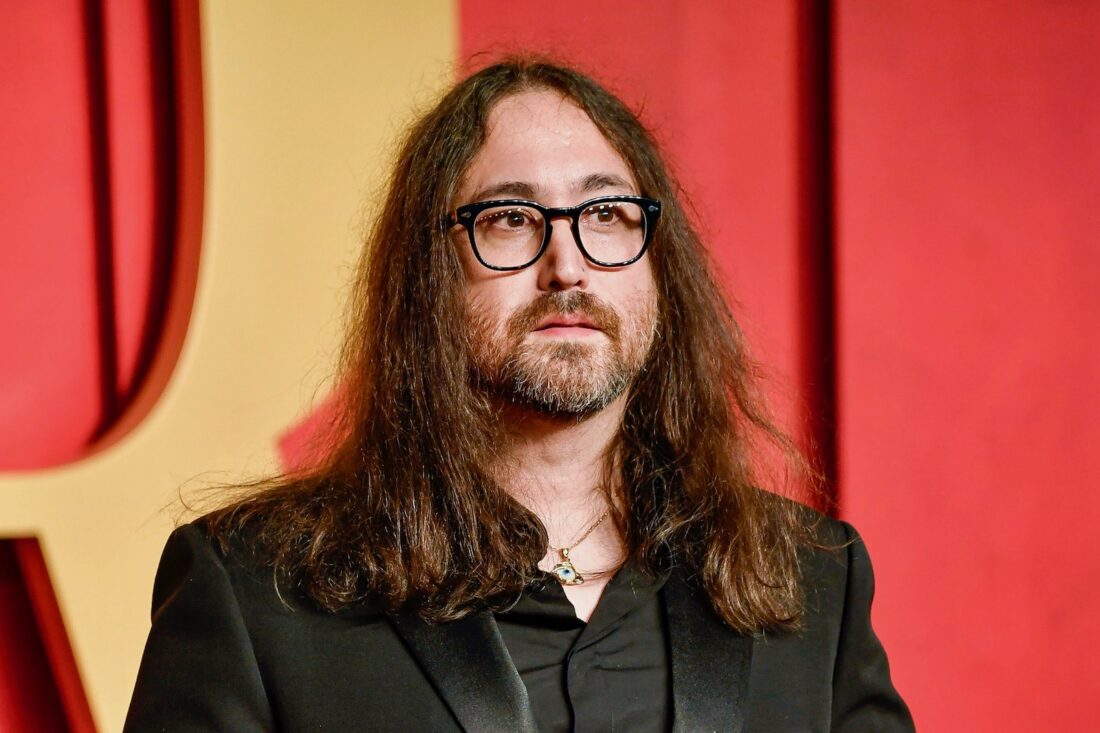
Sean Ono Lennon, now 50, has increasingly taken on the role of steward for that legacy. As the son of two of the most iconic and often misunderstood cultural figures of the 20th century, he frequently steps in to clarify, defend, and reinterpret their work for a new generation.
It’s not just about correcting the record—it’s about preserving intent.
In interviews, Sean has spoken about feeling a responsibility to carry forward the message embedded in his parents’ art and activism. Not as nostalgia, but as something still relevant. The call for peace, the challenge to question norms, the willingness to embrace absurdity to make a point—these aren’t relics of the past. They’re tools that still resonate in a complicated world.
The viral photo, then, isn’t a contradiction. It’s a reminder.
A reminder that activism doesn’t always look the way we expect. That art can be playful and serious at the same time. And that sometimes, what appears strange or contradictory at first glance is actually something more deliberate—and more meaningful—beneath the surface.
As Sean succinctly put it, if his parents had protested war while driving a tank—that would have been irony.