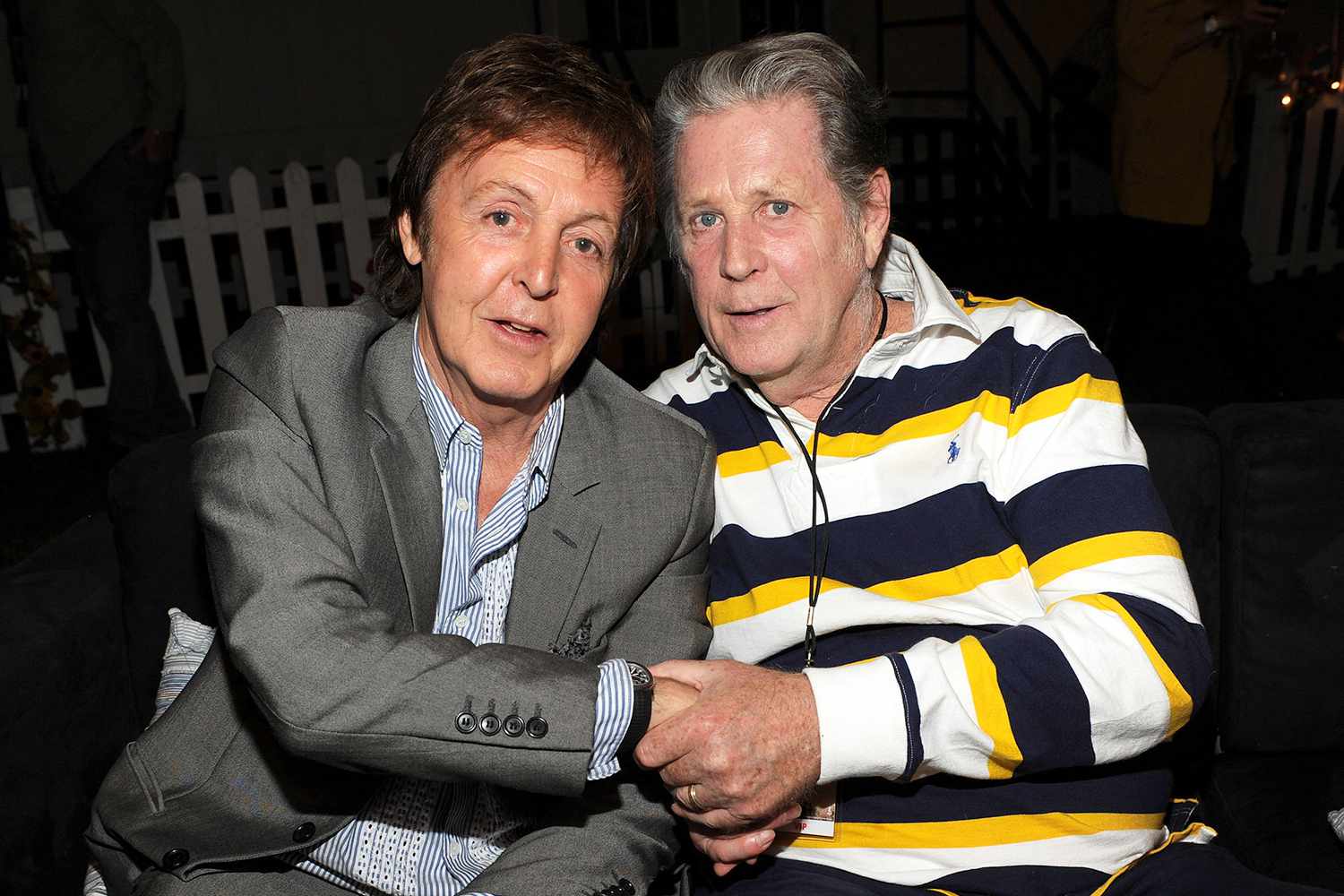
In 1966, two bands on opposite sides of the world entered a creative competition so intense and so productive that it generated, within the same twelve-month period, two albums that music critics have argued about ever since — not about whether they are great, but about which of them is the greatest. The albums were Pet Sounds and Revolver. The bands were the Beach Boys and the Beatles. And the rivalry between them was less a competition than a conversation — an exchange of challenges and responses that neither band could have conducted with anyone else.
Brian Wilson heard Rubber Soul in December 1965 and experienced what he later described as the most significant musical event of his life. He did not hear it as one good album. He heard it as a declaration of intent — a statement that pop music could be a cohesive artistic work rather than a collection of singles, that an album could have a mood and a perspective and a sustained emotional intelligence. He heard it and decided to make something better.
The resulting sessions produced Pet Sounds — an album of such harmonic sophistication and emotional vulnerability that Capitol Records, the Beach Boys’ label, did not know how to market it. There were no obvious singles. The subject matter — loneliness, the fear of growing up, the anxiety of not being loved the way you needed to be — was not what anyone expected from the band that had made Surfin’ USA. Capitol released it reluctantly and gave it minimal promotional support. It sold poorly in the United States.
In England it sold enormously and was heard by Paul McCartney, who has called it the greatest album ever made on multiple occasions across multiple decades and who has never seen any reason to revise that assessment. McCartney played Pet Sounds to the Beatles repeatedly during the sessions for what would become Revolver. The effect was audible. The Beatles responded to Wilson’s harmonic ambition with their own — with Eleanor Rigby, with Tomorrow Never Knows, with the string arrangements that gave the album its chamber music quality alongside its psychedelia.
And then Wilson heard Revolver and went back into the studio to make Smile — the album that was going to surpass everything, that was going to be his teenage symphony to God. His mental health collapsed under the pressure of it. The album was shelved for thirty-seven years.
McCartney has said he feels responsible, in some oblique and unavoidable way, for what happened to Wilson. That the escalation of the competition contributed to a pressure Wilson was not equipped to survive. This is generous and probably overstated — Wilson’s psychological vulnerability predated the Beatles and would likely have found expression regardless. But the sequence is real. Rubber Soul made Pet Sounds. Pet Sounds made Revolver. Revolver made Wilson reach for something that broke him.
The two greatest albums of the era were made in direct response to each other by two men who had never met, communicating entirely through vinyl, across the width of an ocean. Music has never since produced a conversation of that quality at that level.