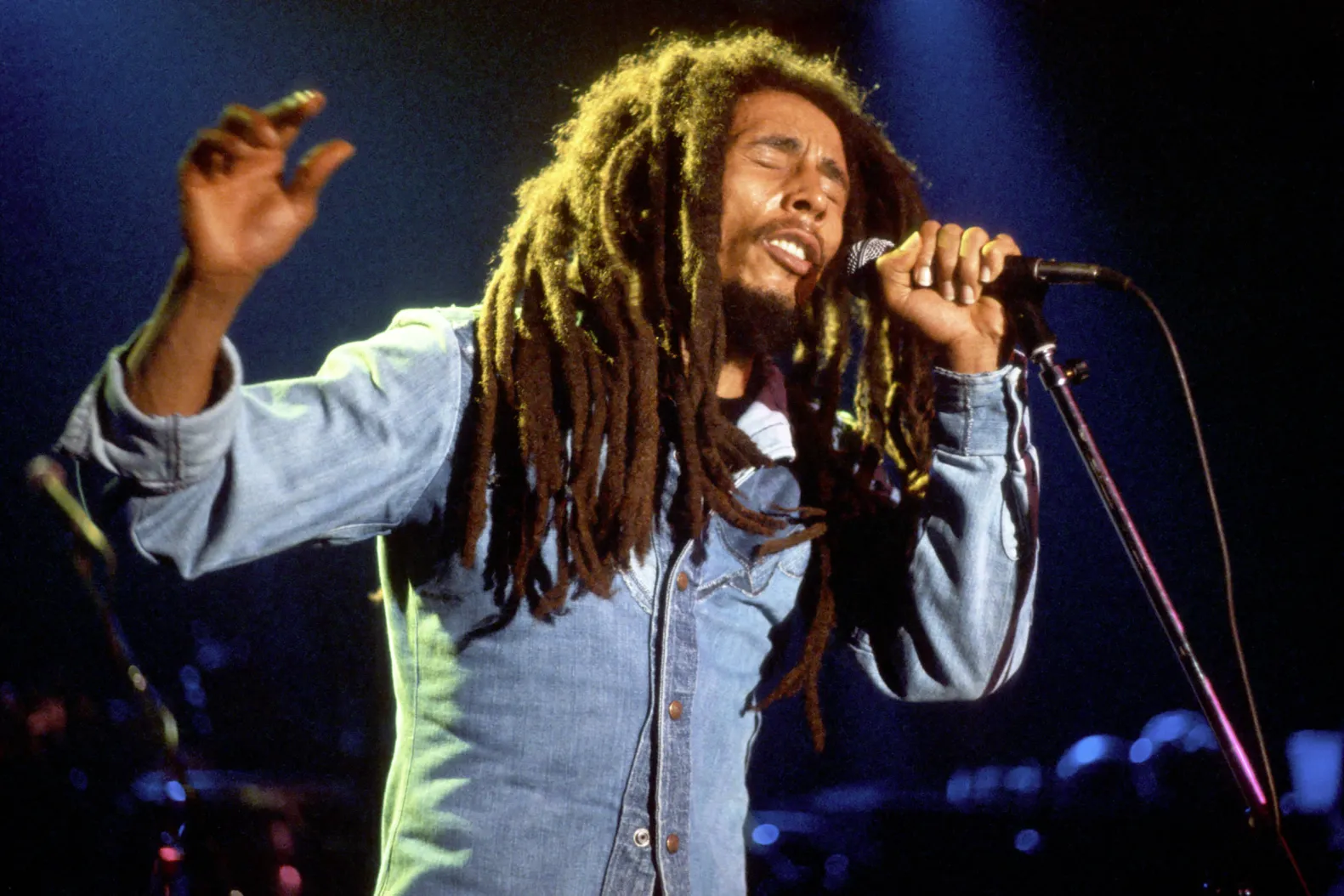
On April 22, 1978, Bob Marley stood on a stage at the National Stadium in Kingston, Jamaica, and did something that no politician, no police force, and no government initiative had been able to accomplish in the preceding years of political violence that had killed hundreds of Jamaican civilians. He brought Michael Manley and Edward Seaga — the leaders of the two political parties whose proxy gang warfare was consuming Kingston — onto the same stage and joined their hands above his head.
The moment lasted approximately thirty seconds. The photograph of it has circulated ever since as one of the most powerful images in the history of popular music and political symbolism. What preceded the moment, and what made it possible, is the less-told part of the story.
Jamaica in 1978 was a country in which political violence had become so normalized and so systematic that the specific neighborhoods of Kingston were effectively controlled by armed gangs affiliated with the two major parties — the People’s National Party and the Jamaica Labour Party — and that moving between those neighborhoods carried genuine physical risk. The violence had reached a peak in the years immediately preceding the Peace Concert — a series of killings and reprisals that had produced a casualty count that the Jamaican government was not entirely forthcoming about and that the communities experiencing it understood as a sustained emergency.
The One Love Peace Concert was organized not by politicians or by the government but by two gang leaders — Claudie Massop from the Jamaica Labour Party’s garrison and Bucky Marshall from the People’s National Party’s garrison — who had reached the conclusion, independently and then together, that the violence was consuming the communities it was supposed to be protecting and that music might accomplish what politics had not. They approached Marley, who was in London following the attempt on his life in December 1976. He agreed to return and perform.
Marley’s performance at the Peace Concert was not the careful, managed event that the phrase “peace concert” might suggest. It was two hours of music performed by a man who had been shot and who had come back anyway — whose presence on that stage was itself a statement about what he believed music and community could accomplish in the face of violence. The audience — eighty thousand people from the warring communities — was the most politically charged crowd he had ever performed for, and the performance he gave was, by the accounts of everyone present, among the finest of his career.
The moment when he called the political leaders onto the stage was not planned in the formal sense — it was an improvisation within a broader intention, Marley moving the event toward something he had decided should happen. He took Manley’s hand. He took Seaga’s hand. He raised both above his head. The stadium responded with an intensity that the people present have described as the closest they have ever come to believing, in a public space, that something was genuinely possible.
The truce did not hold permanently. The violence returned to Kingston after the concert, as the structural conditions that produced it were not changed by a moment of symbolic unity, however powerful. But the moment existed. The photograph exists. Two men whose organizations had been killing each other stood on a stage together because a musician asked them to.
Marley died in May 1981. He was 36. The Peace Concert remains the most significant political act in the history of popular music — not because it solved the problem it addressed, but because it was attempted by a man who understood that the attempt was necessary whether or not it succeeded.