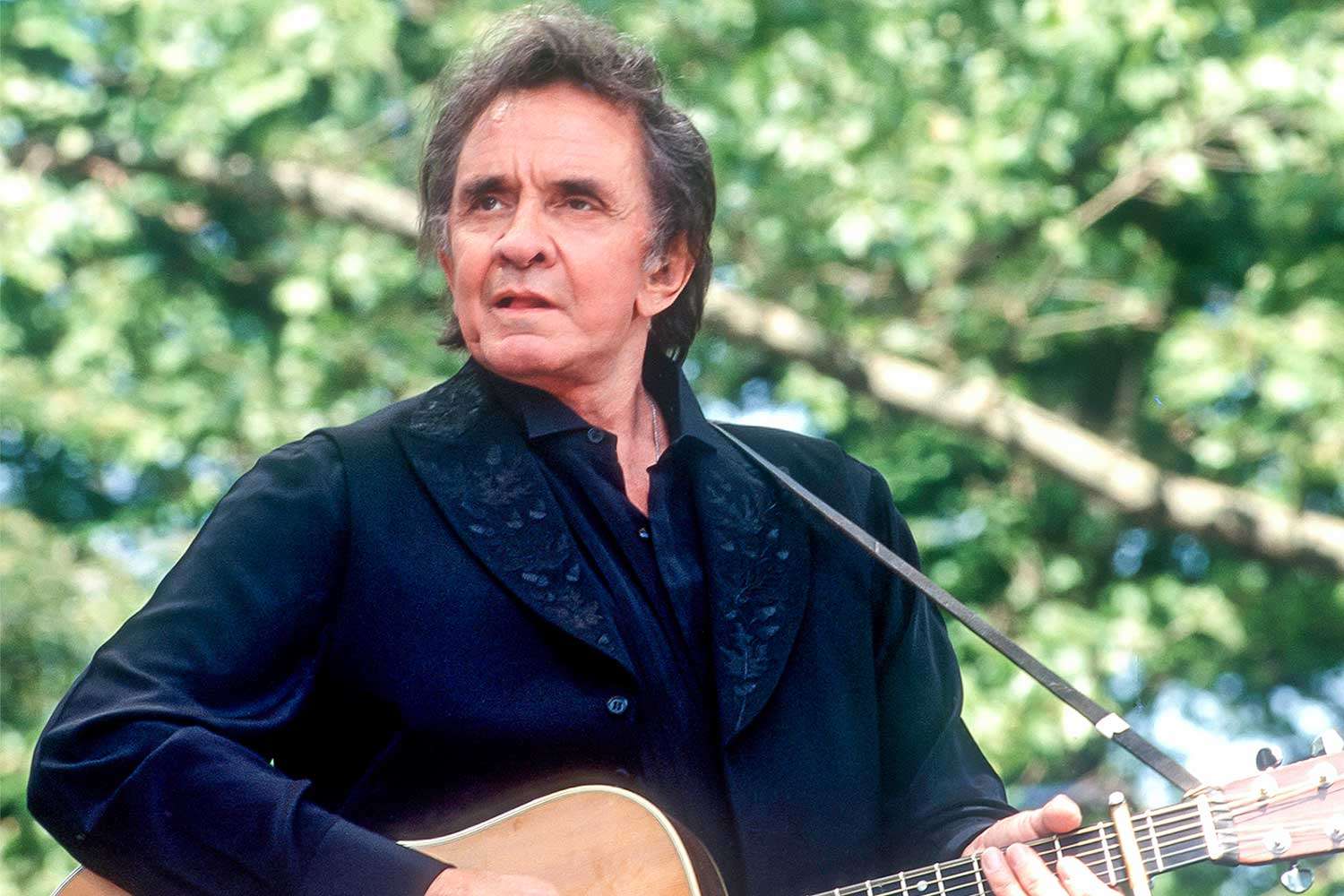
By 1996, Johnny Cash had been famous for forty years and was, by the music industry’s cold actuarial assessment, finished. His record label had dropped him. Radio would not play him. The country music establishment that he had helped to build had moved on to younger, smoother, more commercially manageable artists. He was 64 years old, in declining health, still touring but to smaller venues, still recording but without the infrastructure that translates recording into cultural impact. The industry had done what industries do to aging artists — it had politely indicated that his time was over and moved on to the next thing.
Rick Rubin was 33 years old and had produced the Beastie Boys and Run DMC and Red Hot Chili Peppers. He called Johnny Cash out of the blue and said he wanted to make a record with him. Cash, who had nothing to lose and recognized something genuine in Rubin’s approach, agreed.
The sessions that followed were unlike anything in either man’s experience. Rubin’s method was almost aggressively simple — strip everything away. No band, no production, no Nashville machinery. Just Cash and an acoustic guitar in Rubin’s living room, recording whatever Cash felt like performing. Old songs. New songs. Other people’s songs. The performances were raw in the way that things are raw when there is nothing left to prove and nothing left to hide behind.
American Recordings (1994) was the first result — an album so stark and so honest that it won the Grammy for Best Contemporary Folk Album and reminded an entire industry that it had been confused about what greatness actually looked like.
But the record that made young artists ashamed was American IV: The Man Comes Around (2002), released when Cash was 70 and recorded while he was suffering from the autonomic neuropathy that would kill him the following year. His hands shook. His voice had lost the physical authority of his prime — the deep, controlled baritone had become something rougher, more effortful, more broken in precisely the way a voice becomes when the body housing it is genuinely failing.
The opening track is an original composition — The Man Comes Around — that draws on the Book of Revelation and sounds like a man who has been thinking carefully about death and has made his peace with it. The rest of the album includes covers of songs by artists young enough to be his grandchildren — Trent Reznor’s Hurt, Bridge Over Troubled Water, Lennon’s In My Life, Depeche Mode’s Personal Jesus.
Hurt is the one that stopped people cold. Reznor wrote it as a young man in pain. Cash performed it as an old man in pain, and the difference is the difference between a rehearsal and the real thing. The music video — directed by Mark Romanek, shot at Cash’s House of Cash museum, which was crumbling and flooding — intercuts performance footage of Cash with archival footage of his career. June Carter Cash sits beside him, watching. She died four months after the video was shot. Cash died four months after her.
Trent Reznor watched the video and said it was no longer his song. He gave it to Cash without reservation. That is what happens when an old man tells the truth so completely that the young man who thought he understood the subject discovers he was only guessing.