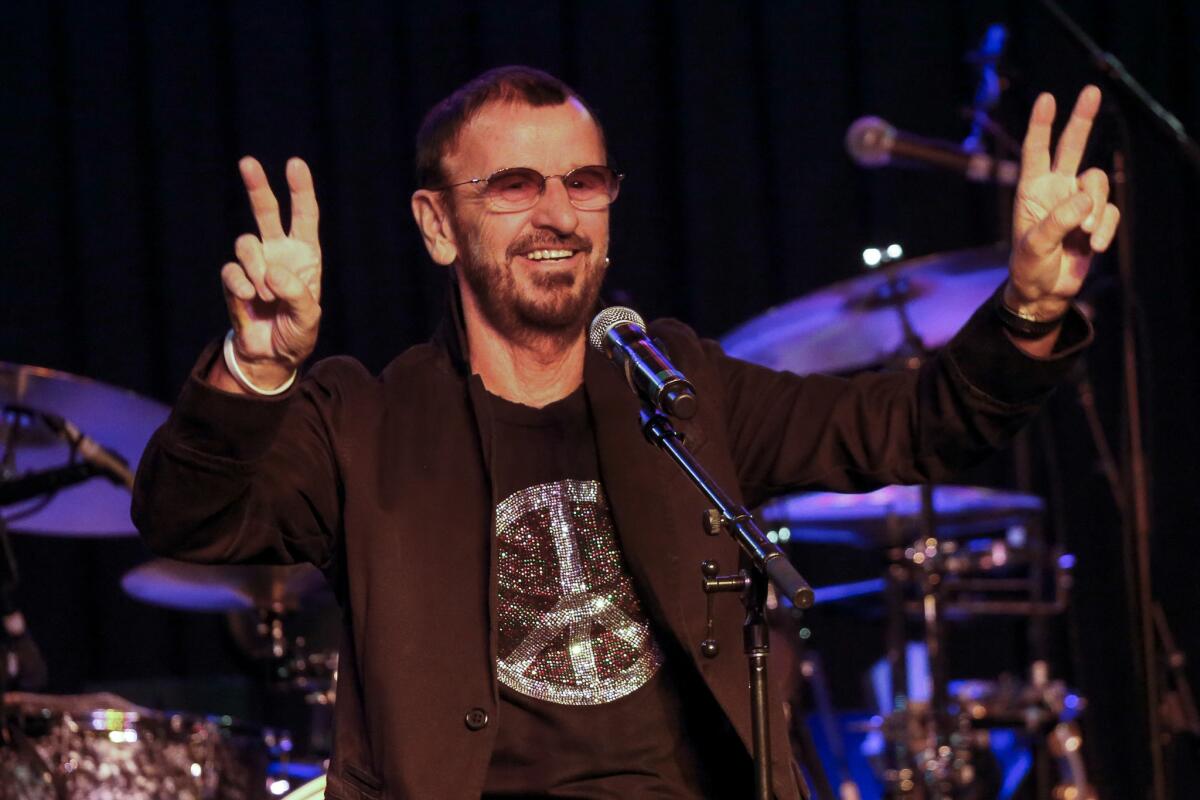
By the summer of 1968, The Beatles were no longer the tight-knit unit that had conquered the world just a few years earlier. Recording sessions for what would become “The Beatles” (better known as the White Album) had grown tense, with all four members increasingly working on separate tracks, often without the others in the room. It was during this fractured period that Ringo Starr did something few fans expected: he quit the band.
Starr has described feeling increasingly isolated during the sessions, particularly frustrated by a sense that his drumming wasn’t valued by his bandmates the way it once had been. Tensions had been simmering for months, exacerbated by the presence of Yoko Ono in the studio, disagreements over musical direction, and the sheer exhaustion of trying to record a sprawling double album’s worth of material while personal relationships within the band deteriorated.
The breaking point reportedly came during sessions for “Back in the U.S.S.R.,” when Starr, feeling that his playing was being criticized unfairly, left the studio and told the others he was quitting the band. He then left with his family for a vacation in Sardinia, uncertain whether he’d return to The Beatles at all.
What happened next has become one of the more touching footnotes in Beatles history. During his time away, Starr reportedly spent time on a friend’s yacht, where he became inspired by an octopus he observed while at sea — an experience that would later directly inspire him to write “Octopus’s Garden,” which appeared on “Abbey Road” the following year.
Meanwhile, back in London, the remaining three Beatles didn’t simply move on without him. Paul McCartney, John Lennon, and George Harrison sent Starr a telegram urging him to come back, and by the time he returned to the studio roughly two weeks later, his bandmates had decorated his drum kit with flowers as a welcoming gesture. Starr has described the moment as deeply moving, a sign that despite the mounting tensions, the four of them still cared about each other and about the band.
Starr’s brief departure is often cited by Beatles historians as one of the clearest early signs of the fractures that would eventually lead to the band’s breakup less than two years later. Yet the way it was resolved — with warmth, humor, and reassurance rather than conflict — also reflects the genuine bond that had formed among the four musicians over their years together, a bond that outlasted the band itself in the friendships that followed.
Today, “Octopus’s Garden” stands as a quiet, whimsical reminder of a difficult moment that could have ended very differently, and of a rare instance where Ringo Starr, so often overshadowed by his more prolific songwriting bandmates, contributed something lasting born directly out of personal hardship.