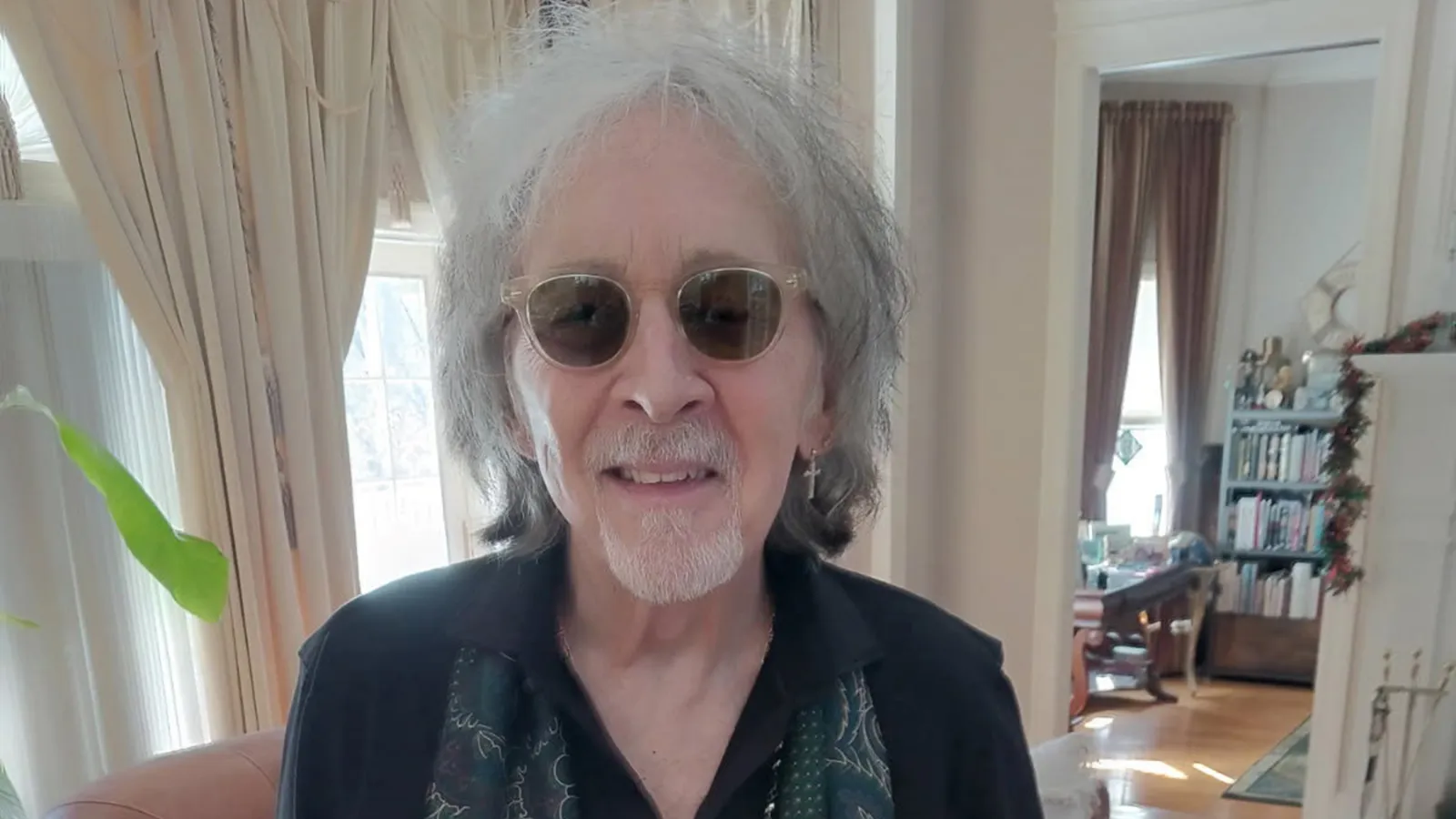
KISS’s 1996 reunion is often remembered as a nostalgic, larger-than-life comeback. But according to Peter Criss, the reality behind it was more complicated — and a lot more human.
Before the reunion, things weren’t going well. Criss and Ace Frehley were touring small venues on their own, playing to crowds of just a few hundred people. It was a big contrast to the stadiums they once filled, and they missed that life.
Even the active version of KISS, led by Gene Simmons and Paul Stanley, wasn’t at its peak. The band was appearing at fan conventions more than major shows. Everyone felt the need for something bigger.
That turning point came during the MTV Unplugged performance 1995 KISS. When the original members played together again, Criss realized two things: the chemistry was still there — and so was the business opportunity. He even joked that when he looked at Gene Simmons, all he saw was “ka-ching.”
Fans made their feelings clear that night. They wanted the original lineup back. That reaction pushed everything forward quickly.
Soon after, manager Doc McGhee called Criss with a huge offer: a worldwide reunion tour that was expected to sell out for years. Criss didn’t hesitate. He started training hard, working with a drum coach, and relearning songs he hadn’t played in nearly 20 years.
The reunion was officially announced aboard the USS Intrepid, and the moment felt unreal. Seeing themselves back in full makeup, the band felt like time hadn’t passed.
And for a while, everything worked. The reunion brought KISS back to the top, filling arenas and stadiums again.
But old problems eventually returned. Tensions grew, and Criss and Frehley left the band once more. As Criss put it, things “got crazy again,” like they often do in bands.
Still, he doesn’t regret it. The reunion proved that KISS could rise again — even if it was driven by more than just music.
In the end, the 1996 reunion wasn’t just about nostalgia. It was about survival, timing, money, and unfinished business all coming together on one stage.