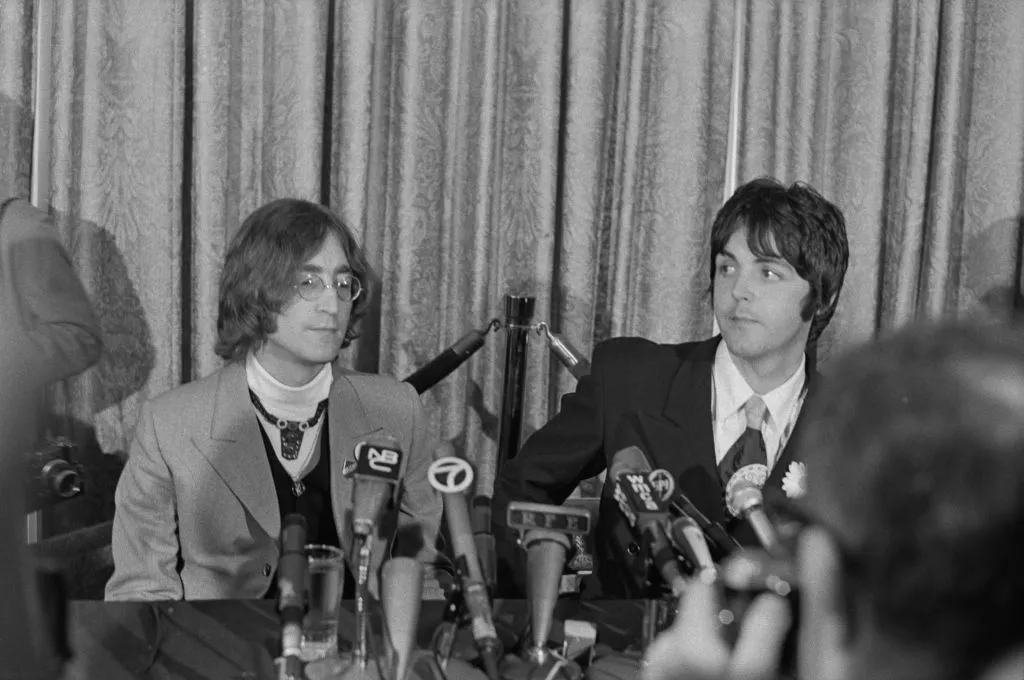
The breakup of The Beatles remains one of the most discussed events in music history. While fans often focus on the business disputes and creative differences that led to the band’s split, the emotional fallout between two of its most iconic members—Paul McCartney and John Lennon—was equally profound.
For years following The Beatles’ breakup in 1970, McCartney and Lennon barely spoke. Their once inseparable friendship had deteriorated into silence, public criticism, and deep personal hurt. Now, decades later, McCartney has offered a clearer explanation of why the rift lasted so long.
According to McCartney, the separation wasn’t driven by a single argument but by a combination of emotional wounds, business conflicts, and the pain of watching a lifelong partnership unravel. The legal battles surrounding the dissolution of The Beatles placed the former bandmates on opposite sides, creating tensions that extended far beyond music.
McCartney has acknowledged that he felt betrayed during the breakup period. After spending years building a remarkable creative relationship with Lennon, he struggled to come to terms with the band’s collapse and the public disputes that followed. The situation became even more difficult as both musicians pursued solo careers while dealing with constant media scrutiny.
Lennon, meanwhile, was outspoken in interviews during the early 1970s, sometimes directing harsh criticism toward McCartney. Those comments further strained their relationship and made reconciliation difficult. What had once been one of the most productive songwriting partnerships in history had become a source of frustration and disappointment for both men.
Despite the years of silence, McCartney has emphasized that the bond between them was never completely broken. Beneath the disagreements remained a deep respect and affection forged through years of shared experiences. As time passed, the hostility gradually faded, and the two eventually reconnected.
By the mid-1970s, their friendship had begun to heal. The conversations became more relaxed, and the bitterness that had defined the immediate post-Beatles years slowly disappeared. McCartney has often recalled that, in the end, they were able to rediscover the personal connection that existed long before fame changed their lives.
Looking back, McCartney views the period of estrangement as a painful but understandable chapter in a complex relationship. The breakup of The Beatles was not simply the end of a band—it was the end of a partnership that had shaped both men’s lives from their teenage years onward.
Today, McCartney speaks about Lennon with warmth and admiration, focusing on the extraordinary music they created together rather than the conflicts that briefly drove them apart. Their story serves as a reminder that even the strongest friendships can face difficult periods, but mutual respect and shared history can endure long after disagreements have passed.
More than fifty years after The Beatles split, the friendship between Paul McCartney and John Lennon remains one of the most fascinating and emotional stories in music history—one marked by creativity, conflict, reconciliation, and an unforgettable legacy.