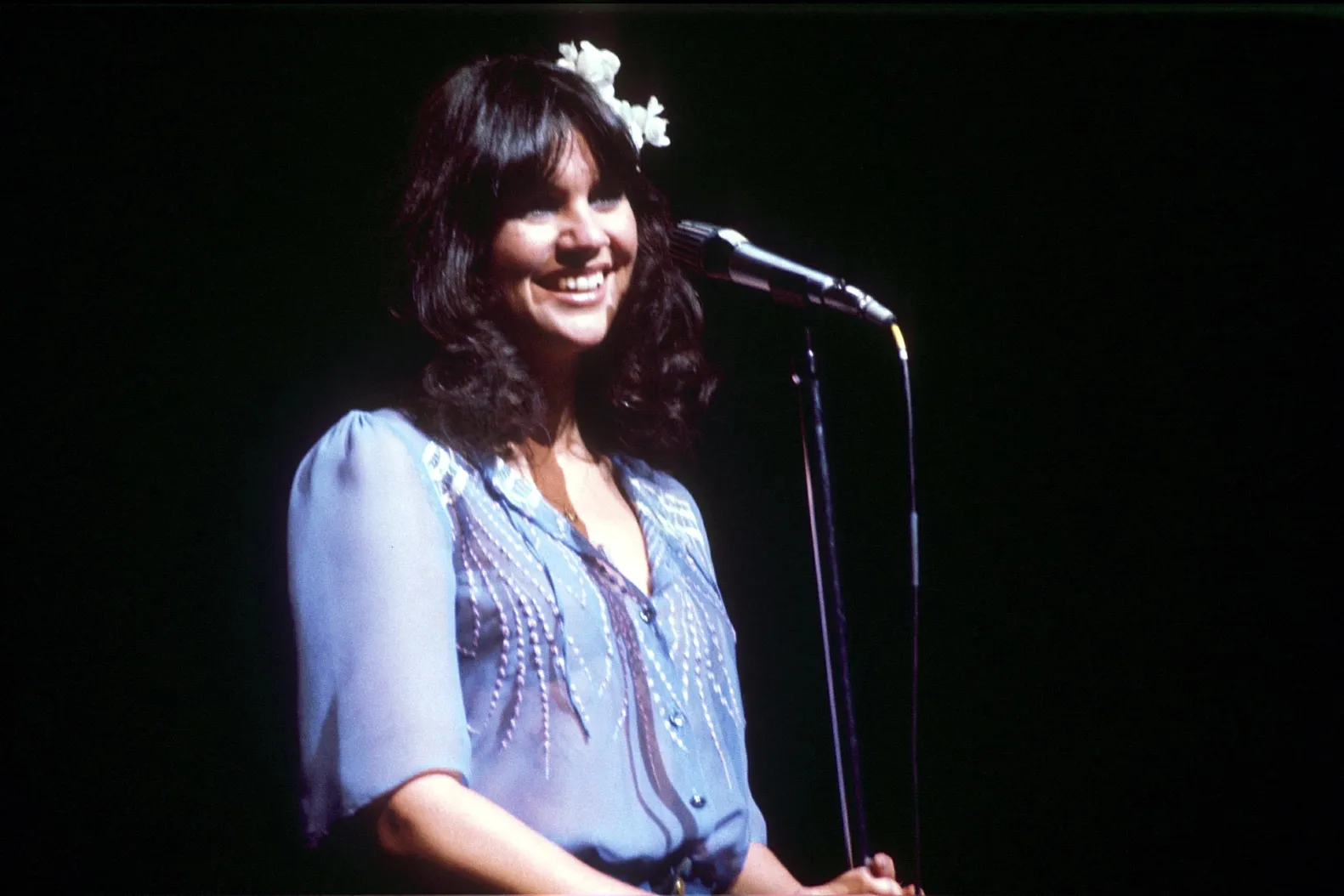
Few artists played a bigger role in introducing Warren Zevon’s music to the world than Jackson Browne and Linda Ronstadt. Browne became one of Zevon’s strongest supporters and closest collaborators, while Ronstadt’s hugely successful cover songs brought his songwriting to audiences far beyond the singer-songwriter scene.
Together, they helped transform one of Zevon’s sharpest and funniest songs, “Poor Poor Pitiful Me,” into a hit in 1978.
Jackson Browne’s Belief in Warren Zevon
Many fans think Warren Zevon’s recording career began with his acclaimed 1976 self-titled album. In reality, he had released a debut album, Wanted Dead or Alive, back in 1970. Unfortunately, the record failed to make an impact, leaving Zevon’s future as a recording artist uncertain.
Jackson Browne changed that.
Recognizing Zevon’s remarkable talent as a songwriter, Browne helped him secure a deal with Asylum Records, one of the premier homes for singer-songwriters in the 1970s. Browne also stepped behind the mixing board to produce Zevon’s self-titled comeback album, giving his friend the opportunity to showcase his distinctive voice and songwriting style.
The gamble paid off. The album earned widespread critical acclaim and introduced listeners to classics such as “Poor Poor Pitiful Me.”
A Playful Jab at Jackson Browne?
Over the years, many fans and critics have speculated that “Poor Poor Pitiful Me” was written as a lighthearted tease aimed at Browne himself.
While neither Zevon nor Browne ever definitively confirmed the story, the theory makes sense. Browne was known for writing deeply emotional songs about heartbreak and lost love, while Zevon often approached similar themes with humor and sarcasm.
Lyrics such as:
“These young girls won’t let me be / Lord have mercy on me / Woe is me”
feel less like genuine despair and more like Zevon playfully poking fun at the tortured-romantic persona common in many California singer-songwriter records of the era.
Linda Ronstadt Sees the Potential
If Browne helped launch Zevon’s career, Linda Ronstadt helped bring his songs to the mainstream.
By the late 1970s, Ronstadt had already become one of the biggest stars in popular music, thanks in part to her ability to find great songs and make them her own. Alongside major hits, she frequently introduced listeners to lesser-known songwriters whose work deserved wider recognition.
Ronstadt was already familiar with Zevon’s music. In 1976, she recorded “Hasten Down the Wind” and even used the song as the title track for her album Hasten Down the Wind. Remarkably, her version appeared months before Zevon released his own recording on his self-titled album.
When Browne suggested that “Poor Poor Pitiful Me” might make a strong single for Ronstadt, she was immediately interested.
Changing the Lyrics for a Wider Audience
There was just one problem.
Zevon’s original recording included a verse that hinted at sadomasochistic behavior, a subject that Ronstadt felt would be too controversial for mainstream pop radio audiences at the time.
Rather than abandoning the song, she approached Zevon about making some lyrical changes.
Fortunately, Zevon already had the perfect solution.
He had written an additional verse that never made it onto his original recording. The replacement kept the song’s humor and quirky personality while removing the darker elements that might have limited its commercial appeal.
With Zevon’s blessing, Ronstadt recorded the revised version for her 1977 album Simple Dreams.
A Hit That Introduced Warren Zevon to Millions
Released as a single in early 1978, Ronstadt’s version of “Poor Poor Pitiful Me” climbed to No. 31 on the Billboard pop chart.
For many listeners, it served as their first introduction to Warren Zevon’s unique blend of wit, storytelling, and dark humor.
The song’s success also highlighted the important roles that Jackson Browne and Linda Ronstadt played throughout Zevon’s career. Browne provided the opportunity and encouragement, while Ronstadt delivered the exposure that helped bring Zevon’s songwriting to a much larger audience.
Without their support, one of Zevon’s most memorable songs might never have reached the mainstream at all.