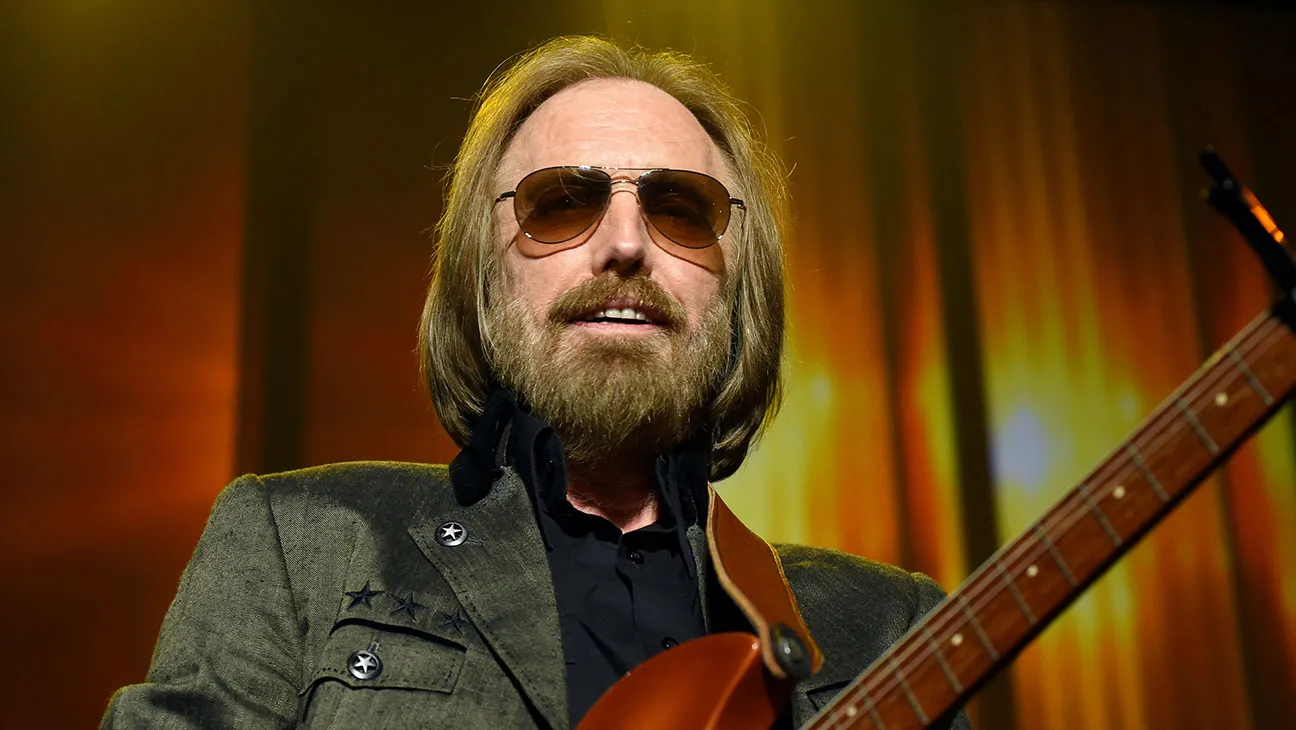
In the music industry, admiration and competition often exist side by side. Artists may respect each other’s work, draw inspiration from one another, and even share similar themes—but when it comes to chart positions, sales, and cultural dominance, there’s only room for one at the top. And in 1980, that reality hit Tom Petty harder than most.
At the time, Petty wasn’t just releasing another album—he was fighting for his career. After a bitter legal dispute with his record label, he took the bold step of filing for bankruptcy to regain control of his music. The result of that struggle was Damn the Torpedoes, an album that would go on to define his legacy. It was raw, defiant, and full of songs that resonated with anyone who felt pushed around or underestimated.
But just as Petty was gaining momentum, another force entered the scene.
Only a month after his album dropped, Pink Floyd released The Wall—a sprawling rock opera that quickly became a cultural phenomenon. With massive hits and an ambitious concept, the album shot straight to No. 1 on the Billboard charts and stayed there. That left Petty’s record stuck just beneath it, unable to break through despite its growing popularity.
Looking back, Petty later admitted, “I love Pink Floyd. But I hated them that year.”
It’s a quote that perfectly captures the emotional contradiction artists often face. His frustration wasn’t really about Pink Floyd as musicians—it was about circumstance. After everything he had gone through to release Damn the Torpedoes, coming so close to the top only to be blocked by a global phenomenon must have been incredibly difficult.
What makes the situation even more fascinating is how similar the two albums were beneath the surface.
Musically, they couldn’t be more different. Petty’s sound was rooted in straightforward, heartland rock, while Pink Floyd leaned into elaborate production and progressive storytelling. But thematically, both records explored the darker side of fame and the music industry.
Petty’s songs—like “Refugee” and “Don’t Do Me Like That”—captured a spirit of resistance. They were anthems for the underdog, shaped by his own battles with the system. He didn’t initially set out to make a statement about the industry, but his experiences naturally bled into the music.
Meanwhile, The Wall told the story of a rock star slowly isolating himself from the world, crushed under the pressures of fame and expectation. It was a more theatrical take on a similar idea: success comes with a cost, and the industry can be as damaging as it is rewarding.
In a way, both artists were telling different versions of the same story—one grounded and personal, the other grand and conceptual.
But the charts don’t reward nuance. They reward dominance.
And in 1980, there could only be one album at the top.
For Tom Petty, that meant settling for No. 2. For Pink Floyd, it meant cementing one of the most iconic releases in rock history. And for fans, it left behind a fascinating moment where two great albums—born from struggle, shaped by the industry, and driven by artistic conviction—collided at the peak of their power.
In the end, Petty’s “hatred” wasn’t really about rivalry. It was about timing, circumstance, and the harsh reality that even great art sometimes has to compete for its place in history.