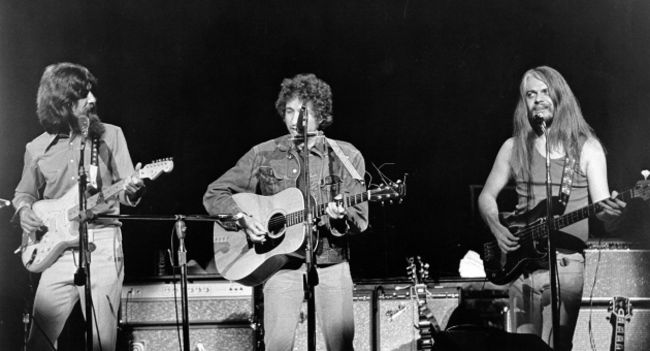
Bob Dylan’s relationship with his own songs is unlike any other musician’s relationship with their catalog — not because the songs are uniquely excellent, though many of them are, but because Dylan appears to genuinely believe that a song is not a fixed object but a living thing, capable of meaning different things in different performances and requiring different interpretations as the singer and the world change around it. This is either a profound artistic philosophy or the most elaborate rationalization for inconsistent performance ever constructed. The evidence suggests it is the first thing, though it occasionally produces the second.
The Never Ending Tour — which began in 1988 and which Dylan has been conducting, with intermissions, ever since — has produced thousands of performances of songs that his audiences know in specific recorded forms and that Dylan refuses to reproduce in those forms with any reliability. He changes the melodies. He changes the arrangements. He changes the tempos so dramatically that songs recognizable at any speed become, at Dylan’s chosen speed, almost abstract. He changes the words. This last is the one that produces the most agitated response from audiences and critics, and it is the one that Dylan has been most consistently unapologetic about.
1. Blowin’ in the Wind (1963)
Written in approximately twenty minutes in 1962 and performed, by reasonable estimate, more than two thousand times since. Dylan’s live versions across sixty years have taken the song through folk, rock, country, gospel, and arrangements that resist easy categorization. The melody — which is so familiar that most listeners have stopped hearing it as a choice — has been altered in live performance to the point where some versions are genuinely unrecognizable to people who know only the studio recording. Dylan has said the song means different things at different moments in history and that the performance should reflect the specific moment.
2. Like a Rolling Stone (1965)
The six-minute single that changed what a pop song was allowed to be — performed in radically different arrangements across six decades of touring, sometimes as an electric assault and sometimes as something quieter and more meditative that the studio version does not predict. Dylan has said he is still finding things in the song that he did not know were there when he wrote it, which is either a statement about the song’s depth or about the specific quality of Dylan’s attention to his own material in any given performance.
3. Tangled Up in Blue (1975)
The opening track of Blood on the Tracks — a song that Dylan has been changing the pronouns and the specific details of since the day it was released, as though the story it tells is still being worked out and the performance is the working-out. Some live versions are in first person. Some are in third. Some contain verses that do not appear on the studio recording. Dylan has said the song describes something that is still happening, which justifies the continued revision.
4. Simple Twist of Fate (1975)
Another Blood on the Tracks track — part of an album that Dylan described as about himself before denying it was about himself and then acknowledging it was about himself in terms that made the denial look tactical. The live versions of Simple Twist of Fate have been analyzed by Dylan scholars as containing the most extensive and the most personal revisions of any song in his catalog — changes that appear to reflect the specific circumstances of Dylan’s emotional life at the time of each performance rather than a fixed artistic interpretation.
5. It Ain’t Me Babe (1964)
Written as a breakup song — or a song about the specific inadequacy of any romantic partner in the face of another person’s complete requirements — and performed across sixty years with an interpretive freedom that has made it, in different live versions, a love song, a political statement, a meditation on artistic independence, and a simple folk tune depending on what Dylan decided it was on a specific night. He has said the song is about everyone and no one, which is the most accurate description of how he has performed it.
Dylan is in his eighties and still touring. The Never Ending Tour has no announced end date. The songs keep changing. The audiences who want the version they know keep being disappointed and the audiences who understand what Dylan is doing keep being surprised. The ratio of each to the other has not changed significantly since 1988.