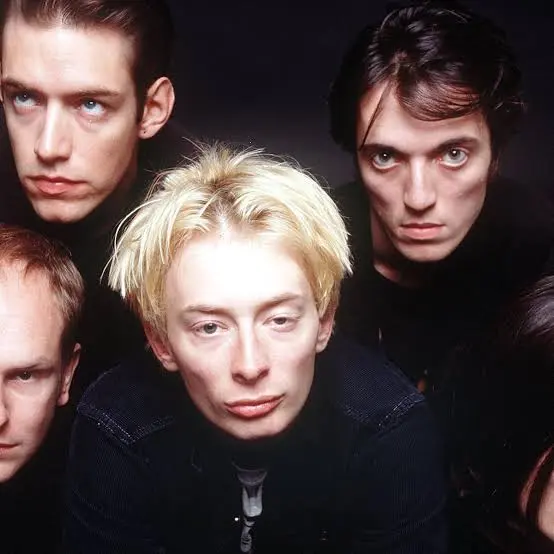
OK Computer was recorded between 1996 and 1997 in a series of locations that included a rented mansion in Bath called St. Catherine’s Court, where the band set up equipment in rooms that were not designed for recording and that produced accidental acoustic properties that became features rather than problems. The album that emerged from those sessions — released in May 1997 — is cited by more musicians as the most important album of its decade than any other single record, and has appeared at or near the top of almost every significant critical list compiled since its release. It is a record about technology, alienation, political exhaustion, and the specific anxiety of a world moving faster than the human beings living in it can comfortably process.
What is less prominently discussed is the state in which Thom Yorke was living during its creation — a period he has described in interviews, with increasing candor as the years have passed, as the closest he has come to a complete psychological collapse.
1. Exit Music (For a Film) (1997)
Written for the Baz Luhrmann Romeo + Juliet film before being included on OK Computer, the song is an escape narrative of sufficient darkness that Luhrmann used it over the film’s closing credits rather than within it — better suited to aftermath than to narrative. Yorke has said he wrote it quickly and in a state of emotional intensity he found difficult to regulate — that the song arrived from somewhere specific and immediate rather than from craft. He has said he could not have explained, at the time of writing it, where exactly it was from.
2. Let Down (1997)
One of the album’s most musically complex tracks — interlocking guitar parts, a vocal melody that moves against the rhythm in ways that create the sensation of floating — and one Yorke has described as the most honest account on the album of what he was actually experiencing during the recording period. The specific feeling of the song — of being surrounded by movement and activity and feeling completely disconnected from all of it — is something he has said was not metaphor during 1996 and 1997. It was a daily condition.
3. No Surprises (1997)
A lullaby about wanting to die — or about wanting to stop, wanting the noise to end, wanting the small quiet life that feels impossible within the machinery of modern existence. Yorke has said the song was written from inside a genuine desire for stillness that went beyond tiredness into something closer to the clinical territory he has discussed in later interviews about his mental health. The music — gentle, chiming, almost childlike — creates a deliberate dissonance with the content that Yorke has said was conscious: the most disturbing idea in the most comforting possible container.
4. Climbing Up the Walls (1997)
The most sonically disturbing track on an album of considerable sonic disturbance — strings arranged to sound like screaming, a vocal that begins controlled and ends in something that is not entirely performance. Yorke has been less specific about this song than about others in interviews, which is itself a form of specificity. The things he is least comfortable discussing directly he discusses through the music, and the music here is the least comfortable on the album.
5. The Tourist (1997)
The album’s final track — a song Yorke has described as advice to himself about slowing down, about the cost of moving through the world at the pace the preceding year had required. He has said The Tourist was the first song on the album where he felt he could see the end of the period he was in — that something in the writing of it suggested the possibility of coming through rather than simply being inside. The final chord resolves in a way that nothing else on the album resolves. It was deliberate. It was also, he has said, the truest thing about where he was by the time they finished recording.
OK Computer was followed by Kid A in 2000 — an album so different in sound and approach that many listeners felt abandoned, and that has since been recognized as equally significant to the album that preceded it. Yorke has said Kid A was made by someone who had come through the OK Computer period and was trying to find out who that person was. The finding took several years and several albums. The music made during the search is some of the most significant of the past thirty years.