In April 1979, Black Sabbath made one of the most agonizing decisions in their history: firing the man whose voice had defined them since 1968. Ozzy Osbourne wasn’t just an employee or a hired singer. He was a founder, one of four teenagers from Aston who built a sound that essentially invented heavy metal. And yet, eleven years later, his own bandmates decided they had no choice but to let him go.
The trouble had been building for months. After the underwhelming “Never Say Die!” tour, the band rented a house in Bel Air, California, hoping a change of scenery would jumpstart work on their next album. Instead, the sessions collapsed into chaos. Guitarist Tony Iommi later admitted that drugs were at the root of it, recalling that the whole band was using heavily, but Osbourne, in his words, was operating on an entirely different level. While Iommi, bassist Geezer Butler, and drummer Bill Ward could still function through the haze, Osbourne increasingly couldn’t.
The breaking point came when Osbourne simply vanished. For six weeks, nobody in the band knew where their singer was. Iommi recalled that nothing was getting accomplished, with Osbourne essentially falling apart in front of them. When new riffs were brought to the table for the next album, Osbourne reportedly showed little enthusiasm and refused to record vocals over them. A band already running on fumes after years of nonstop touring had finally hit a wall it couldn’t push through with its frontman in that condition.
The job of delivering the news fell to Ward, who had grown close to Osbourne over years of touring and partying together. By his own admission, Ward wasn’t proud of how he handled it, later describing himself as not exactly suited to being the one to fire a friend. On April 27, 1979, Osbourne was told he was out.
Osbourne never fully accepted the official explanation. In his memoir, he pointed out something hard to argue with: every member of Black Sabbath was deep into drugs and alcohol during that period, yet he was the only one who paid for it with his job. He felt the band he considered family had turned on him at his lowest point.
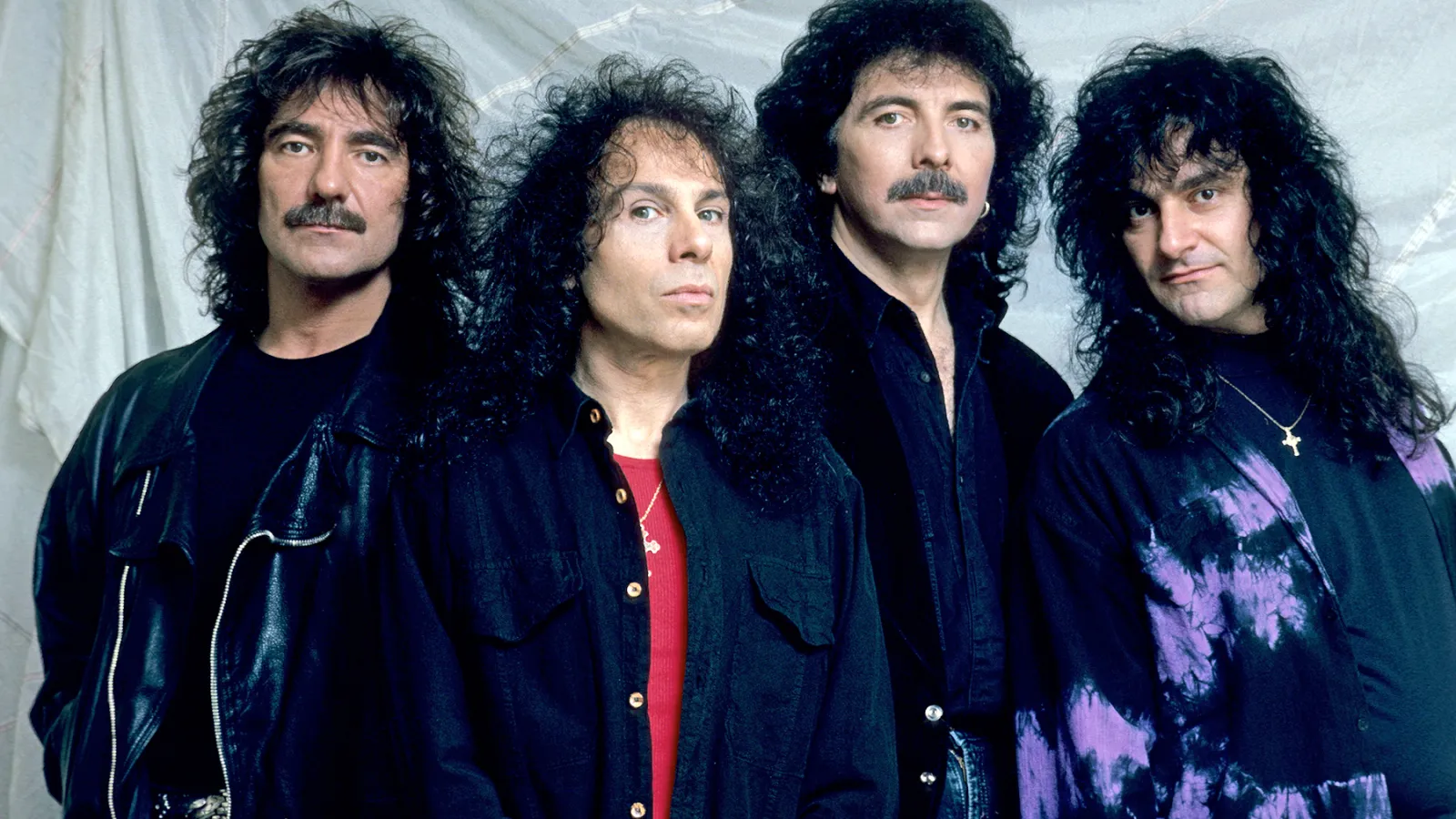
Whatever the full truth, the firing reshaped two careers. Black Sabbath brought in former Rainbow vocalist Ronnie James Dio, and the resulting album, “Heaven and Hell,” is now considered one of the finest records of their post-Ozzy era. Osbourne, meanwhile, spent months in a haze of disbelief and substance abuse before Sharon Arden — sent by her father, Sabbath’s manager Don Arden — stepped in to help rebuild his life and his career. What followed was “Blizzard of Ozz,” a new guitar prodigy named Randy Rhoads, and a solo run that would eventually make Osbourne bigger than the band that fired him.
Decades later, Osbourne and Black Sabbath reunited more than once, finally closing the loop with a farewell tour and one last album. But the events of that April in Los Angeles remain one of rock’s most painful what-ifs: a band built by four friends from working-class Birmingham, forced to choose between one of their own and their own survival.