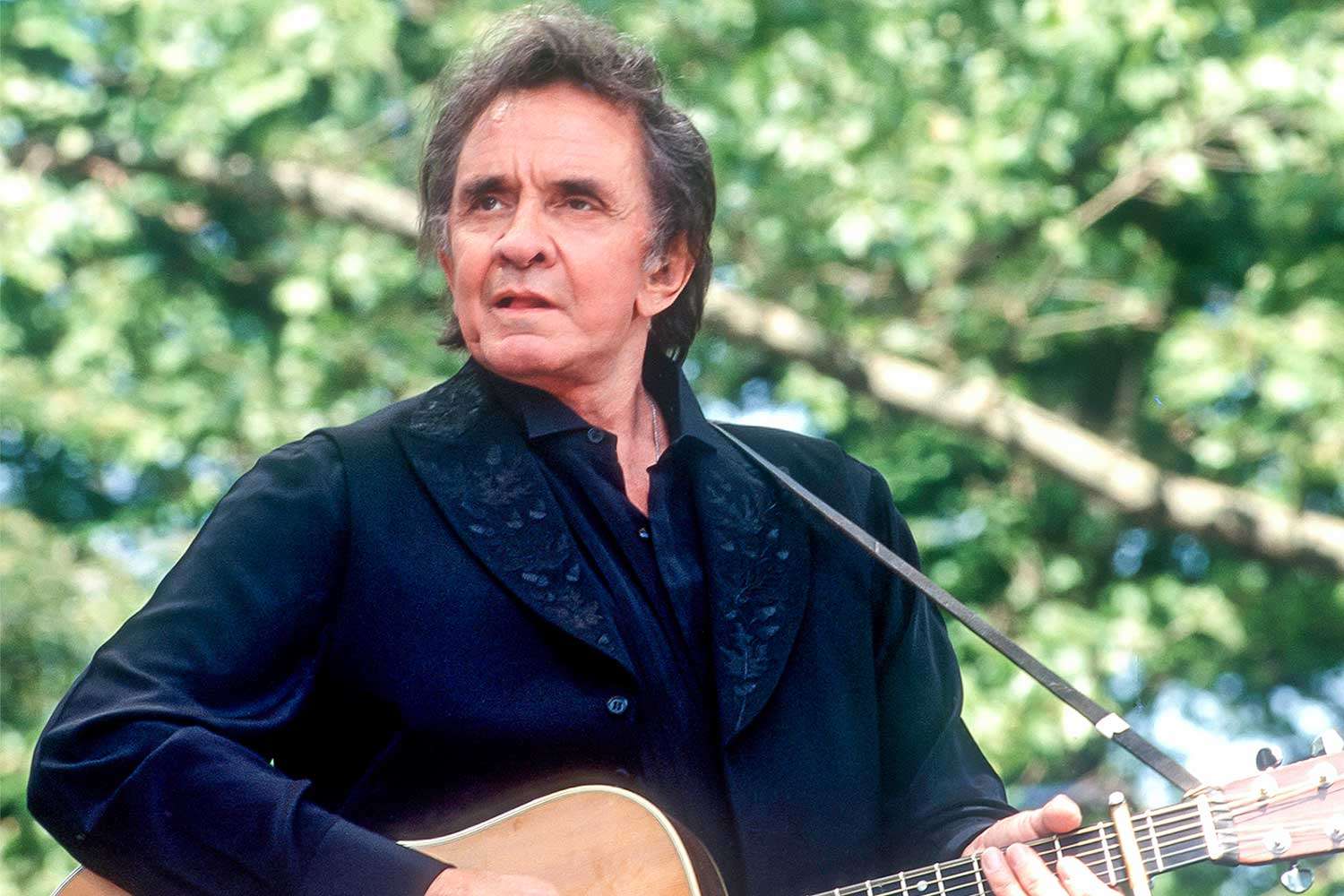
By the summer of 2003, Johnny Cash was a man recording against time and he knew it. June Carter Cash, his wife of thirty-five years and by most accounts the central organizing fact of his life, had died in May. Cash had been devastated in a way that went beyond grief into something closer to physiological — friends and family who saw him in the weeks following her death described a man who seemed, in some fundamental way, to be shutting down. He had lost weight he could not afford to lose. He moved slowly. He spoke about June with the past tense of someone who has not yet learned to use it.
He went into the studio anyway. Not because the record label required it. Not because the public expected it. Because making music was the only language he had ever been fully fluent in, and there were things he needed to say that could not be said any other way.
Rick Rubin, his producer since the American Recordings project in 1994, has described the sessions in the months after June’s death as the most emotionally intense recording experience of his career. Cash would arrive, sit with the guitar, and perform — simply and directly and without multiple takes — songs that he had chosen because they said what he needed to say. There was no discussion of production. There was no conversation about commercial potential. There was a man with a guitar and a voice that had lost its physical authority and gained something else entirely in its place: the specific weight of someone who is not performing grief but inhabiting it.
The song that became the final recording of his life — Like the 309, a wry, almost humorous train song about being shipped home in a coffin on train number 309 — was recorded with something approaching dark comedy. Cash reportedly smiled when he completed the vocal. The song’s lightness was deliberate — a man who had spent the summer in the deepest loss of his life choosing to exit with something that had, of all things, a joke in it.
Before pressing record on that final session, Cash said something to Rubin that has been quoted in multiple accounts of the period but that lands differently each time: he said he wanted to keep working as long as he could because the music was the only place he still felt close to June. That she had always been his first audience, his most honest critic, and that recording without her in the world was both unthinkable and the only thing left to do.
He died on September 12, 2003 — four months after June. He was 71. The doctors attributed the cause to complications from diabetes, but the people who were with him in those final months have been consistent in their private assessment: he died because she was gone and he had finished saying what he needed to say.
American V: A Hundred Highways was released posthumously in 2006. It went to number one. The man who had been dropped by his label as a commercial liability made a number one album after he was dead, about dying, while he was dying. That is either the most rock and roll thing in history or the most country thing, and the answer is probably that it is both.