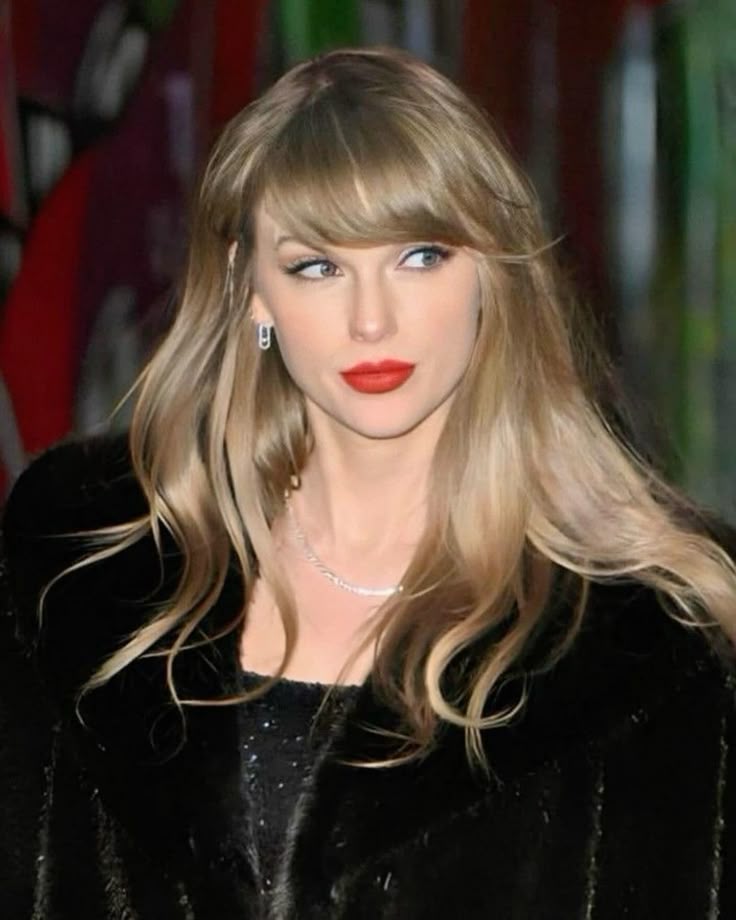
As artificial intelligence continues to reshape the music industry, Taylor Swift is taking steps to protect something deeply personal—her own voice and image.
In a move that highlights growing concerns across entertainment, Swift has reportedly filed trademark applications designed to safeguard how her likeness and sound can be used in the age of AI. The decision comes at a time when technology can convincingly replicate an artist’s voice, style, and even personality, raising difficult questions about ownership and consent.
For Swift, this isn’t just a technical issue—it’s about identity. Her voice is one of the most recognizable in modern music, and her image is closely tied to a brand she has spent years carefully building. By seeking stronger legal protection, she’s drawing a clear line: her artistry isn’t something that can be copied, repackaged, or sold without her approval.
The rise of AI-generated music has already sparked controversy. In recent years, fake songs mimicking major artists have circulated online, sometimes fooling listeners into believing they were real. While some see this as creative experimentation, others—especially the artists themselves—view it as a serious threat. It blurs the boundary between inspiration and imitation, and in some cases, it risks damaging reputations or spreading misleading content.
Swift’s approach reflects her long-standing commitment to controlling her own work. From re-recording her albums to regain ownership of her masters to carefully managing how her music is distributed, she has consistently pushed for artist rights. This latest move is a natural extension of that philosophy, applied to a rapidly evolving digital landscape.
What makes this moment especially significant is its potential ripple effect. When one of the world’s most influential musicians takes a stand, others tend to follow. Legal experts believe actions like Swift’s could help shape how intellectual property laws adapt to AI, forcing industries to rethink how they define originality and ownership.
At its core, the issue goes beyond one artist. It touches on the future of creativity itself. If technology can replicate a voice perfectly, who truly owns it? And how do you protect something as intangible as a sound or a persona?
By filing these trademarks, Swift isn’t just protecting her brand—she’s helping set boundaries in a space where few currently exist. In doing so, she’s once again positioning herself not just as a performer, but as a powerful advocate for artists navigating an uncertain future.