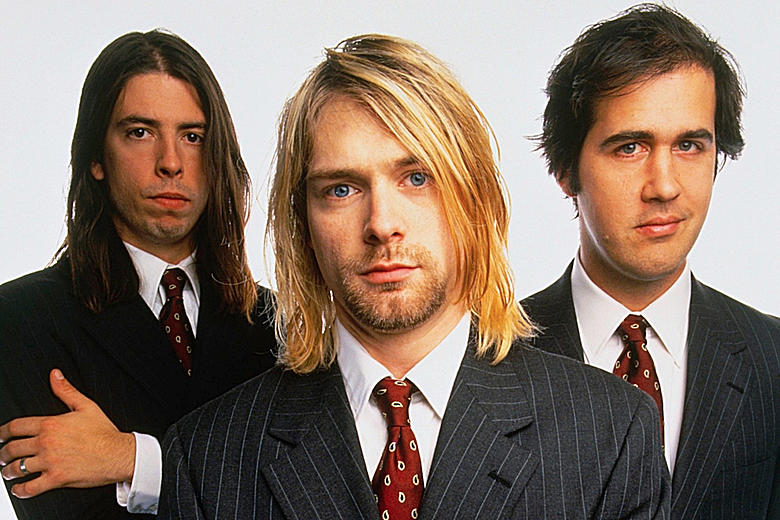
Before they changed the course of rock history with Nevermind, Nirvana was a band on the verge of falling apart.
It’s easy to look back now and see them as unstoppable—a raw, explosive force that redefined the sound of the early ’90s. But just before recording the album that would make them global icons, everything was uncertain. Tensions were high, the lineup wasn’t stable, and the future of the band was anything but guaranteed.
A Band in Flux
At the center of the chaos was Kurt Cobain—a brilliant but deeply conflicted artist. Cobain was never fully comfortable with success, even in its earliest stages. He struggled with the pressure of expectations, the direction of the band, and his own personal battles.
Meanwhile, Nirvana’s rhythm section was unstable. The band had gone through multiple drummers, and that lack of consistency made it hard to build momentum. Each lineup change added friction, making rehearsals and recording plans feel fragile.
Financial Pressure and Label Expectations
After signing with a major label, the stakes suddenly skyrocketed. What was once an underground project fueled by passion became a professional commitment with expectations attached.
The band was under pressure to deliver something bigger, cleaner, and more commercially viable than their debut. That didn’t sit easily with Cobain, who feared losing the raw authenticity that defined their sound. This creative tension created a push-and-pull dynamic within the group—between staying true to their roots and stepping into a wider spotlight.
Creative Differences and Doubt
Even musically, there were disagreements. Cobain had a clear vision—melody wrapped in distortion, pop sensibility buried under noise—but translating that into a cohesive band effort wasn’t always smooth.
There were moments where it seemed like the band might not make it to the recording studio at all. Doubt crept in: Were they ready? Were they even still the same band?
The Turning Point
Everything began to shift when drummer Dave Grohl entered the picture. His powerful, precise playing gave Nirvana the backbone they had been missing. More importantly, his chemistry with Cobain and Krist Novoselic brought a sense of unity that had been lacking.
With a solid lineup finally in place, the band found new energy. The uncertainty didn’t disappear—but it transformed into urgency.
From Collapse to Breakthrough
Instead of breaking up, Nirvana channeled all that tension—frustration, doubt, pressure—into their music. That emotional intensity became the heartbeat of Nevermind.
When the album was finally recorded and released, it didn’t just succeed—it exploded. Songs like “Smells Like Teen Spirit” captured something raw and real, connecting with a generation in a way no one could have predicted.
The Irony of Success
What makes this story so compelling is the contrast: a band so close to collapse ended up creating one of the most influential albums of all time.
But in many ways, that near-breakup was essential. Without the instability, the pressure, and the emotional weight, Nevermind might not have had the same impact. The chaos didn’t destroy Nirvana—it defined them.