There’s always been a tension in popular music between visibility and mystery—between artists who shine under the spotlight and those who quietly reshape the landscape from the shadows. Few contrasts capture this better than the divide between Nick Drake and Elton John.
Drake was never meant for spectacle. The idea of him appearing on stage in a flamboyant outfit feels almost absurd. In truth, he was rarely on stage at all. His legacy existed entirely within his recordings—fragile, intimate, and hauntingly personal. He became one of the most enigmatic figures in modern music, a songwriter whose presence was barely felt in public, yet deeply embedded in the hearts of listeners.
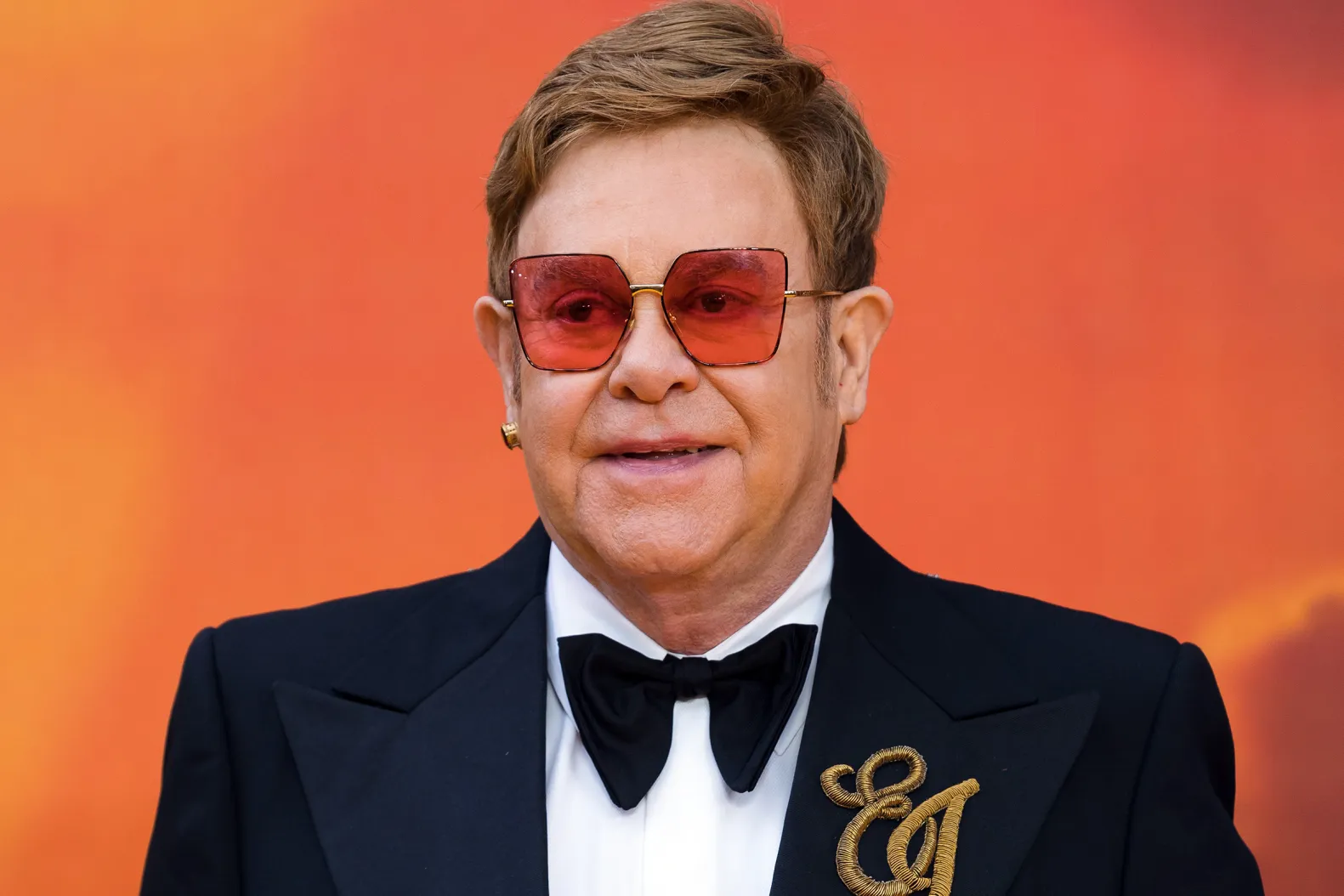
Elton John, on the other hand, built his career on openness. His personality was as vivid as his performances—colorful, expressive, and unapologetically extroverted. Music, for Elton, wasn’t just art; it was liberation. It helped him break free from the social anxiety that defined much of his early life. Where Drake withdrew inward, Elton expanded outward—and both approaches, in their own way, worked.
Yet even within the industry, there was a quiet reverence—almost envy—for Drake.
Albums like Bryter Layter (1971) and Pink Moon (1972) didn’t rely on marketing campaigns or commercial hype. They arrived softly and still managed to redefine songwriting standards. There was something unmistakable about Drake’s work—an emotional precision and honesty that felt impossible to replicate.
At the same time, Elton was laying the groundwork for his own legendary career with Elton John and Honky Château. These records were impactful, even groundbreaking in their own right, but they operated in a different space—one more aligned with performance, accessibility, and connection at scale. Watching Drake from afar, Elton couldn’t help but admire the quiet brilliance. The question lingered: how do you balance innovation with mystery?
The answer, as it turned out, was simple—you don’t copy it.
Unfortunately, that clarity didn’t extend to everyone. Record labels, always alert to the next wave, saw an opportunity during the rising folk movement—a cultural ripple that followed Bob Dylan’s seismic influence in the 1960s. To them, Drake’s authenticity looked like something that could be repackaged, polished, and sold.
Their solution? Have Elton John reinterpret Drake’s music in a more commercial, chart-friendly style.
It didn’t work.
Elton himself later reflected on the experience candidly. While he appreciated the brilliance of Drake’s songwriting, he understood something the industry overlooked: once a Nick Drake song exists, it doesn’t need improving. Trying to reshape it for mass appeal wasn’t just unnecessary—it was futile.
And that failure reveals something bigger about the music industry.
The urge to commercialize authenticity isn’t new. It’s cyclical. Every generation sees labels attempting to bottle cultural movements and sell them back to the public. But artists like Nick Drake resist that process entirely. His music wasn’t a trend—it was a deeply personal expression that couldn’t be separated from the man himself.
That’s why it couldn’t be replicated.
Not by producers. Not by labels. Not even by someone as talented and versatile as Elton John.
In the end, Drake’s influence didn’t come from leading a movement—it came from quietly standing apart from one. He didn’t define the folk wave; he transcended it. And in doing so, he became something far more lasting than a commercial success: a singular voice in music history, one that still echoes precisely because it was never designed to fit in.