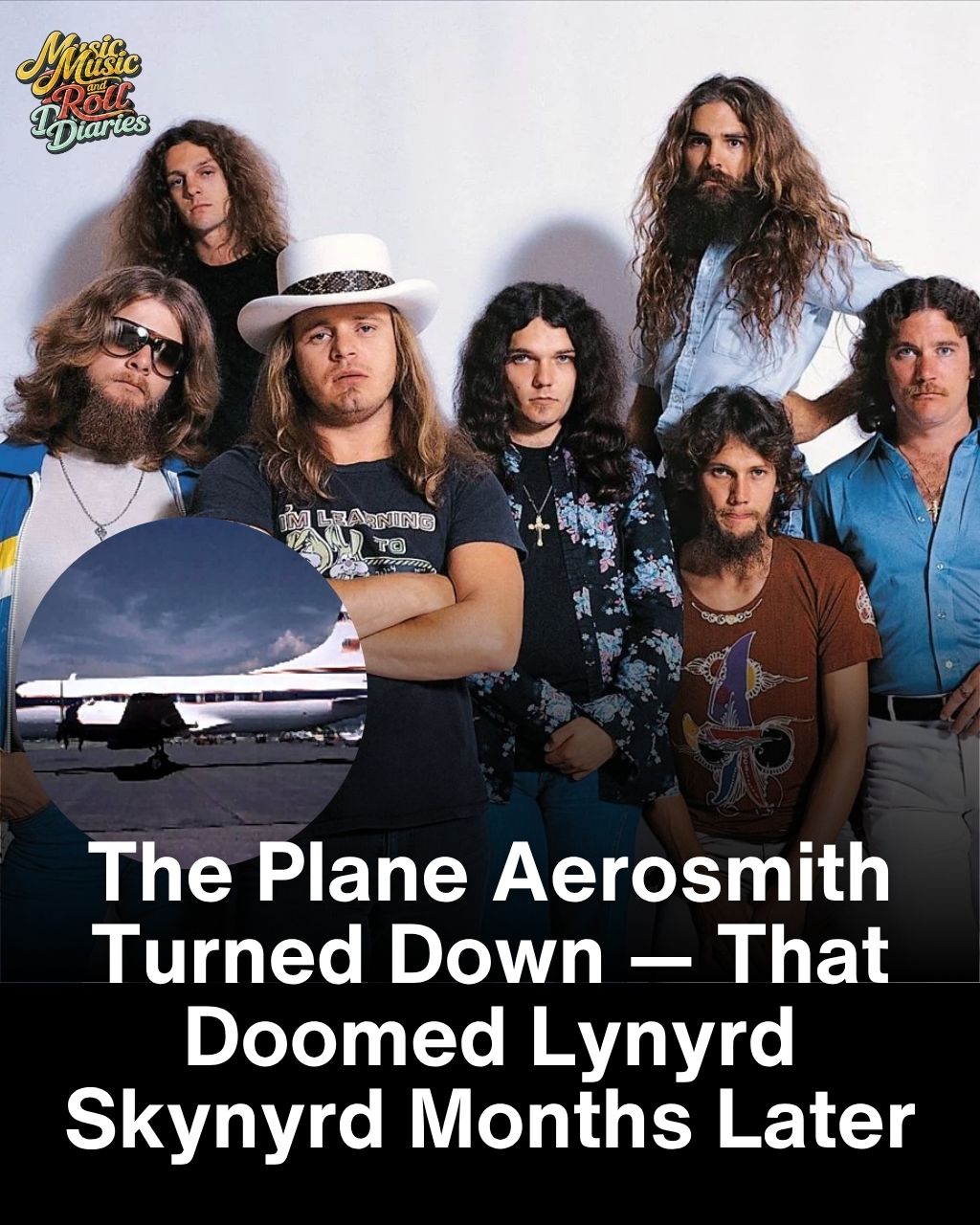
Few songs carry as much built-in concert folklore as Lynyrd Skynyrd’s “Free Bird.” Beyond being a genuine classic rock staple, the song has become a cultural shorthand — shouted as a joking request at concerts of every genre imaginable — but its origins and original meaning are far more sincere than the running gag it inspired.
Written primarily by guitarist Allen Collins and vocalist Ronnie Van Zant, “Free Bird” first appeared on Lynyrd Skynyrd’s 1973 debut album, “(Pronounced ‘Lĕh-‘nérd ‘Skin-‘nérd).” Collins reportedly composed the song’s chord progression years before Van Zant added lyrics, and early versions of the tune sat unfinished for some time before the band found the right words to match its emotional weight.
Lyrically, the song deals with themes of independence and the tension between commitment and freedom, with Van Zant’s narrator explaining to a partner that he can’t be tied down despite caring for her deeply. While the exact inspiration behind the lyrics has been described somewhat vaguely by band members over the years, the sentiment of a restless spirit unable to settle down resonated widely with audiences.
Musically, “Free Bird” is best known for its extended instrumental coda, a multi-minute guitar workout featuring layered slide guitar and dueling lead lines that became a showcase for the band’s three-guitar lineup. In concert, the song regularly stretched past the ten-minute mark, with the instrumental section growing more elaborate and improvisational with each performance.
The song’s status as a shouted concert request grew somewhat organically in the years following Lynyrd Skynyrd’s rise to fame, eventually becoming an inside joke understood across the entire music industry — fans yelling “Free Bird!” between songs at completely unrelated concerts, regardless of genre, simply as a bit of good-natured heckling.
That lighthearted legacy exists alongside a much heavier one. In October 1977, a plane carrying members of Lynyrd Skynyrd crashed in Mississippi, killing Ronnie Van Zant, guitarist Steve Gaines, and several others just days after the release of the band’s album “Street Survivors.” “Free Bird” took on new, somber significance in the aftermath, frequently performed by surviving band members and later iterations of the group as a tribute to Van Zant, sometimes with a spotlight shining on an empty microphone stand in his memory.
That duality — a song simultaneously treated as a punchline and as a genuine memorial — is part of what has kept “Free Bird” so deeply embedded in rock culture for over five decades. Few songs manage to hold both weight and humor so completely, and few bands have had their legacy so thoroughly shaped by a single track the way Lynyrd Skynyrd’s has.