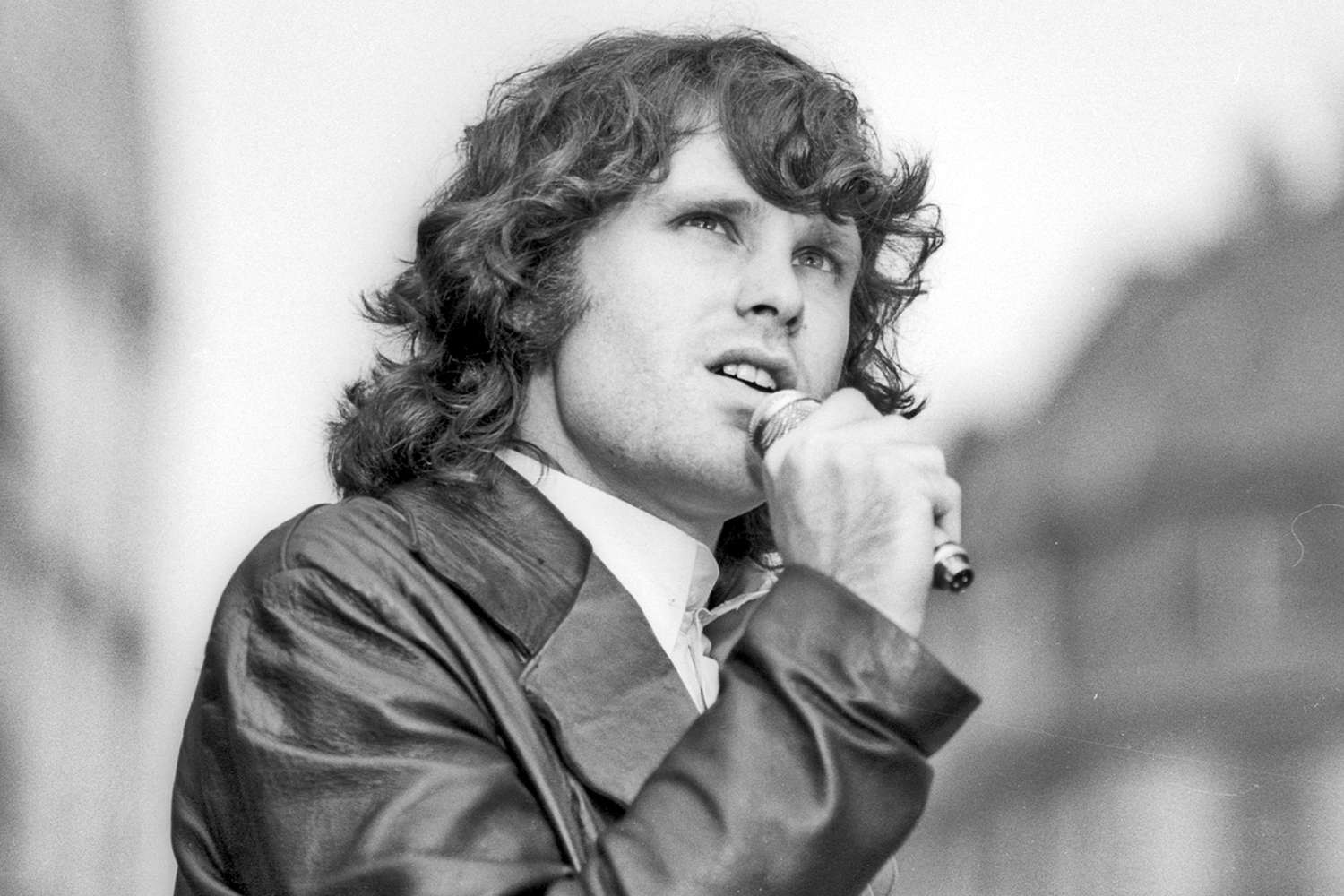
Ray Manzarek spent fifty years as the keeper of the Doors flame — the surviving member most willing to discuss the band’s history in specific detail, most committed to ensuring that the full scope of what the band had attempted was understood by an audience that sometimes reduced them to Light My Fire and Morrison’s leather trousers. His interviews, conducted across five decades with journalists who ranged from deeply informed to embarrassingly underprepared, contain the most complete account available of what the Doors actually were and what Morrison actually intended — which was, in Manzarek’s consistent telling, considerably more than what was commercially released and considerably more dangerous than the public record suggests.
1. The End (1967)
The studio recording is eleven minutes and forty-three seconds and contains, among other things, a spoken section drawn from the Oedipus myth in which Morrison describes killing his father and having sex with his mother. This was the version released. The live versions — some of which Manzarek described in interviews as going substantially further, both in duration and in the specific content of Morrison’s improvisations — were not preserved in releasable form, partly because the recording technology available at most venues was insufficient and partly because, Manzarek has suggested, some of what was said in those extended performances was genuinely not something the band believed they could make public in 1967. The studio version was already banned by several radio stations. The live versions apparently made the studio version look cautious.
2. When the Music’s Over (1967)
A thirteen-minute album closer that Manzarek considered the fullest expression of what the band could do in extended improvisational form. The studio recording is itself substantial. He has described rehearsal versions and early studio attempts that pushed the political content of the lyric — particularly its anti-Vietnam War and pro-ecological themes — further than the released version. The label’s concern was not with the length but with specific lines that they felt crossed from commentary into incitement, and those lines were softened between rehearsal and final recording.
3. Horse Latitudes (1967)
The released version of this spoken-word piece — Morrison’s account of sailors throwing horses overboard during the becalming in the Sargasso Sea — is brief and contained, a prose poem set against the band’s atonal improvisation. Manzarek has said the earliest versions of this piece, performed at small club shows before the band was signed, were longer, more graphic, and more deliberately confrontational than what eventually appeared on Strange Days. He has said Morrison was pushing the audience’s tolerance for discomfort with specific, deliberate intent, and that what was recorded represented a compromise between Morrison’s vision and what the label believed would not result in immediate banning.
4. The Soft Parade (1969)
The title track of the album that divided critics most sharply — some hearing it as ambitious orchestral expansion, others as commercial overreach. Manzarek has said in interviews that the original conception of the song was more politically explicit than the released version, and that the brass and string arrangements were partly a way of making material safer for commercial release by surrounding it with a grandeur that distracted from the specific content of certain passages. He considered the released version a compromise he ultimately accepted and partially regretted.
5. An American Prayer (1978)
Released seven years after Morrison’s death, compiled from recordings Morrison had made of himself reading his poetry in December 1970 — seven months before his death — set to new music by the surviving band members. Manzarek has described the process of going through Morrison’s recordings as one of the most emotionally difficult experiences of his life, and has noted that what was released represented only a portion of what was recorded. The material not included, he suggested in interviews, ranged from incomplete to deliberately too provocative for commercial release even in 1978, let alone in Morrison’s own lifetime.
Manzarek died in 2013. He took with him the most complete account of what the Doors attempted and what they held back. What remains is a released catalog that was already, by the standards of its time, further than most bands were willing to go — and a consistent suggestion from the man who was there that the full picture was larger and darker than what the public received.