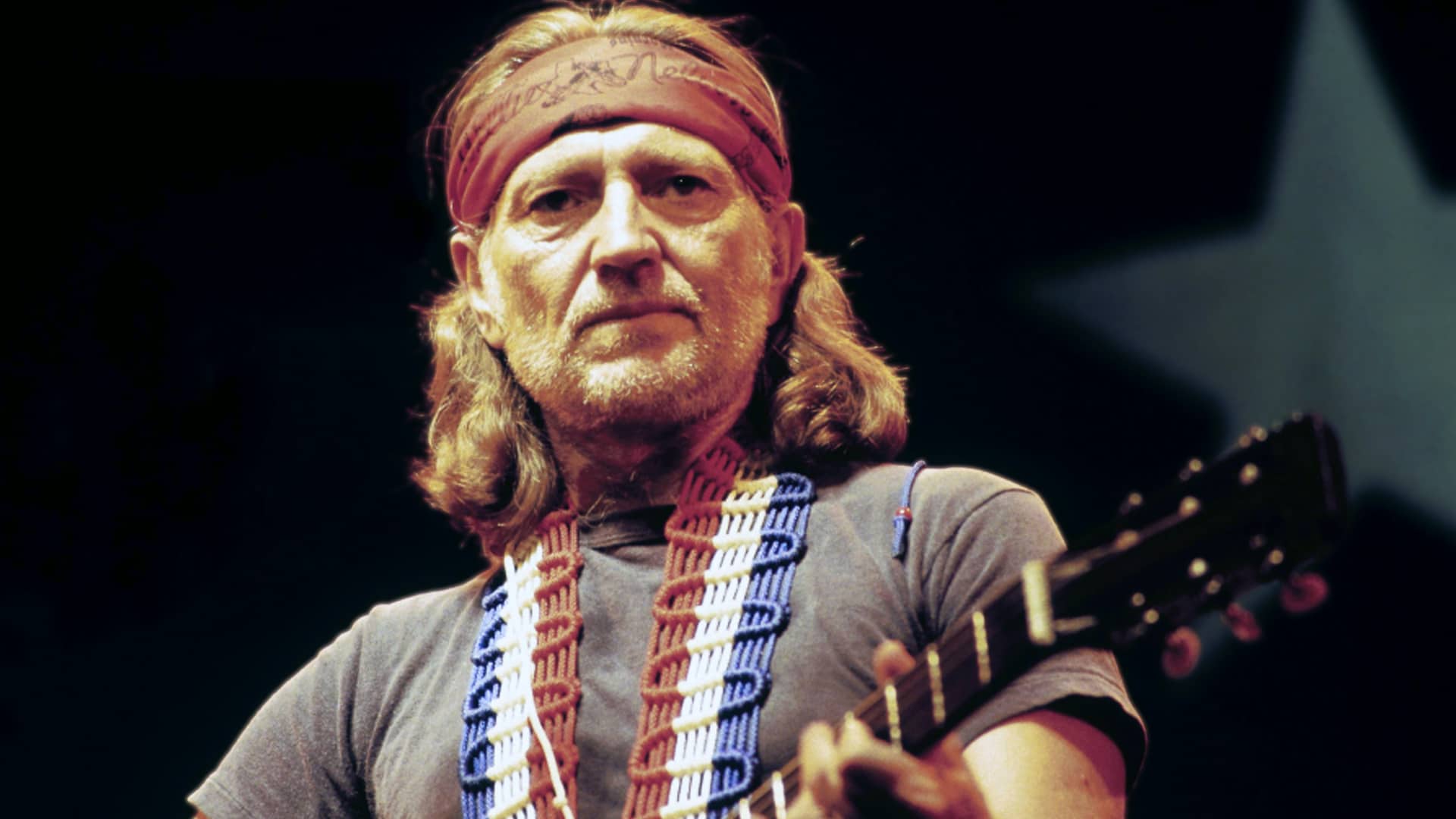
Even legends reach a breaking point.
In 1972, Willie Nelson—still years away from becoming the long-haired outlaw icon of country music—came dangerously close to walking away for good. He was exhausted by the Nashville machine, worn down by years of being overlooked, and frustrated by constant pressure to reshape his sound into something more “radio-friendly.” For Willie, that meant sanding off the very edges that made him who he was. Instead of disappearing, though, he did something far more radical: he reinvented himself and, in the process, rewrote the rules of country music.
At the time, Nashville was built on polish and conformity. Music Row favored smooth vocals, lush arrangements, and artists who fit neatly into a predetermined mold. Willie never did. RCA and producer Chet Atkins tried to guide him toward a more conventional sound, but it clashed with his instincts. The results were disappointing sales, growing resentment, and a feeling that the industry simply did not know what to do with him. Then came the personal blows. His house burned down. His marriage fell apart. And his label rejected Yesterday’s Wine, the most intimate and spiritually honest album he had ever made. Enough was enough. Willie quit—at least in theory.
He packed up and left Tennessee, heading for Austin, Texas, with his guitar, his new wife Connie, and a dream that felt badly bruised but not quite dead. What he found there was nothing like Nashville. Austin was loose, loud, and fueled by counterculture. Its music scene blurred the lines between hippies and rednecks, rock fans and country traditionalists. When Willie took the stage at places like the Armadillo World Headquarters, something unexpected happened: people listened. They didn’t want him polished or reined in. They wanted him honest.
That Austin audience did not care about record labels, radio formats, or industry expectations. They wanted real songs sung by someone who believed every word. And Willie Nelson had plenty to say. In that freedom, the outlaw spirit was born—not as a marketing concept, but as a necessity. Willie didn’t just come back to music. He came back as himself, and country music was never the same.