
When “Trigger” Is Done, Willie Nelson Is Done
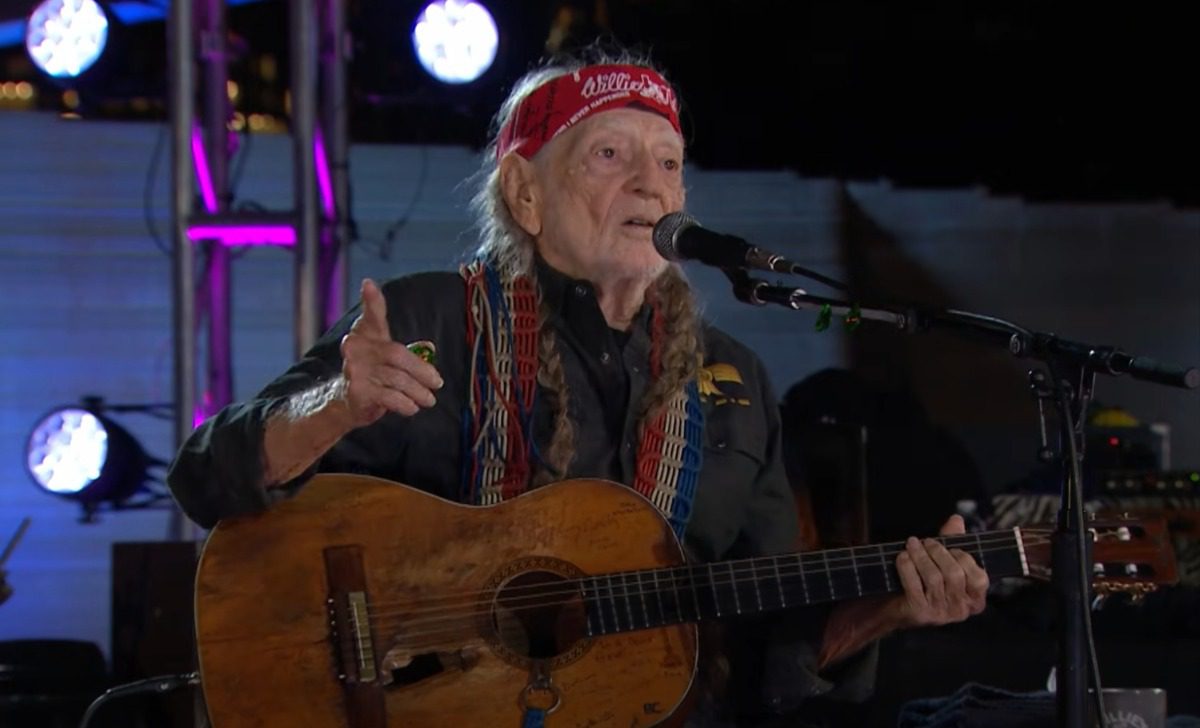
There may be no instrument in popular music more instantly recognizable than Willie Nelson’s weathered Martin guitar, Trigger. For more than half a century, the living country legend has played the same six-string, carrying it with him since 1969. The story of how he came to own it—and what it has come to represent—has only deepened the mythology surrounding Willie Nelson.
In the late 1960s, when Nelson was still finding his footing in the industry, his primary guitar was destroyed by a drunk and disorderly fan during a show at John T. Floore’s Country Store in Helotes, Texas. Suddenly without an instrument, Willie needed something to walk onstage with. Willie Nelson without a guitar is like a song without a chorus—it might work, but the magic is missing.
That’s when he heard about a nearby Martin guitar for sale, priced at $750. By today’s standards, that might sound reasonable, but in 1969 it was the equivalent of more than $5,500. It was a steep gamble for an artist still building his career, but Nelson took it anyway—one of the most consequential decisions of his life.
Spread over the 56 years since, that purchase comes out to roughly $13 per year. And that figure doesn’t begin to account for the songs written, the records made, or the generations of fans reached with Trigger in Willie’s hands.
The day he bought the guitar, Nelson named it after Roy Rogers’ famous horse, Trigger. From that moment on, the instrument rarely left his side. When a house fire later destroyed nearly everything he owned, Willie famously ran back inside to save two things: his guitar and a stash of marijuana. Trigger survived—and so did the bond between man and instrument.
Today, Willie Nelson and Trigger are nearly inseparable in the public imagination. It is one of the most famous guitars in music history, and fellow musicians understand its significance. Billy Strings has spoken about how special it was to play a song on Trigger, while jazz guitarist Bill Frisell once told The New Yorker that the real magic lies not in the guitar itself, but in Willie’s touch.
“You can hear the sound of his voice in what he’s playing,” Frisell said. “If I gave him one of my guitars, it would sound like Willie Nelson. It wouldn’t sound like me.”
Guitars are not built to last forever. Even high-end instruments typically endure 20 to 30 years with regular play, while only the very best survive half a century. Trigger is now 56 years old, visibly worn and deeply scarred from decades of use. Still, Nelson takes meticulous care of it—and at 92 years old, he has made it clear that when the guitar finally gives out, his music career likely will too.
“When Trigger goes, I’ll quit,” Willie has said.
The thought of Trigger retiring is difficult enough. The idea of Willie Nelson stepping away from music feels even heavier. Then again, guitars can often be repaired—perhaps that’s Willie’s way of saying he plans to keep playing as long as he possibly can.
What’s certain is that few relationships in music history run as deep as the one between Willie Nelson and Trigger. They’ve shared six decades of songs, stages, and stories, and together they’ve helped shape the sound of American music. Here’s hoping that partnership continues for many years still to come.