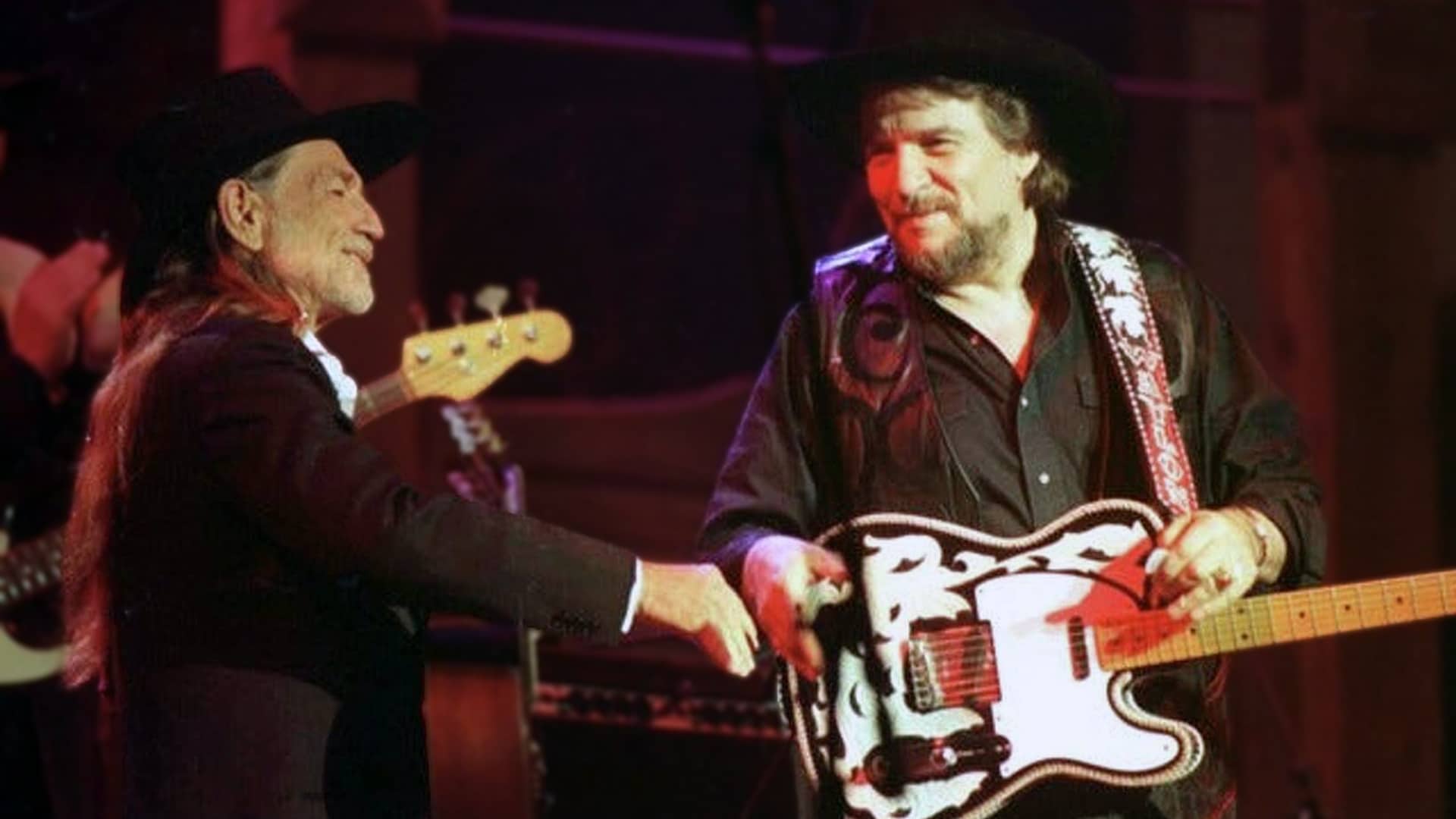
The Day Waylon Jennings Protected a Masterpiece
Some albums aren’t built with big budgets or polished layers of production. They’re built with guts, instinct, and the kind of stubbornness only true outlaws carry.
That was Willie Nelson in early 1975.
He walked into Columbia Records with Red Headed Stranger, a quiet, bare-bones concept album recorded for about $4,000 in a small Texas studio. It was almost shockingly minimal: Willie, Trigger, a little piano, simple drums. No lush strings. No big Nashville arrangements. Just the heartbeat of a story told in whispers.
To Columbia president Bruce Lundvall, that could only mean one thing: a demo. Something unfinished. Something that needed to be handed off to Nashville producer Billy Sherrill for the usual glossy makeover.
But Willie hadn’t brought in a demo. He’d brought in a vision.
And Waylon Jennings wasn’t about to let anyone ruin it.
Waylon Steps In — And Comes Out Swinging
Waylon happened to be in New York with Willie that day, already fighting his own battles against the overproduced Nashville Sound. He and Willie were brothers in the outlaw movement, both represented by Neil Reshen and both determined to do things their way.
So when Lundvall insisted the album wasn’t ready, Waylon’s patience evaporated.
He told Lundvall to turn off the tape. He told him the album was perfect as-is. And he told him—loudly—that if Columbia didn’t back off, he’d walk out not just as Willie’s defender but as Waylon Jennings himself.
Then came the line that would echo through country-music folklore:
“You’re a tin-eared, tone-deaf son of a bitch.”
With that, Waylon stormed out. But not before he made one thing crystal clear: what the label heard as “unfinished” was exactly what fans at the 1972 Dripping Springs Reunion had fallen in love with—authentic, unvarnished country music.
This wasn’t a rough draft.
This was the revolution.
Columbia Backs Down — and History Is Made
Miraculously, Columbia listened.
Red Headed Stranger was released exactly the way Willie recorded it—whisper-soft, haunting, and empty in all the right places. That “emptiness” created one of the most iconic atmospheres in country music.
Then the world responded.
“Blue Eyes Crying in the Rain” became Willie’s first No. 1 hit as a performer.
The album topped the charts.
It went double platinum.
Eventually, it was preserved by the Library of Congress for its cultural importance.
And six months later, Bruce Lundvall walked into Waylon’s office with a gold record and a handwritten note that said:
“This is from that tin-eared, tone-deaf son of a bitch.
You were right.
Here is your album.”
Why Waylon’s Fight Still Matters
Waylon didn’t just protect Willie’s album.
He protected the soul of country music.
Nashville executives couldn’t grasp that sometimes simplicity is the point. Red Headed Stranger needed to feel like a lonely Texas night, not a polished studio project. Waylon understood Willie’s vision, trusted the art, and refused to let corporate hands smother it.
Because of that choice, the outlaw movement didn’t just survive—it exploded.
Without Red Headed Stranger, country music might have taken a very different path.
Without Waylon Jennings, the album might never have seen the light of day.
The Legacy of a True Outlaw
So here’s to Waylon Jennings—the man who wouldn’t bow to the suits, who stood up for his friend, and who defended the raw spirit of country music when it needed him most.
Because of him, the world didn’t just hear Red Headed Stranger.
We felt it.
We rode with it.
And we’re still riding with it today.
https://www.facebook.com/photo?fbid=122199386510298451&set=a.122104377704298451