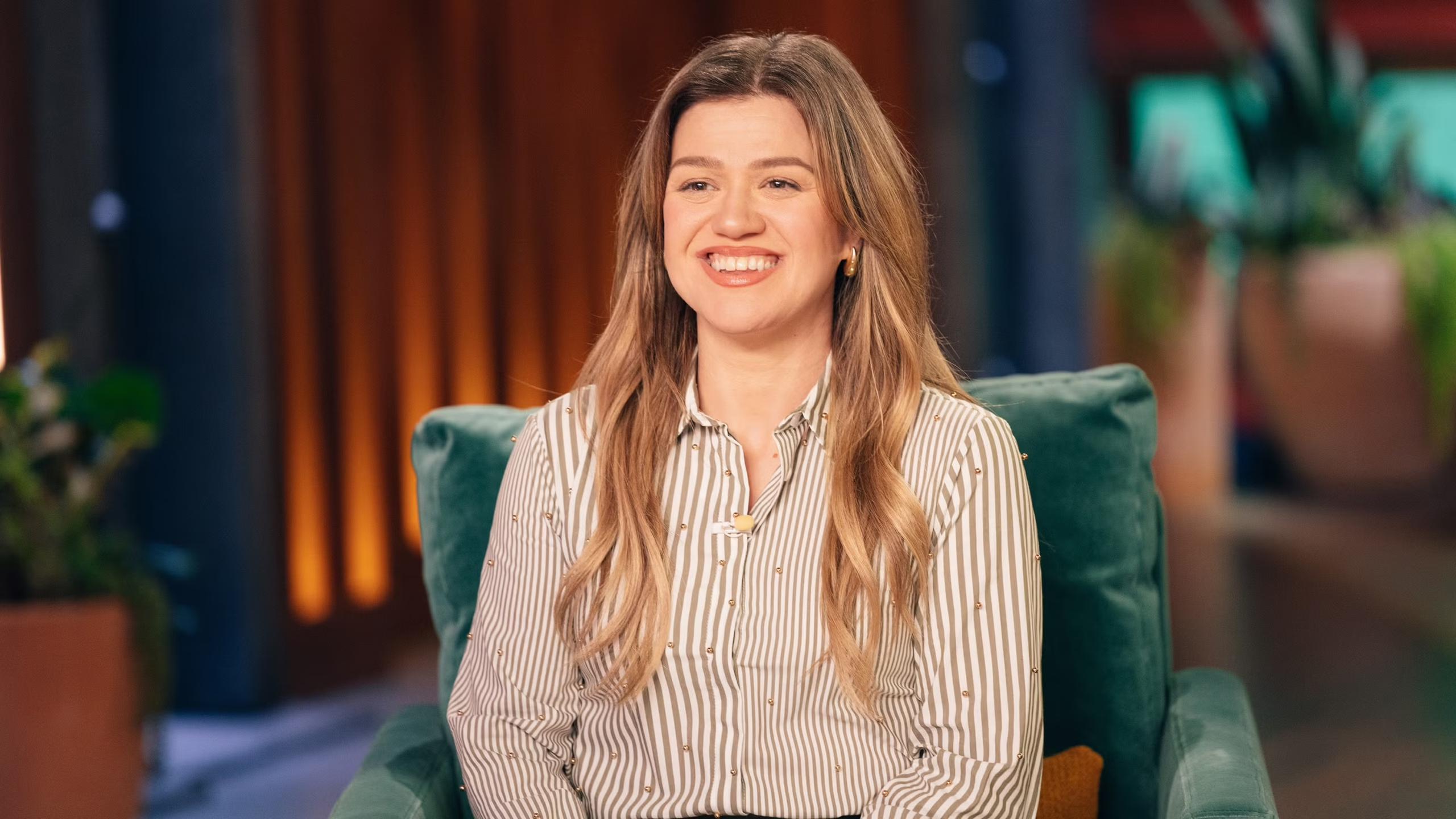
In the fast-moving world of modern pop, genuine moments of artistic connection are rare. One arrived unexpectedly when Kelly Clarkson covered “Good Luck, Babe!” by Chappell Roan during the opening Kellyoke segment of The Kelly Clarkson Show. What began as a routine cover quickly became a viral cultural moment — and a powerful exchange between two generations of pop storytellers.
From Dancefloor Anthem to Emotional Confession
Roan’s original track is a glittering, ’80s-inspired synth-pop anthem that pairs euphoric production with lyrics about denial, compulsory heterosexuality, and emotional self-erasure. It invites listeners to dance while quietly breaking their hearts.
Clarkson’s late-2024 rendition, performed in a stripped-down arrangement alongside Miranda Lambert, removed the glossy production entirely. The acoustic setting exposed the emotional core of the lyrics, turning the song into something raw and confrontational.
Known for her technical command, Clarkson navigated the song’s demanding octave leaps with ease, shifting between a resonant chest belt and a delicate head voice. The result reframed the track from pop spectacle into lived experience.
A Viral Moment and a Thoughtful Response
The performance quickly spread online and eventually reached Roan, who responded not with spectacle but with quiet admiration. She later said Clarkson had “found the ache” beneath the song’s polished surface — a recognition of the pain embedded in the original.
Fans also praised Clarkson for preserving the song’s pronouns and narrative perspective, keeping its queer identity intact while reinterpreting its sound.
The “Kellyoke Effect”
The impact was measurable. Following the cover, interest in Roan’s catalog surged, pushing her debut album, The Rise and Fall of a Midwest Princess, back into the Billboard 200’s upper tier nearly a year after release and amplifying her awards-season momentum.
By dismantling “Good Luck, Babe!” and rebuilding it as a quiet reckoning, Clarkson demonstrated the durability of a great song across styles. In turn, Roan’s understated response reinforced her growing reputation as an artist admired not just by fans, but by her peers.