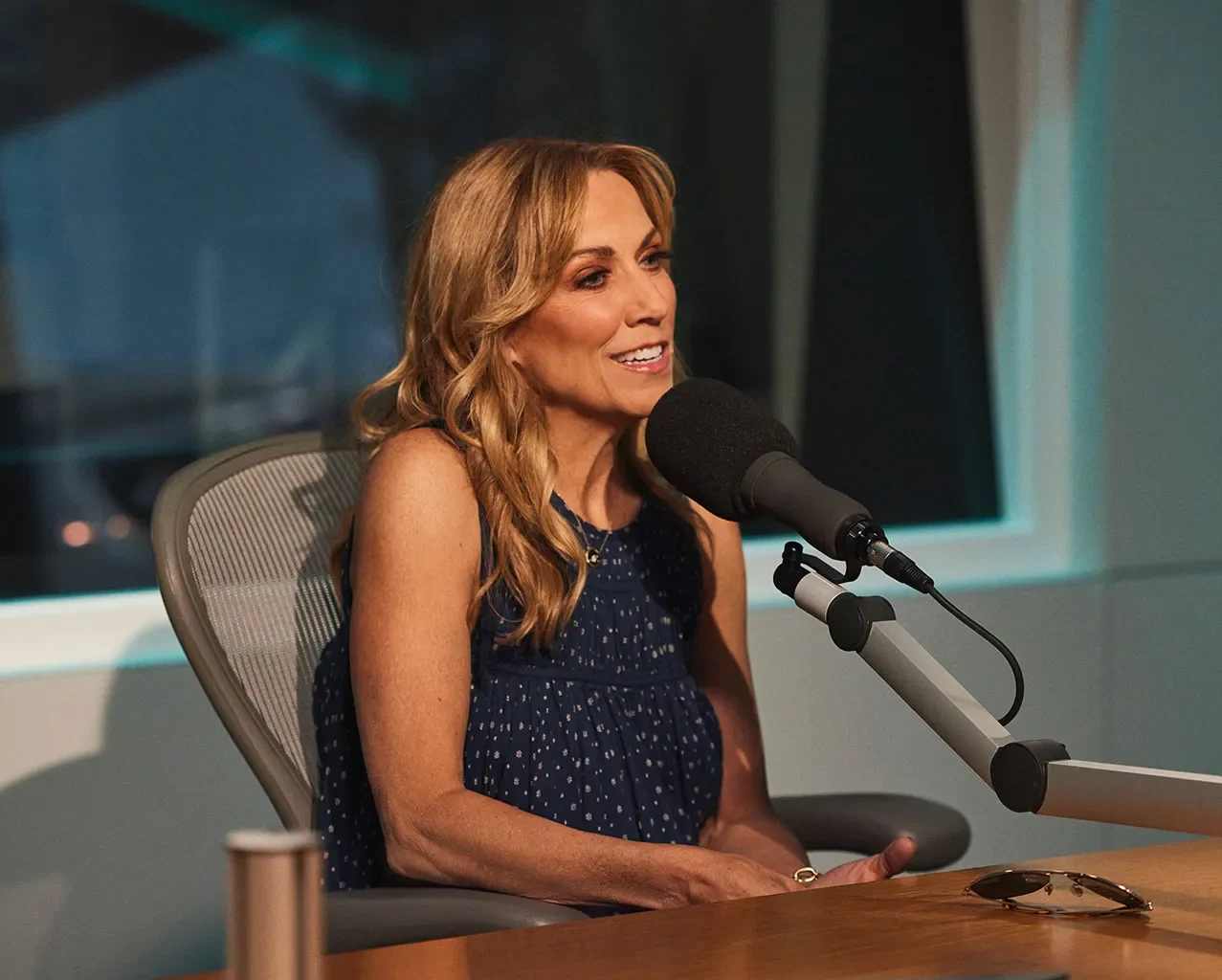
Grammy-winning singer-songwriter Sheryl Crow has never been afraid to share her opinions on social and political issues. Recently, the music star sparked headlines after sharply criticizing plans for a UFC event connected to the White House, calling the idea “disgraceful” and “void of decency.” Her comments quickly ignited debate among fans, political observers, and sports enthusiasts, highlighting how entertainment, politics, and sports continue to intersect in today’s culture.
Crow’s criticism came after discussions surrounding a proposed UFC event on White House grounds generated significant public attention. Supporters of the idea viewed it as an innovative and exciting way to celebrate American culture and attract public interest. They argued that the UFC has grown into one of the world’s most popular sports organizations and that hosting an event at a historic location could create a memorable national spectacle.
However, Crow saw the situation very differently. In her remarks, she questioned whether a combat sports event belonged at one of the nation’s most important political and historical sites. She suggested that the White House should symbolize leadership, diplomacy, public service, and respect for democratic institutions rather than serving as a venue for a high-profile fighting event.
The singer’s use of the words “disgraceful” and “void of decency” reflected her belief that the proposal crossed a line between entertainment and the dignity traditionally associated with the presidency and the White House. For Crow, the issue was not necessarily about the UFC itself but about the message sent by hosting such an event at a location that represents the highest office in the United States.
The reaction to her comments was immediate and divided. Many supporters praised Crow for speaking out and defending what they see as the symbolic importance of the White House. They agreed that certain institutions should remain separate from entertainment spectacles and argued that preserving the dignity of national landmarks is important regardless of political affiliation.
Others disagreed with her position. Some UFC fans and supporters of the event argued that mixed martial arts has become a mainstream sport followed by millions around the world. They pointed out that athletes train with extraordinary discipline and dedication and suggested that hosting a sporting event at a historic venue could be viewed as a celebration of American achievement rather than a sign of disrespect.
The controversy also highlights the growing role celebrities play in public debates. As a musician with a long history of activism and social commentary, Crow has often used her platform to express her views on issues she considers important. Whether discussing environmental concerns, public policy, or cultural trends, she has consistently shown a willingness to engage in conversations that extend beyond music.
Meanwhile, the UFC has continued its rise as a major force in global sports. What began as a niche combat competition has evolved into a multibillion-dollar enterprise with international audiences and some of the most recognizable athletes in sports. Its growing cultural influence means that discussions about where and how UFC events are presented often attract attention far beyond the sports world.
At the center of the debate is a broader question about the purpose and symbolism of historic public spaces. Should iconic locations such as the White House be used for unconventional events that attract public interest and media attention, or should they be reserved for activities more closely tied to their traditional roles? There is no simple answer, which is why opinions on the issue remain so deeply divided.
For Sheryl Crow, however, her position is clear. She believes that hosting a UFC event at the White House would undermine the sense of dignity and respect associated with the historic residence. Whether people agree or disagree with her assessment, her comments have succeeded in sparking a national conversation about the balance between entertainment, sports, politics, and the symbols that define American public life.
As debate continues, Crow’s criticism serves as another reminder that cultural moments often become larger discussions about values, identity, and the meaning of the institutions that shape a nation. In this case, a proposed sporting event has evolved into a broader conversation about what the White House represents—and who gets to define that image.