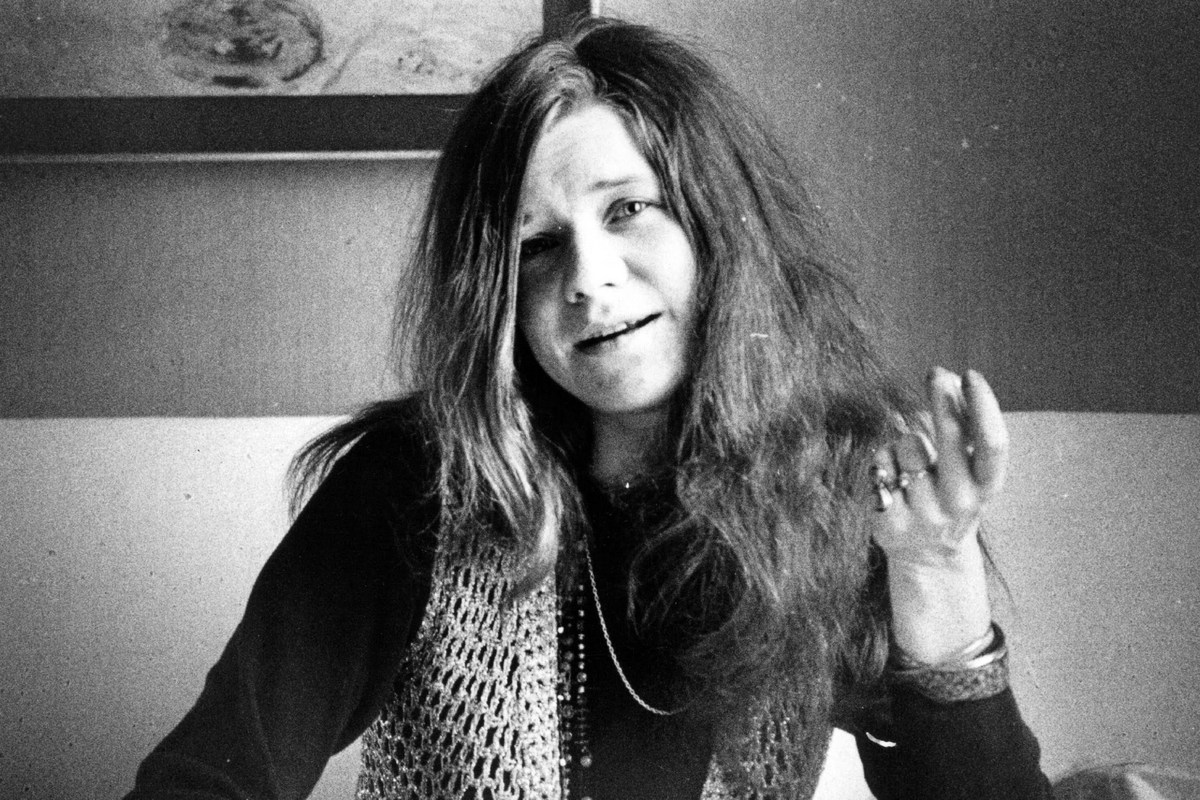
Janis Joplin died on October 4, 1970, at the Landmark Motor Hotel in Hollywood, at twenty-seven years old. The official accounts of her final days have always described someone who was, by the accounts of friends and musicians around her, in relatively good spirits — working on Pearl, what would become her masterpiece, and seemingly moving through a productive if complicated period. But a letter she mailed to herself shortly before her death, which arrived after she was already gone, offered a different kind of portrait.
The letter, which her brother Michael Joplin has described in interviews but which has never been reproduced in full, was addressed to herself at her San Francisco home. It was personal in the way that letters written to oneself tend to be — unperformed, unguarded, and full of things a person cannot say out loud to other people. Michael Joplin said it contained passages about how she felt about her own voice, about what she had wanted from her career that she felt she had not yet gotten, and about a loneliness that the stage had never actually fixed.
What makes the letter historically significant is what it does to the mythology. Janis Joplin has been understood, largely, through the lens of her public self — the screaming, whiskey-drinking, full-throttle performer who seemed to live at maximum volume. The letter suggests, as the people closest to her had long suspected, that the performance was comprehensive. That the real Janis was quieter, more uncertain, and more reflective than anything audiences ever saw.
She was in the middle of making the best album of her career. She was also, in private, working through things the album could not contain. The letter arrived at her house after she was already gone. It sat unopened until someone finally had to open it, and by then, the world already knew what it had lost.