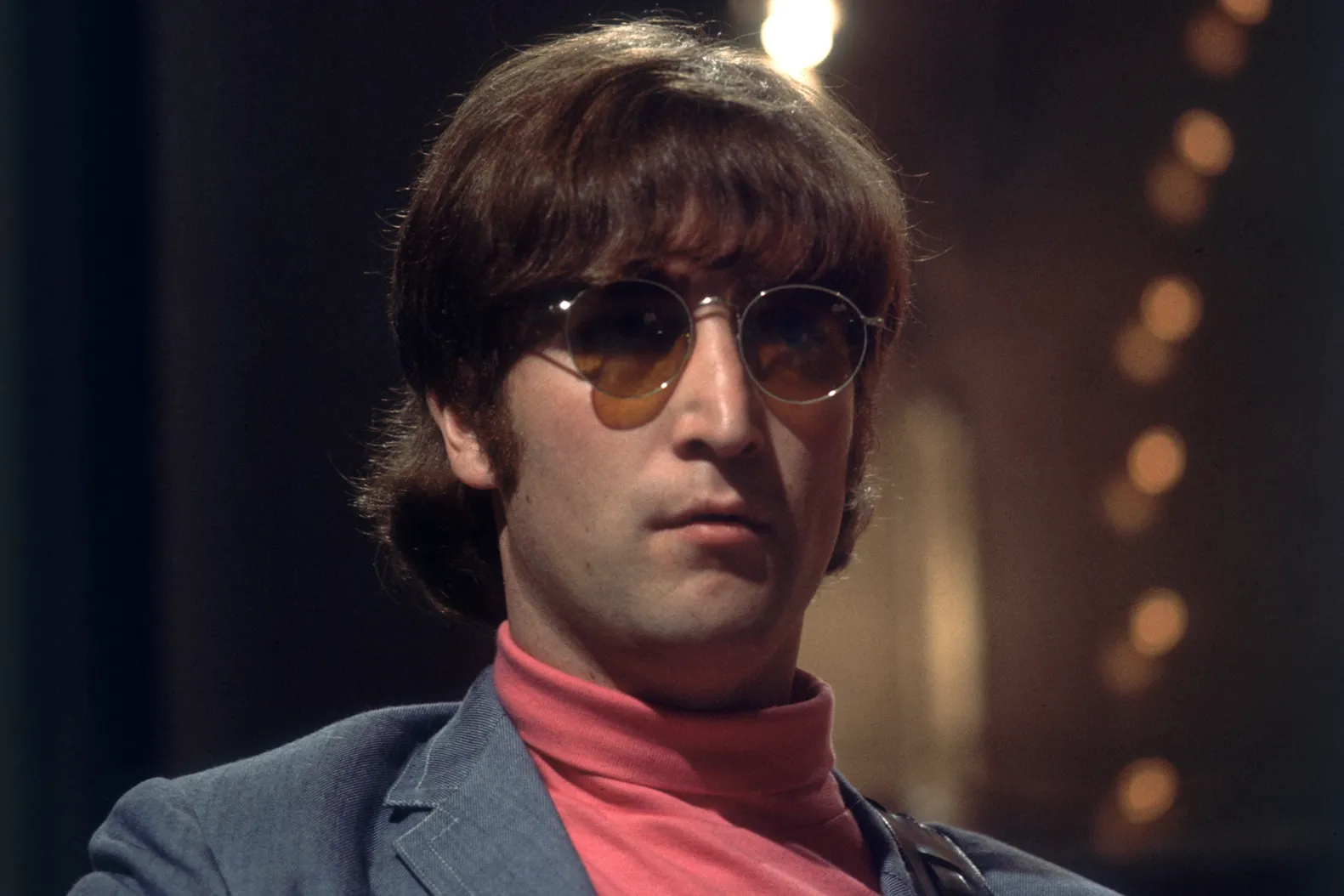
Few figures in popular music inspire as much admiration—and as much criticism—as John Lennon. More than four decades after his death, the former Beatles songwriter remains one of the most debated artists in rock history. To some, Lennon was a visionary musician, peace activist, and cultural icon. To others, he was flawed, contradictory, and at times deeply controversial.
The truth is that both perspectives contain elements of reality. Yet many of the harshest criticisms directed at Lennon often overlook the complexity of his life, his willingness to confront his own mistakes, and the enormous impact he had on music and culture.
One reason Lennon attracted criticism was that he rarely tried to present himself as perfect. Unlike many celebrities who carefully managed their public image, Lennon often spoke openly about his insecurities, failures, and regrets. This honesty sometimes made him an easy target. Critics could point to his past behavior, his turbulent relationships, or his provocative comments and use them to define his entire character.
Lennon himself never claimed to be a saint. In fact, he publicly acknowledged many of his shortcomings. During the 1970s, he openly discussed mistakes he had made in his personal life, including the ways he had hurt people close to him. Rather than hiding from those failures, he confronted them in interviews and in his songwriting. Songs such as “Jealous Guy” reflected a level of self-examination that was uncommon among rock stars of the era.
Another source of hostility toward Lennon stemmed from his political activism. Throughout the late 1960s and early 1970s, he used his fame to speak out against war and advocate for peace. While millions admired his message, others viewed him as naïve, hypocritical, or overly political. His famous “Bed-Ins for Peace” and songs like “Give Peace a Chance” became symbols of a generation’s hopes, but they also attracted critics who believed celebrities should stay out of political discussions.
Yet regardless of where one stands on his activism, it is difficult to deny the sincerity of his convictions. Lennon genuinely believed that public figures could use their platform to encourage social change. Whether people agreed with his methods or not, his efforts reflected a desire to engage with the world rather than simply profit from fame.
Of course, Lennon also faced criticism because of his personality. He could be sharp-tongued, sarcastic, and confrontational. He often challenged authority, questioned conventions, and expressed opinions that made people uncomfortable. These traits earned him enemies throughout his career. However, they were also part of what made him such a compelling artist. The same fearless honesty that sometimes created controversy fueled some of the most powerful songs ever written.
Musically, Lennon’s legacy is almost impossible to overstate. As a member of The Beatles, he helped transform popular music, pushing the boundaries of songwriting, recording, and artistic expression. Alongside Paul McCartney, he created a catalog that continues to influence musicians across every genre. Even after The Beatles disbanded, Lennon produced songs that resonated with audiences around the world, including “Imagine,” one of the most enduring anthems of hope ever recorded.
Defending John Lennon does not require pretending he was flawless. In many ways, his flaws were part of what made him human. He made mistakes, acknowledged them, and spent much of his life trying to understand himself better. That journey was often messy and imperfect, but it was real.
Perhaps that is why Lennon continues to matter. He was not a mythological hero or a perfect role model. He was a gifted, complicated individual whose music, ideas, and honesty left a lasting mark on the world. The people who hated him often focused exclusively on his shortcomings. The people who admired him recognized both his faults and his extraordinary contributions.
To understand John Lennon fully is not to ignore his imperfections—it’s to see the whole person behind the legend.