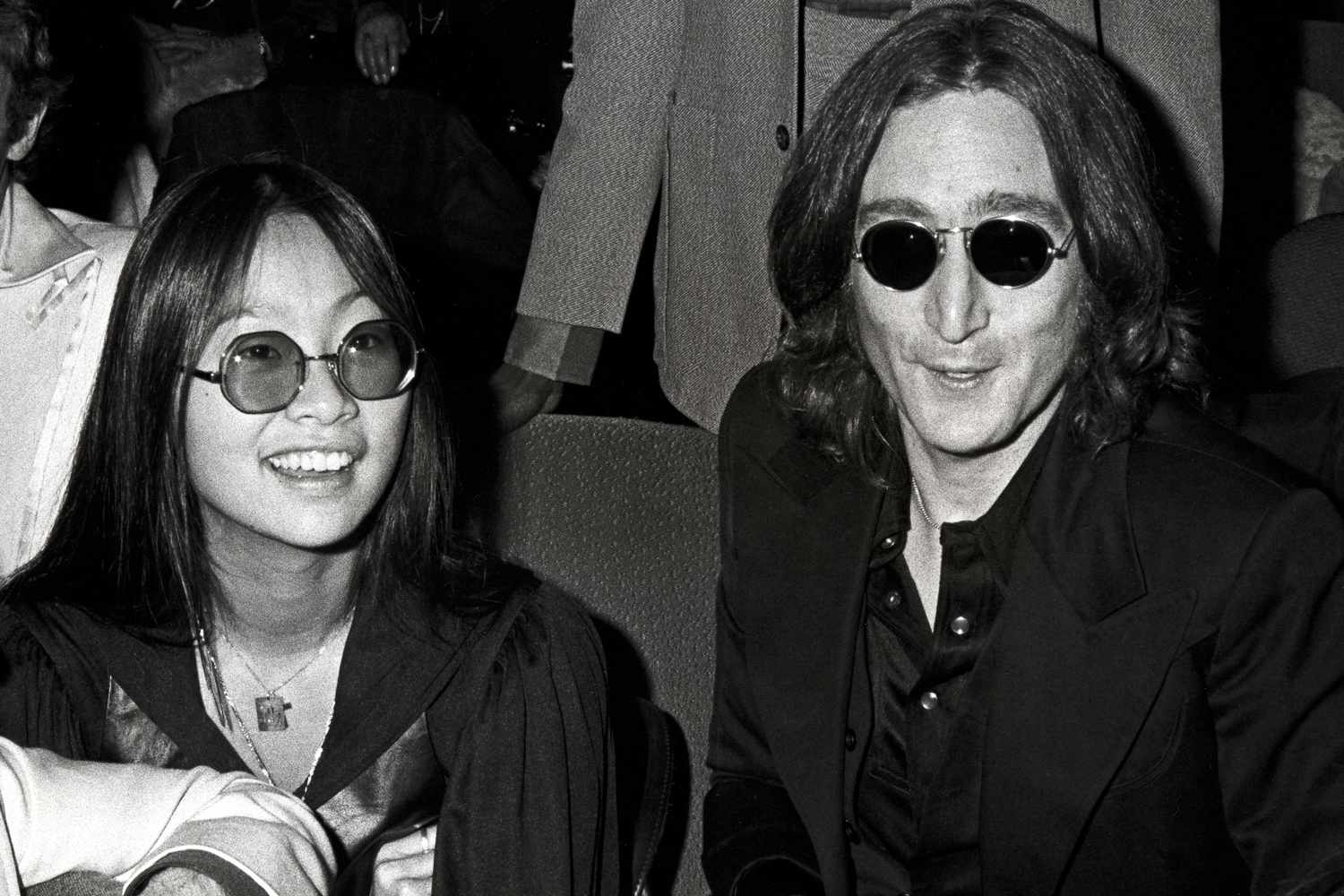
The public version of John Lennon and Yoko Ono is one of the most contested narratives in popular culture. Contested by people who blamed her for the Beatles’ breakup — a blame that was never fully fair and has become less fair with each passing decade of historical reassessment. Contested by people who found the performance art dimension of their relationship — the Bed-Ins, the acorns sent to world leaders, the very public processing of very private feelings — difficult to receive as genuine. Contested by Lennon’s first family, by former Beatles, by the specific community of people who felt that the John Lennon they had known before Yoko was a different and preferable person.
The private version of John Lennon and Yoko Ono is less contested because it is less visible. What happened between them in the Dakota — in the domestic, daily, ordinary texture of their life together — is known primarily through Yoko’s account because she is the one who survived it and the one who has chosen, across forty-plus years of survival, what to share and when.
She does not share easily. She is a woman who has maintained a fierce and sometimes criticized privacy around the relationship despite — or perhaps because of — the enormous public appetite for it. She has given interviews that contain genuine information about their life together and interviews that are almost entirely management of the mythology. She knows the difference. She controls the access.
The one interview in question was given in 1983. Three years after his death. A journalist she trusted, a small publication, a conversation that was not intended to be the definitive account of the relationship but that contained, in among the other things, a specific detail that the journalist understood immediately and that has been quoted and referenced in the decades since as one of the few completely unguarded things Yoko has said about their private life.
She was talking about the morning routine at the Dakota. About the specific texture of the domestic years — 1975 to 1980, the period after his return from the Lost Weekend and the birth of Sean, the years of intentional withdrawal from the public life. She was describing ordinary mornings. Coffee. The apartment. Sean. The newspapers. The specific pleasures of a life that was, by the standards of their previous decade, remarkably ordinary.
She said that every morning, before he spoke about anything else, before the coffee or the newspaper or whatever the day had waiting — every morning John Lennon said the same three words to her. She described it as a ritual. Something that had developed without being decided upon, that had simply become the way the morning started.
The three words were: “Can you hear?”
Not “I love you.” Not a greeting. A question. The same question every morning for five years.
She said she had understood, after some time of hearing it, what he was asking. Not whether she could literally hear. Whether she could hear him. Whether the communication between them — which had been difficult and contested and sometimes spectacular in its failures during the earlier years — was intact. Whether they were still, at the beginning of another day, genuinely receiving each other.
He asked every morning because he had learned, through the Lost Weekend and the years of difficulty that preceded it, that connection between two people is not a permanent achievement. That it requires daily recommitment. Daily checking. The specific question asked again every morning because the answer from yesterday does not automatically carry forward.
Can you hear?
She always said yes.
She has said in the years since that she still hears the question. That forty years after his death, on ordinary mornings in the Dakota that is now her apartment alone, she still hears him asking it.
She answers yes. She always answers yes.
Because she can. Because whatever December 8th 1980 took from her it did not take that.
She can still hear him.
She always will.