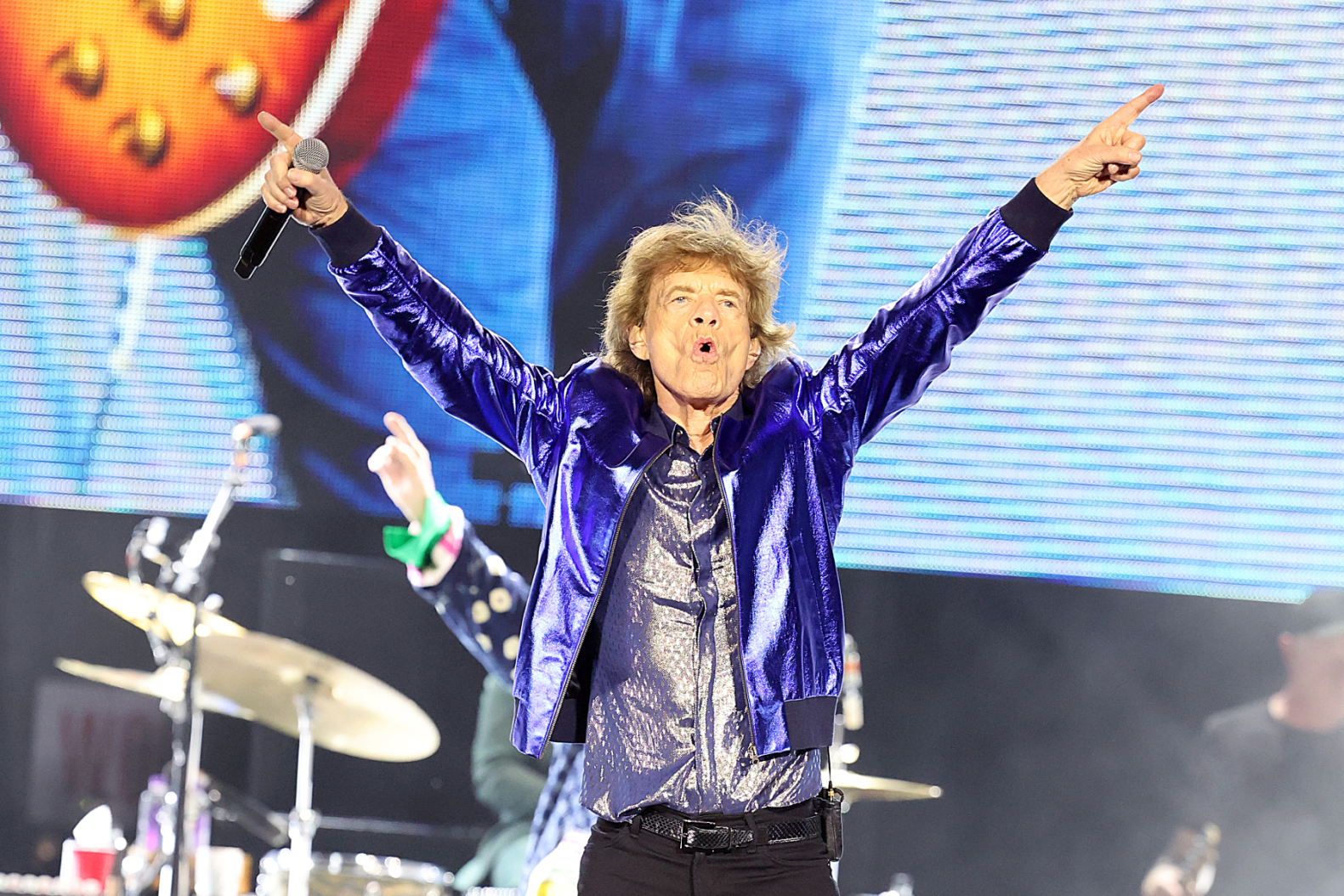
There is a myth at the center of the Rolling Stones that has been carefully maintained for sixty years. The myth is called Jagger-Richards. Two names. Equal billing. A partnership so complete and so balanced that you cannot imagine one without the other. It is printed on every record sleeve, registered with every publishing house, repeated in every documentary and every magazine profile and every Rolling Stones biography that has ever been written.
And Keith Richards, in his quieter moments, will tell you it is not entirely true.
The reality of how the Rolling Stones wrote their music is far more complicated — and far more interesting — than the clean fifty-fifty split the official story presents. There were songs that came entirely from Jagger. There were songs that came entirely from Richards. And there were songs that arrived fully formed from one man’s guitar at three in the morning in a hotel room, that by the time they reached the record had acquired a second name on the writing credit through a process that had more to do with business arrangements than with actual creation.
Keith Richards is not a bitter man. He has survived too much to waste energy on bitterness. But in his autobiography “Life” — one of the most honest books any rock musician has ever written — he is remarkably candid about the specific ways the Jagger-Richards credit system worked and did not work. About the songs he brought to the band complete, melody and lyric and structure already intact, that somehow became collaborations in the paperwork.
1. “Happy” — recorded during the Exile on Main St. sessions — was written and performed almost entirely by Richards. He plays the guitar. He sings lead vocals. Mick Jagger was not even present for most of the recording. The song exists because Keith Richards had a night alone with a guitar and a tape recorder and followed something all the way to the end. The credit reads Jagger-Richards.
2. “Before They Make Me Run” from Some Girls is Keith’s song in every meaningful sense. He wrote it about his own drug arrest and trial. He sang it because the emotion in it was too personal, too specific, too raw for anyone else to deliver convincingly. It came from his life and his fear and his particular relationship with consequence. Jagger’s name is on it.
3. “Gimme Shelter” — perhaps the greatest song the Rolling Stones ever recorded — began with a guitar riff Richards developed alone during a rainstorm in London. The atmosphere of the song, that sense of dread and apocalypse, came directly from the weather outside his window and the mood he was sitting inside. The riff is his. The architecture is his. Merry Clayton sang the vocal that broke the world open and she has talked about that session for fifty years. Mick Jagger co-wrote it. That is what the paperwork says.
4. “Sympathy for the Devil” has a more complicated history but Richards has been clear that the musical structure — the samba rhythm, the rolling guitar pattern that gives the song its particular menace — was entirely his contribution developed before Jagger brought the lyrical concept. The song became a Jagger showcase because of his performance. The vehicle that made the performance possible was built by someone else.
5. “Wild Horses” is the one that Richards talks about most quietly. It is a song about love and loss and the specific pain of leaving something you cannot afford to stay with. Richards has indicated in multiple interviews that the emotional core of that song came from a place entirely personal to him — that it was written in a specific moment about a specific feeling that Mick Jagger did not share. It became one of the most celebrated songs in the Rolling Stones catalog. Both names are on it.
None of this diminishes the partnership. Jagger-Richards is still one of the most productive creative collaborations in the history of popular music. Mick Jagger brought things to those songs — performance, presence, lyrical intelligence, an instinct for what the public wanted — that cannot be measured on a writing credit.
But the writing credit is what gets paid. The writing credit is what gets remembered. And Keith Richards, who has given more of his actual life to the Rolling Stones than perhaps any human being should give to anything, deserves to have the full story told.
He wrote those songs alone. In the dark. When nobody was watching.
That should be part of the myth too.