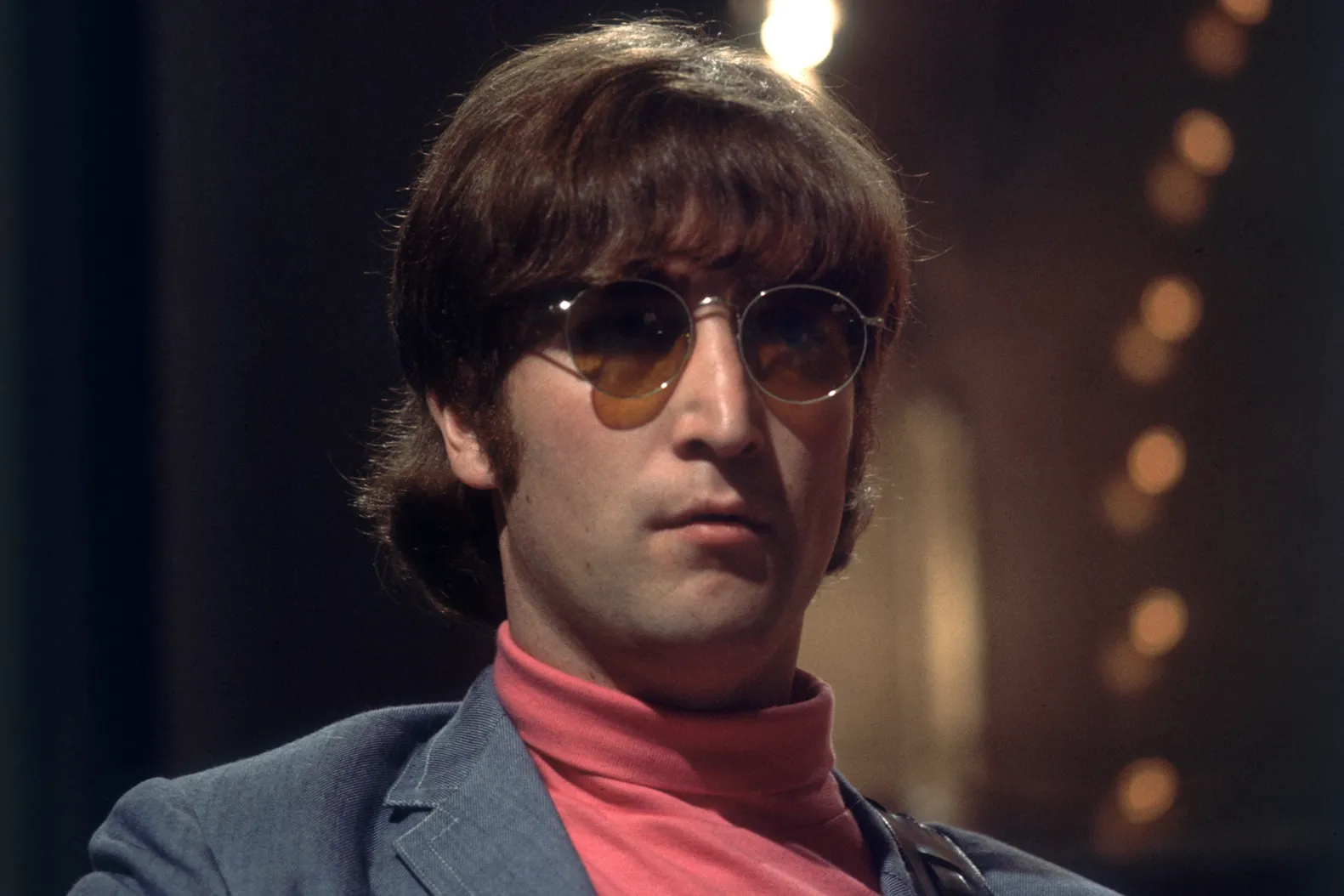
There is a version of artistic suffering that is romanticized and dishonest — the idea that pain automatically produces greatness, that misery is a prerequisite for genius. John Lennon’s story is not that story. His story is more specific and more uncomfortable than that. It is the story of a man who, at several precise moments in his life, was so completely dismantled by circumstance, by grief, by his own psychological unraveling, that the only thing left was the truth. And the truth, when Lennon finally had no choice but to put it directly into a song without armor or performance or persona, turned out to be extraordinary.
The albums and songs that came from Lennon’s most broken periods are not his most famous work. They are his most important work. They are the recordings that other musicians — including the three men who knew him better than anyone else alive — have spoken about with a reverence they reserved for almost nothing else.
1. Mother (1970) The opening track of Plastic Ono Band begins with the slow tolling of a funeral bell — not a metaphor but a literal instruction Lennon gave to the engineer, because he wanted the listener to understand from the first second that something was being mourned. What follows is a song so raw that even the people who have loved it for fifty years find it difficult to describe without dropping their voices. Lennon is addressing his mother Julia, who abandoned him to be raised by his aunt when he was five, and who was killed by a drunk driver when he was seventeen — before the relationship they had just begun to rebuild could become what it should have been. He is also addressing his father Freddie, who disappeared when Lennon was three and reappeared decades later looking for money and attention. “Mother, you had me but I never had you.” There is no metaphor. There is no distance. There is a man stating exactly what happened and exactly what it cost. The scream at the end of the song — raw, unprocessed, several seconds long — was recorded after Arthur Janov’s primal therapy had stripped away whatever protection Lennon had left. Engineers in the studio reportedly did not know what to do when it ended. Nobody said anything for a moment.
2. Isolation (1970) Less discussed than Mother but, to many musicians, the more devastating song on the same album. Lennon and Yoko Ono, at the height of their fame and their political visibility, writing a song about feeling completely alone inside all of it. “We’re afraid of everyone / Afraid of the sun.” The piano is sparse. The production is almost nothing. The feeling is of a man who has looked at his life from the outside and found that the view from inside was nothing like what the outside assumed.
3. #9 Dream (1974) Written during the Lost Weekend period — the eighteen months Lennon spent in Los Angeles separated from Yoko, living with May Pang, drinking heavily and recording with Harry Nilsson and Ringo Starr in a period of productive chaos that he later described as both the most fun and the most lost he had ever felt simultaneously. The song came from a dream. Lennon woke up with the melody and a phrase — “Ah! böwakawa poussé, poussé” — that means nothing in any known language but that the dream had given him with complete conviction. He built the song around it. It is beautiful and slightly haunted and sounds exactly like a man living in a city that is not his home, in a life that has come temporarily off its track, trying to make something meaningful out of the disorientation.
4. Watching the Wheels (1980) Written after five years of deliberate withdrawal from public life — five years during which Lennon refused interviews, refused concert appearances, refused the machinery of celebrity, and instead stayed home in the Dakota and raised his son Sean. The world interpreted this as a retreat. Lennon experienced it as the first period of his life in which he was genuinely present. “I’m just sitting here watching the wheels go round and round / I really love to watch them roll.” The song is addressed to the people who kept asking when he was coming back, kept suggesting he was wasting his talent, kept measuring him by output rather than existence. He sounds, for the first time in his recorded life, like a man who has found something worth protecting. He was killed four months after recording it.
5. Beautiful Boy (Darling Boy) (1980) Written for Sean Lennon, who was four years old when his father recorded it. A lullaby made by a man who had been largely absent from his first son Julian’s childhood — something Lennon acknowledged with genuine regret — and who was trying, carefully and consciously, to be present for his second. “Before you go to sleep / Say a little prayer / Every day in every way / It’s getting better and better.” Paul McCartney, who had his own complicated history with Lennon and who rarely spoke about the post-Beatles years without some edge of unresolved feeling, said Beautiful Boy was the song that most revealed who Lennon had become in his final years — gentler, more grateful, more aware of what actually mattered. It is the sound of a man who has come through something and knows it. He was killed before Sean was old enough to remember him clearly.