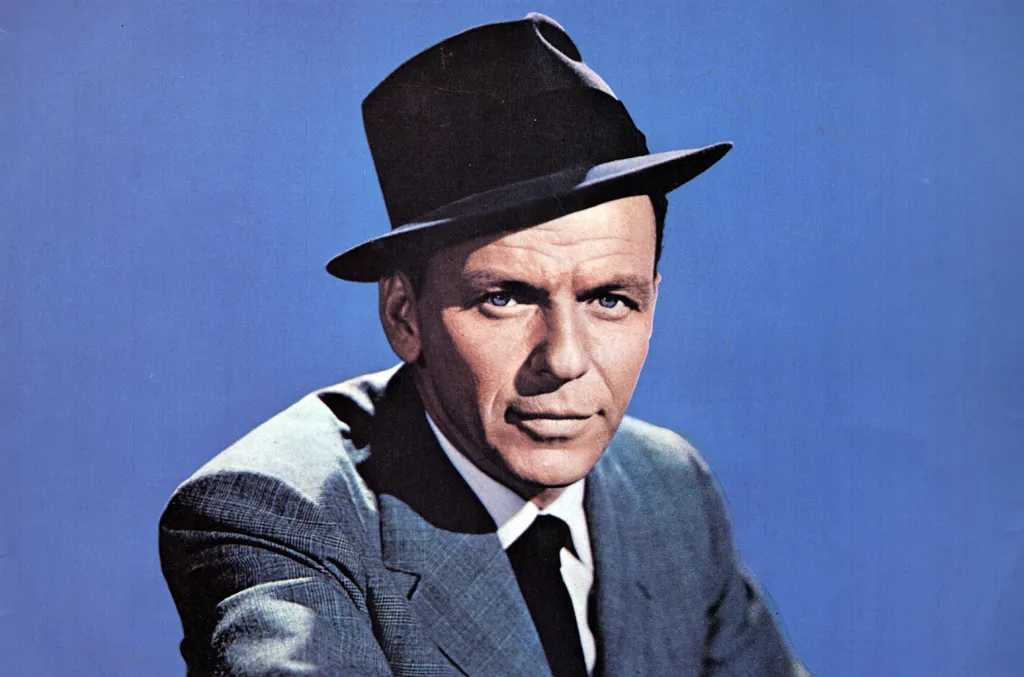
Frank Sinatra performed in public for the first time at age eight, singing along to records in his parents’ saloon in Hoboken, New Jersey, to the amusement of the adults around him. He performed, in some capacity, nearly every year for the next seventy years. He sold out Madison Square Garden. He performed for presidents. He recorded albums with arrangements that remain the gold standard for vocal jazz production. He was, by the assessment of virtually every musician he ever worked with, the most complete performer in the history of American popular music — a man for whom the stage was the most natural environment in the world.
So when Sinatra admitted to being afraid, in a private gathering sometime in the 1970s attended by a small group of fellow artists and musicians, the room went quiet in a specific way. Not the quiet of discomfort but the quiet of people recognizing that something true was being said.
The fear he described was not stage fright in the ordinary sense. It was something more specific and more interesting — the fear, developed over decades of performing, that there would come a night when the connection he relied on simply would not be there. That he would walk onstage, open his mouth, and the particular quality that distinguished his performance from mere technical execution would be absent. That the audience would get the technique without the truth, and that he would know it even if they didn’t.
He described this not as a theoretical anxiety but as something he had felt on specific nights — moments onstage where the connection flickered, where he was performing the song rather than inhabiting it, and where only his experience allowed him to carry the audience through without them realizing what was missing. These were, he said, the most frightening moments of his professional life. Worse than the bad reviews. Worse than the career valleys. The nights where he was present but not fully there.
Pianist and arranger Bill Miller, who played with Sinatra for decades, corroborated this in later interviews. He described Sinatra as the most demanding artist he had ever worked with — not in terms of ego or temperament, though those were real, but in terms of his standard for himself. Sinatra had an internal meter for the quality of his own performance that was calibrated to a level nobody else could hear. He heard the difference between a good night and a great night in fractions of a degree that were invisible to the audience and apparently agonizing to him.
What happened next, after the admission, was simpler than the drama might suggest. The other musicians in the room recognized what he was describing because they felt the same thing. The conversation turned from performance anxiety into something closer to a shared meditation on what it meant to pursue the connection between performer and audience as a lifelong vocation — and how the pursuit, not the achievement, was the thing that kept you going.
Sinatra walked onstage the next night and delivered, by all accounts, a performance of extraordinary presence. Whether he was afraid beforehand is not recorded. The performance is what remains.