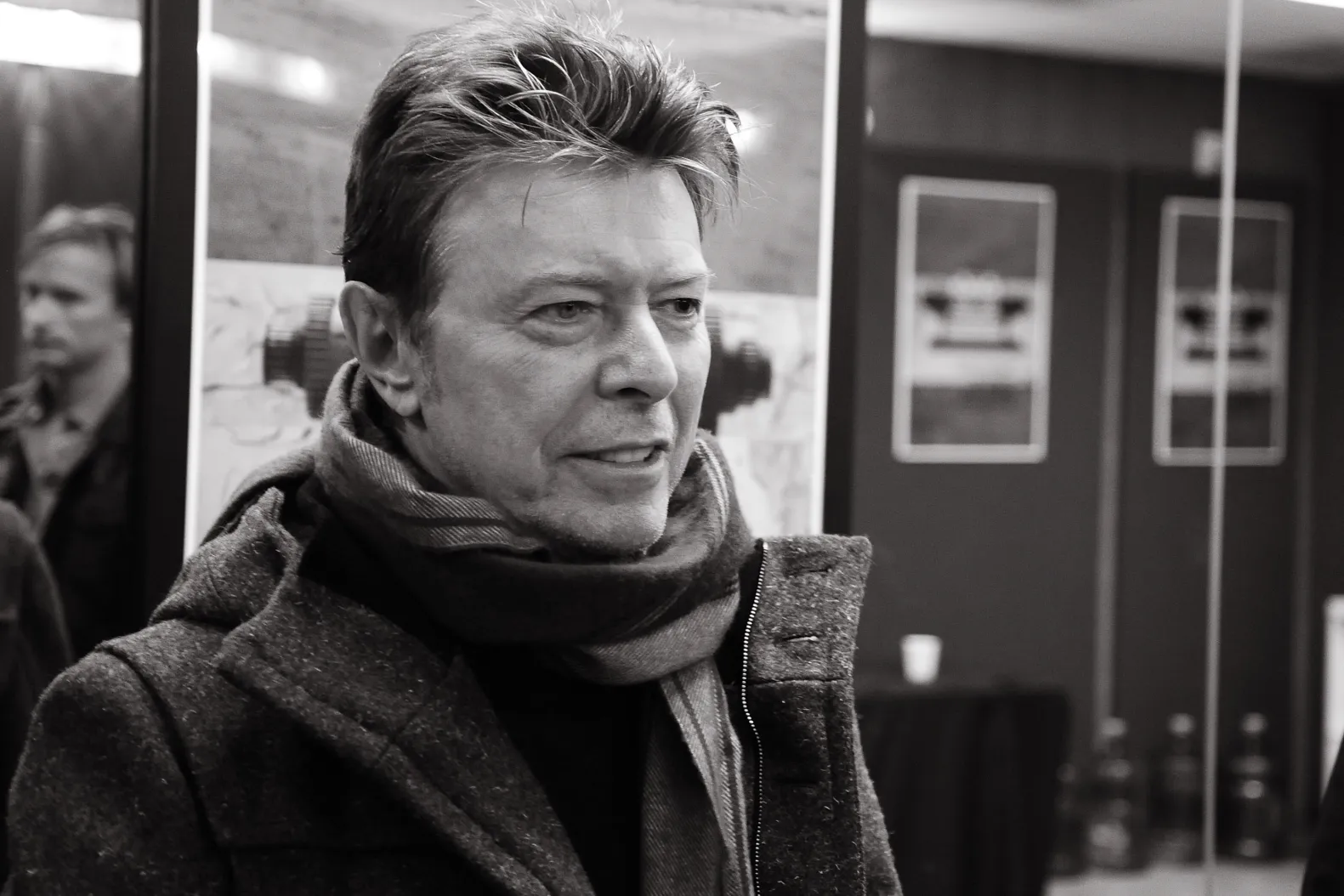
David Bowie did not follow culture. He arrived somewhere, stayed long enough to be identified with it, and left before it became fashionable — moving on to the next thing, the next identity, the next musical territory that nobody else had mapped yet. This is not a myth constructed in retrospect. It is documented in real time, across a career of fifty years, in which he was consistently ahead of whatever conversation the rest of popular music was having. These five songs are the clearest evidence. Each one arrived before the world was ready for it. The world caught up eventually.
1. Space Oddity (1969) Released five days before the Apollo 11 moon landing — either a piece of extraordinary timing or extraordinary luck, and with Bowie it is impossible to be certain which. The song is about an astronaut who severs communication with ground control and drifts into space, and it is structured with a formal complexity — alternating time signatures, a shift in emotional register between the calm of the launch and the stillness of the drift — that had no precedent in British pop music. The BBC used it as accompaniment for their moon landing broadcast. They apparently did not listen carefully enough to the ending.
2. Fame (1975) Co-written with John Lennon during the Young Americans sessions and built on a guitar riff contributed by Carlos Alomar, Fame was funk before most British rock musicians understood what funk was. The rhythm is locked into a groove that owes everything to James Brown and nothing to the glam rock Bowie had been making the year before. He reinvented himself in real time, mid-album, mid-career, with a lateral move so confident it didn’t even announce itself. It went to number one in America — his first. The irony of a song called Fame being the vehicle for his greatest commercial success was not lost on Bowie.
3. Heroes (1977) Already discussed in a previous piece but impossible to omit here. In 1977, ambient music was an academic concern. Electronic production was associated with German art music that mainstream audiences had no access to. Bowie put both inside a three-minute pop song and released it as a single. The wall outside the window gave it a political dimension it would have had regardless. The production — Robert Fripp’s guitar processed through Brian Eno’s signal chain, building from silence to something enormous — influenced every large-scale rock production of the following two decades. It arrived fully formed from a future that did not yet exist.
4. Let’s Dance (1983) The commercial peak and, in artistic terms, the most complicated entry on this list. Bowie hired Nile Rodgers to produce it, stripped his sound down to something clean and radio-friendly, and released the most accessible record of his career. Critics who had followed the Berlin trilogy viewed it as a betrayal. What they missed was that Bowie was doing what he always did — identifying where music was going and arriving there first. Let’s Dance anticipated the polished, production-heavy pop of the mid-1980s by approximately two years. It is not his deepest work. It is proof that he could predict the mainstream from outside it.
5. Blackstar (2016) Released two days before his death. Recorded in secret while he was dying of liver cancer, known to almost no one outside his immediate family and closest collaborators. Bowie had been watching music closely enough to know what was happening in contemporary jazz and art-rock, and Blackstar is in conversation with both in a way that musicians twenty years younger were still figuring out. It is also, unmistakably, a farewell — a man arranging his own departure with the same deliberateness and artistry he had brought to every other transformation of his career. The final transformation was his own death. He made a masterpiece of it.