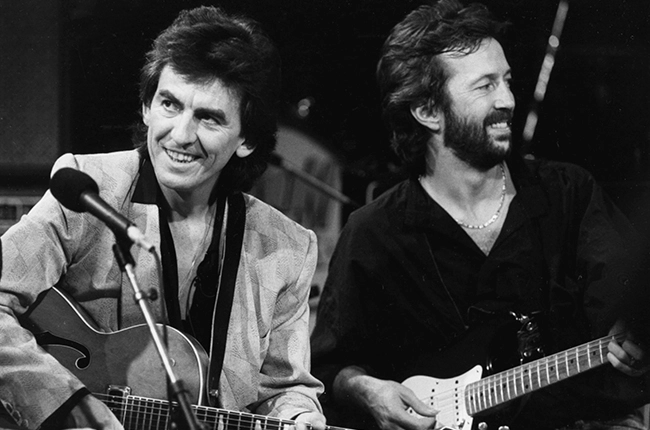
For most of the Beatles’ career, George Harrison existed in a specific and uncomfortable position. He was a member of the greatest band in the world, and he was treated by that band’s two primary creative forces as a junior partner — talented, valued for his guitar playing, occasionally humored as a songwriter, but not taken seriously as a composer in the way that Lennon and McCartney took each other seriously. The condescension was not cruel. It was almost casual, which was worse. It was the condescension of people who did not realize they were doing it.
Harrison had been writing songs and submitting them for consideration since the mid-1960s. The ratio tells the story: on most Beatles albums, Lennon and McCartney each contributed five to seven songs. Harrison was allocated two. Sometimes fewer. The message was never spoken aloud but was structurally impossible to miss — this band has two songwriters, and you are not one of them.
What changed was Something. Written by Harrison in 1969 during the Abbey Road sessions, it was inspired by his then-wife Pattie Boyd and recorded with an emotional directness and melodic sophistication that stopped everyone in the studio. Frank Sinatra later called it the greatest love song of the past fifty years and performed it regularly. Ray Charles recorded it. James Brown recorded it. It has been covered over 150 times. It was the first Harrison composition to be released as a Beatles A-side single.
Lennon’s response was not immediate or public, but accounts from people in the room during the Abbey Road sessions describe a shift — a moment where Lennon listened to the completed recording and said, with apparent sincerity, that it was the best song on the album. From John Lennon, about a George Harrison composition, that was not a small statement. It was an admission that the hierarchy had been wrong. That the person they had been treating as the third songwriter was capable of producing something neither of them had bettered.
Harrison’s response to decades of underestimation had been to get quietly better. While Lennon and McCartney competed with each other and then competed with themselves after the breakup, Harrison was accumulating — writing songs, studying music theory, deepening his engagement with Indian classical music, building a catalog that nobody was yet taking seriously enough to notice. All Things Must Pass (1970) — his first solo album after the Beatles, a triple album released simultaneously with a concert LP — was Harrison exhaling everything he had been holding back for a decade. Critics called it the best post-Beatles solo record. It still holds that title.
The specific cruelty and beauty of the Harrison story is that the recognition came too late to change the dynamic while the band still existed. By the time Lennon admitted he was wrong about him, the Beatles were already ending. The acknowledgment was real. It was just not timely.