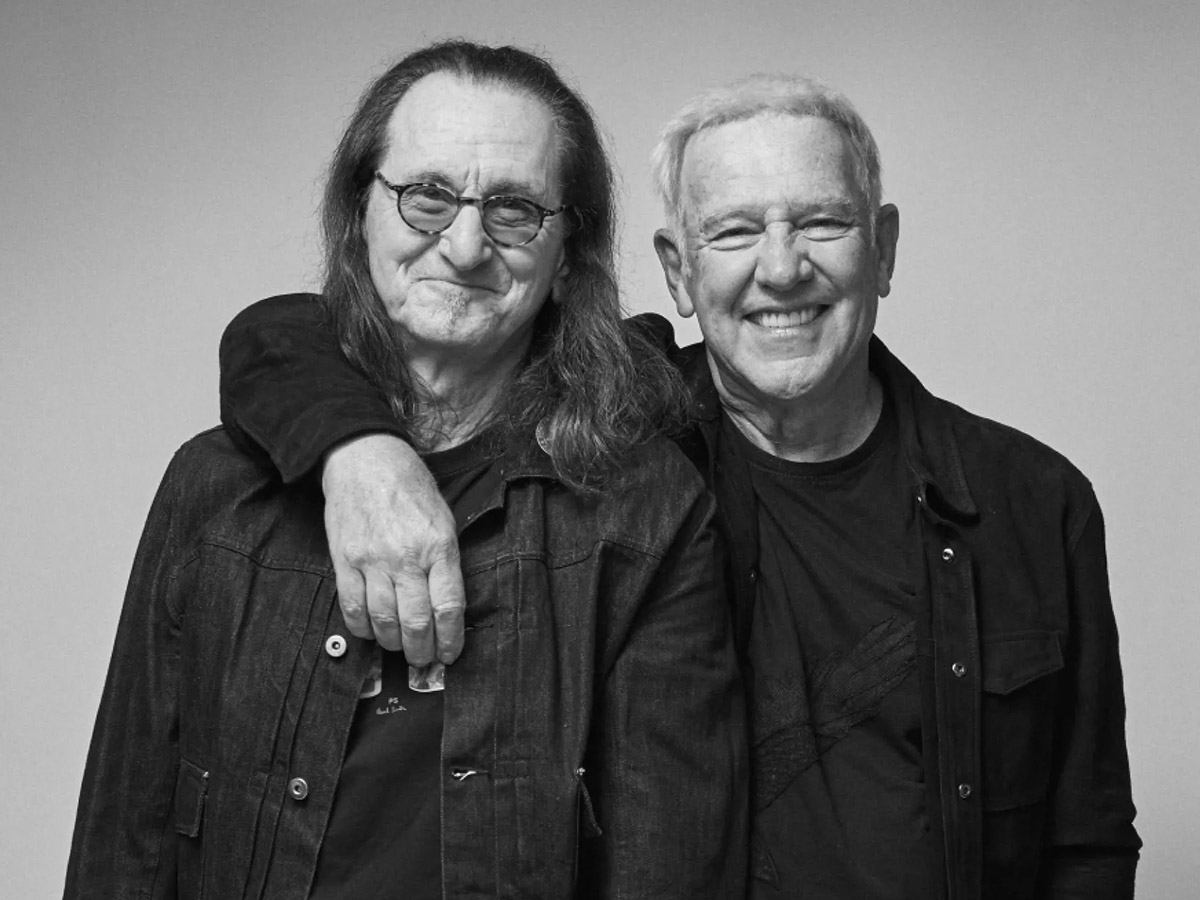
More than six years after the death of legendary Rush drummer Neil Peart, Geddy Lee is finally speaking candidly about one of the most painful periods in the band’s history — and his comments reveal just how complicated grief can become when a global legacy is involved.
In a recent interview, Lee described the behavior of some musicians following Peart’s death in January 2020 as “distasteful” and emotionally difficult to process. According to Lee, while he and Alex Lifeson were still mourning the loss of their friend and bandmate, certain drummers began approaching the band in ways that felt opportunistic rather than respectful.
For Lee, the issue was not simply about replacing a drummer. It was about timing, empathy, and understanding the emotional devastation left behind by the death of someone who was far more than just a musician.
Neil Peart Was Irreplaceable
To Rush fans, Neil Peart was never “just the drummer.” He was the band’s lyrical architect, rhythmic mastermind, and one of the most respected musicians in rock history. His technical brilliance and intellectual songwriting helped define Rush for decades, making his loss feel almost impossible to overcome.
Peart passed away after a private three-and-a-half-year battle with glioblastoma, a devastating form of brain cancer. The news shocked the music world and left many fans believing that Rush had truly reached its end.
That is why Lee’s recent comments resonate so deeply. They expose the uncomfortable tension that often follows the death of a legendary artist: while some people are grieving, others are already wondering what happens next.
Grief Under Public Pressure
What makes Lee’s remarks especially emotional is how honest they feel. Public grief is rarely simple, especially for bands whose identities are inseparable from the people in them.
According to Lee, the musicians closest to Rush understood the sensitivity of the moment and would never have approached the band so soon after Peart’s death. That contrast clearly left a lasting impression on him.
His frustration was unmistakable when he described the behavior as “completely inappropriate timing.” The comments suggest that, for Lee, some individuals viewed Rush’s tragedy as an opening instead of a moment deserving silence and respect.
For fans, that revelation cuts deep because it humanizes the surviving members of Rush in a way audiences do not always see. Behind the legendary status and decades of success were two grieving friends trying to process an unimaginable loss.
Finding a Way Forward
Despite the pain, Lee and Lifeson eventually began exploring what a future connected to Rush could look like — carefully and cautiously.
Lee revealed that drummer Anika Nilles became one of the first people they seriously considered working with. He praised not only her technical ability but also her personality, intelligence, and musical depth, saying he loved her “vibe and diverse style.”
That distinction matters. Lee’s comments make it clear that moving forward was never about finding a replacement for Peart, because that would be impossible. Instead, it became about finding musicians who understood the emotional weight of the music and the legacy attached to it.
Lee also admitted that even now, performing certain Rush songs can still be emotionally difficult. Some tracks, he said, instantly remind him of Peart’s absence and “kind of hit you” while playing.
Protecting Rush’s Legacy
Perhaps the most revealing aspect of Lee’s recent interviews is how protective he and Lifeson remain over Rush’s identity. He explained that the band initially struggled with whether they should even continue using the Rush name, joking that they were “twisting ourselves into a pretzel” trying to avoid it before finally asking, “What else do you fucking call it?”
That statement perfectly captures the emotional conflict surrounding Rush’s future. The band’s identity is inseparable from Neil Peart, yet the surviving members also recognize that Rush’s music still means something profound to millions of people around the world.
In the end, Lee’s comments are powerful because they refuse to romanticize grief. They show the uncomfortable realities that follow enormous loss: pressure, expectations, opportunism, confusion, and the challenge of protecting something sacred while still trying to move forward.
For Rush fans, it is heartbreaking, controversial, and deeply human all at once.