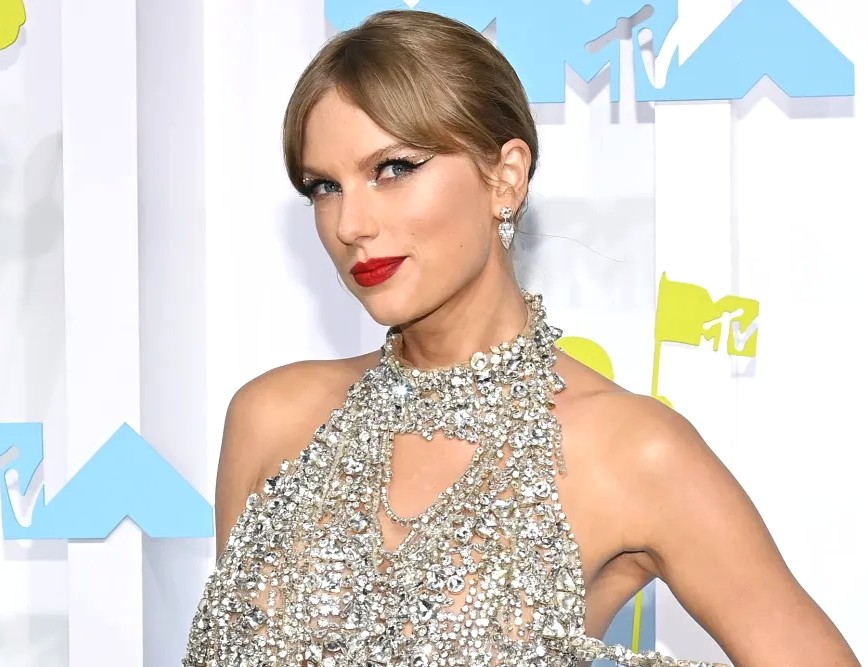
When Taylor Swift began speaking more openly about politics, gender expectations, and the treatment of women in entertainment, not everyone applauded. According to Swift, one powerful industry figure once warned her to “stay in her lane.” The message was clear: sing the songs, smile for the cameras, and avoid stepping into conversations that might make people uncomfortable.
Instead of backing down, Swift answered in the most Taylor Swift way possible — by creating an entire album that turned criticism, anger, heartbreak, and public judgment into art. That album was Reputation, a darker, sharper, and more defiant project that marked one of the boldest reinventions of her career.
The Moment Taylor Swift Stopped Staying Quiet
For much of her early career, Swift was often portrayed as “America’s sweetheart.” She wrote country-pop love songs, avoided political debates, and carefully maintained a polished public image. But as her fame exploded, so did the scrutiny surrounding her every move.
Critics attacked her dating life. Social media mocked her friendships. Headlines questioned her authenticity. And when Swift finally started speaking out about issues she cared about — including women’s rights and public double standards — some people in powerful positions reportedly felt she was overstepping.
Swift later reflected on the pressure women face in entertainment: they are often encouraged to remain agreeable, grateful, and silent. Stepping outside those expectations can suddenly make them “difficult” or “controversial.”
Rather than retreat, Swift transformed those experiences into creative fuel.
A New Era: Reputation
Released in 2017, Reputation sounded nothing like the bright optimism of Swift’s earlier records. The album arrived after months of public backlash, celebrity feuds, online criticism, and intense media coverage.
The opening single, Look What You Made Me Do, immediately shocked listeners. Gone was the soft-spoken country-pop star. In her place stood a sharper, more confrontational artist willing to challenge the narratives built around her.
The song’s famous line — “The old Taylor can’t come to the phone right now” — became a cultural moment. Swift was symbolically burying the version of herself the public thought they owned.
Turning Criticism Into Power
What made Reputation so fascinating was its emotional complexity. Beneath the dark visuals and aggressive production was a story about survival.
Songs like I Did Something Bad and This Is Why We Can’t Have Nice Things pushed back against judgment and betrayal. Swift leaned into the villain image people had assigned to her and exaggerated it almost theatrically.
At the same time, tracks such as Delicate and Call It What You Want revealed vulnerability beneath the armor. Swift wasn’t simply angry — she was exhausted, isolated, and trying to rebuild trust in both love and herself.
That balance gave the album emotional depth. It wasn’t just revenge music. It was a portrait of someone learning how to survive public humiliation without losing their identity.
The Public Reconsidered Taylor Swift
At first, some critics saw Reputation as too defensive or too dramatic. But over time, many fans and reviewers began viewing the album differently.
In hindsight, Reputation captured a major turning point in Swift’s life and career. It documented what happens when a female artist refuses to stay silent after years of being told how to behave.
The album also showed Swift taking ownership of her own narrative. Instead of allowing tabloids, rivals, or executives to define her image, she defined it herself — even if that image was messy, angry, or imperfect.
That decision would eventually shape the next phase of her career, where she became even more outspoken about artists’ rights, political participation, sexism in the music industry, and control over creative ownership.
More Than an Album
Today, Reputation is often remembered as more than just a pop record. It became a statement about resilience and reinvention.
The irony is striking: someone reportedly tried to silence Swift by telling her to stay in her lane. Instead, she widened the road entirely.
By channeling criticism into music, Taylor Swift turned one of the most difficult periods of her public life into a defining artistic chapter — proving that sometimes the loudest response isn’t an argument at all. Sometimes it’s an album that millions of people sing back word for word.