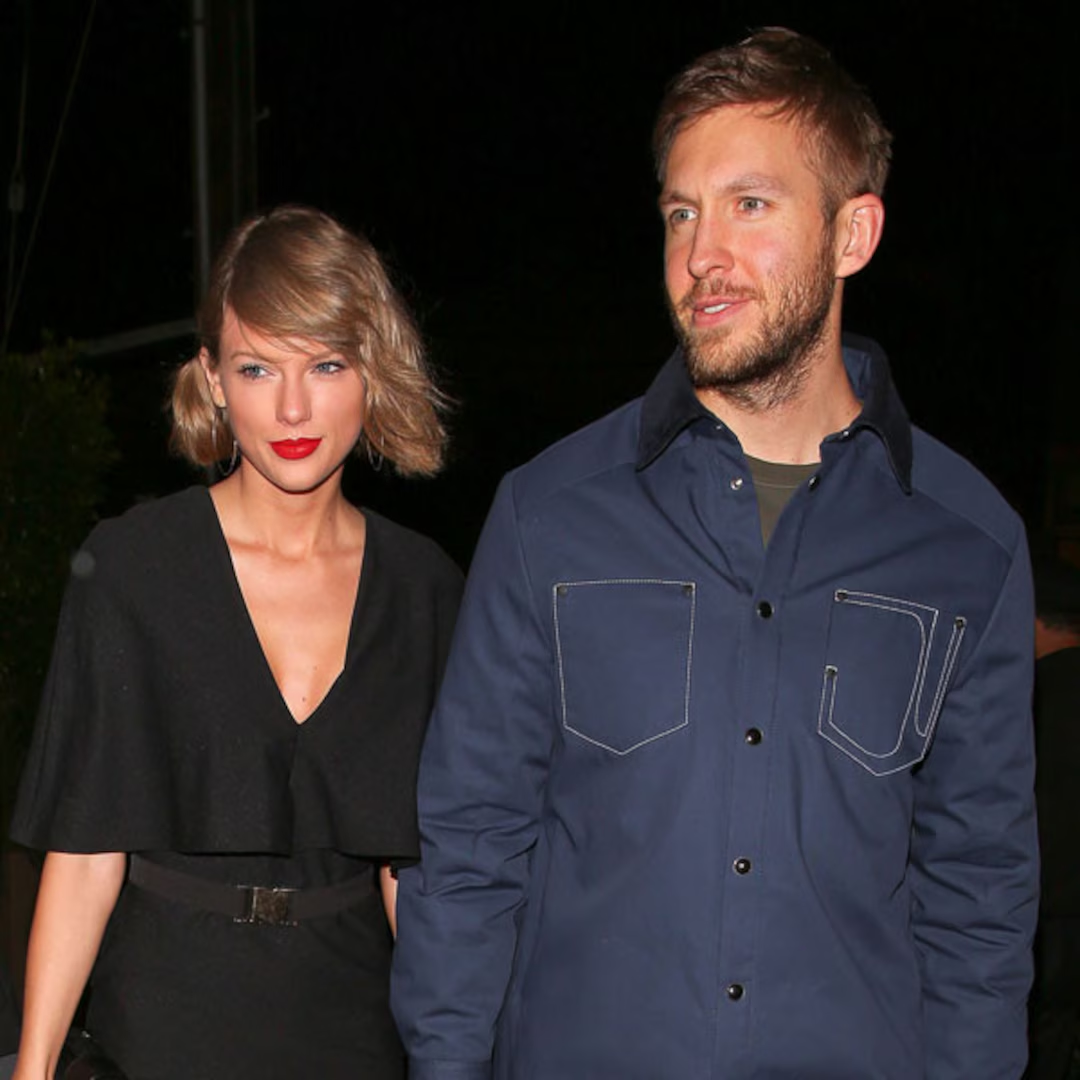
For a little over a year, Taylor Swift and Calvin Harris seemed like one of the most high-profile couples in music.
She was one of the biggest pop songwriters in the world. He was one of the most successful DJs and producers on the planet. Together, they appeared to represent a rare blend of two global music powerhouses supporting each other’s careers.
For 15 months, the relationship played out largely through curated glimpses—red carpet appearances, social media posts, and occasional public support for each other’s work. Fans followed it closely, often interpreting small moments as signs of how serious things were.
But behind the scenes, the relationship was more complicated than the public narrative suggested.
When the couple eventually split in 2016, it initially appeared to be a relatively standard celebrity breakup. However, what followed quickly turned it into a much larger cultural story.
Shortly after the breakup, Harris revealed in interviews that Swift had been involved in writing and contributing vocals to his song This Is What You Came For, released under his name and featuring Rihanna.
At first, the collaboration was not widely known, and it added a new layer to the public discussion about their relationship. Harris confirmed Swift’s involvement, but tensions reportedly rose when the information became public in a way neither side had fully anticipated.
Soon after, both parties began posting and responding on social media.
What might have remained a private breakup instead became a highly visible exchange of statements, interpretations, and emotional reactions online. Fans quickly aligned on different sides, analyzing tweets, timing, and wording for deeper meaning.
As the situation escalated, the tone shifted from mutual support to public disagreement.
One of the most discussed aspects of the fallout was how quickly the narrative changed. At first, the relationship had been viewed as stable and successful. After the breakup, public perception transformed almost overnight into a story of creative disagreement and miscommunication.
Calvin Harris later expressed frustration about how events unfolded publicly, suggesting he felt the situation became larger than it needed to be. Swift, meanwhile, eventually stepped back from direct commentary, and the attention slowly moved toward her next musical era.
That next era, Reputation, would later be widely interpreted as reflecting themes of public scrutiny, media narratives, and emotional aftermath—though not tied to any single event alone.
What makes the Swift–Harris timeline especially fascinating is how clearly it shows the speed of modern celebrity cycles.
In earlier decades, breakups between high-profile figures might have remained mostly private or developed slowly through traditional media coverage. In the social media era, however, relationships can shift from romantic to publicly analyzed in a matter of days.
Small details become major headlines.
Private collaborations become public debates.
And personal disagreements can quickly turn into global conversations.
Looking back, the 15 months Swift and Harris spent together now feel like a brief but highly influential moment in both of their careers—not because of the relationship itself, but because of how dramatically its ending played out in the public eye.
In the end, there was no clean resolution or final shared statement that closed the story.
Instead, it simply faded as both artists moved forward into new phases of their careers, leaving behind one of pop music’s most widely discussed and closely examined celebrity relationships.