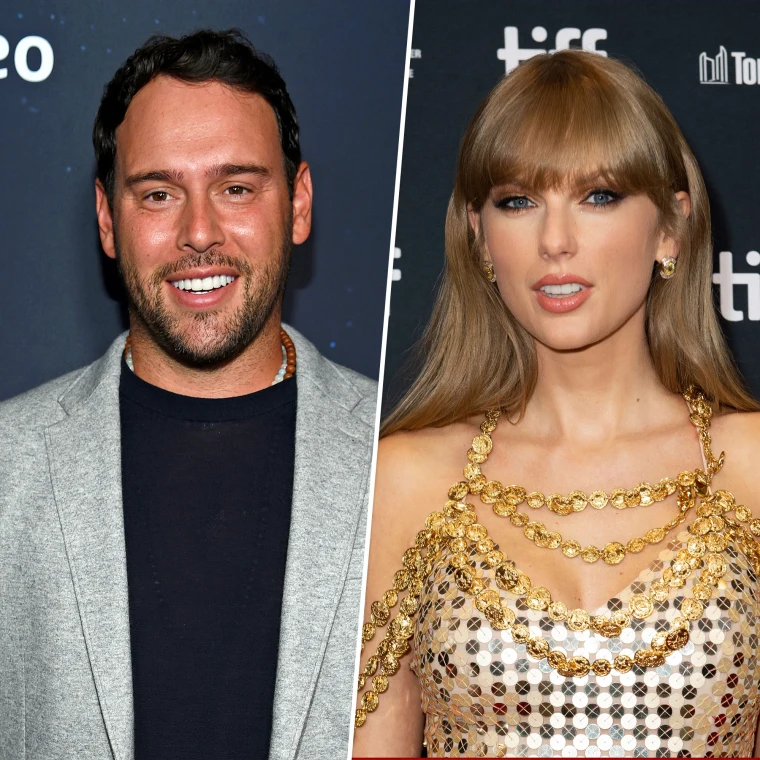
In 2019, the music world was shaken by a deal that few people saw coming. Scooter Braun acquired Big Machine Label Group—the company that owned the master recordings of Taylor Swift’s first six albums. With that purchase, control of the original versions of her music—songs she had written and built her career on—changed hands overnight.
For Swift, it wasn’t just a business transaction. It was deeply personal.
She later revealed that she had tried to gain ownership of her masters in the past but was offered terms she felt were unfair. When the catalog was sold, she said she learned about it at the same time as the public. The idea that someone else now controlled the recordings tied to her life’s work was something she found difficult to accept.
In the music industry, owning masters is a powerful advantage. It means control over how songs are used, licensed, and monetized. For decades, many artists signed deals that gave that ownership to labels, often without fully realizing the long-term impact. Swift’s situation suddenly brought that issue into the spotlight for millions of fans.
But what happened next is what truly changed everything.
Instead of accepting the loss, Taylor Swift made a bold and unprecedented decision: she would re-record her old albums.
Her plan was simple in concept but massive in execution. By creating new versions of her original songs—labeled “Taylor’s Version”—she could regain control over the music itself. Fans could choose to support her by streaming and buying the new recordings instead of the originals.
When she began releasing these re-recorded albums, starting with Fearless (Taylor’s Version), the response was overwhelming. Not only did longtime fans embrace the project, but it also introduced her earlier work to a new generation. Songs that had already been hits once found new life on the charts.
More importantly, the move shifted the conversation across the entire industry.
Artists began speaking more openly about ownership and contracts. Young musicians started paying closer attention to the fine print in their deals. Record labels, too, had to reconsider how they approached negotiations, knowing that artists now had a high-profile example of someone taking back control in a very public way.
Swift didn’t just reclaim her music—she created a roadmap.
Her decision showed that artists aren’t always locked into the past. With enough determination, creativity, and fan support, it’s possible to reshape the rules. What once seemed like an impossible situation became an opportunity to challenge long-standing industry norms.
Today, the phrase “Taylor’s Version” means more than just a re-recording. It represents ownership, persistence, and the idea that artists should have a say in what happens to their work.
What started as a surprise business deal ended up sparking one of the most important shifts in modern music. And in typical Taylor Swift fashion, she didn’t just respond to the moment—she rewrote it.