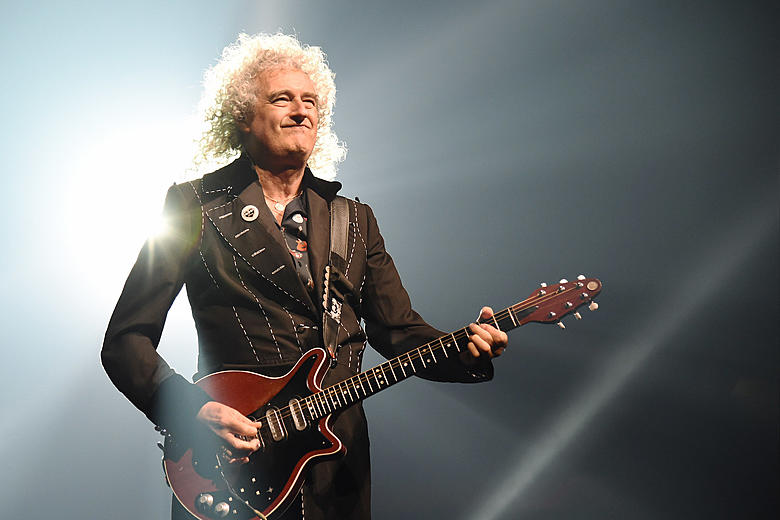
For decades, America was a second home for Queen. From sold-out arenas in the 1970s to their enduring cultural footprint today, the band’s relationship with U.S. fans has always been electric. So when Brian May recently suggested that the band may not return to tour the United States “in the foreseeable future,” it didn’t just sound like a scheduling update—it felt like the closing of a chapter.
May’s reasoning is strikingly direct. Calling the U.S. “a dangerous place at the moment,” he pointed to a broader sense of unease that’s influencing not just Queen, but many artists weighing the realities of modern touring. For fans, it’s a sobering thought: a band that once thrived on the scale and energy of American crowds is now stepping back from that very stage.
A Deep American Connection
It’s hard to overstate how important the U.S. has been to Queen’s legacy. During their peak years, America wasn’t just another tour stop—it was a proving ground. The band’s theatrical performances, genre-blending sound, and larger-than-life identity found a natural home in the country’s arena rock culture.
Even in recent years, that bond continued through the wildly successful “Queen + Adam Lambert” tours. Since teaming up with Adam Lambert in 2012, the band has managed to introduce their catalog to a new generation while honoring the legacy of Freddie Mercury. Their 2023 U.S. run proved there was still enormous demand.
Which makes this pause all the more poignant.
More Than Just One Band’s Decision
May’s comments tap into a larger shift happening across the music industry. Touring in the 2020s is no longer just about selling tickets—it’s about navigating a complex mix of global tensions, safety concerns, financial risk, and physical endurance.
For legacy acts like Queen, those factors are amplified. These aren’t young musicians grinding through club circuits; they’re icons managing massive productions, traveling with large crews, and performing under intense expectations. The margin for risk—whether physical or logistical—is much smaller.
And while May didn’t point to specific incidents, the broader climate he alluded to is hard to ignore. Public unrest, political division, and high-profile safety concerns have all contributed to a sense that large-scale touring requires more caution than ever before.
A Band Taking It Day by Day
Importantly, this isn’t a definitive farewell. May has emphasized that future plans are being evaluated “day by day,” leaving the door open—however slightly—for a return if conditions change.
That uncertainty reflects where Queen is in its journey now. This is no longer a band driven by relentless touring cycles, but one carefully choosing when and where to perform. Each appearance carries weight, both for the band and for fans who know opportunities to see them live are becoming rarer.
What It Means for Fans
For American fans, the message is bittersweet. There’s no dramatic goodbye, no final tour—just an indefinite pause. The kind that lingers.
But if Queen’s history has shown anything, it’s that their story rarely follows a predictable script. From reinventing themselves after Mercury’s passing to finding new life with Lambert, they’ve consistently adapted in ways few bands ever manage.
So while the idea of Queen staying off U.S. stages feels like the end of an era, it may also simply be another transition—one shaped by time, perspective, and a changing world.