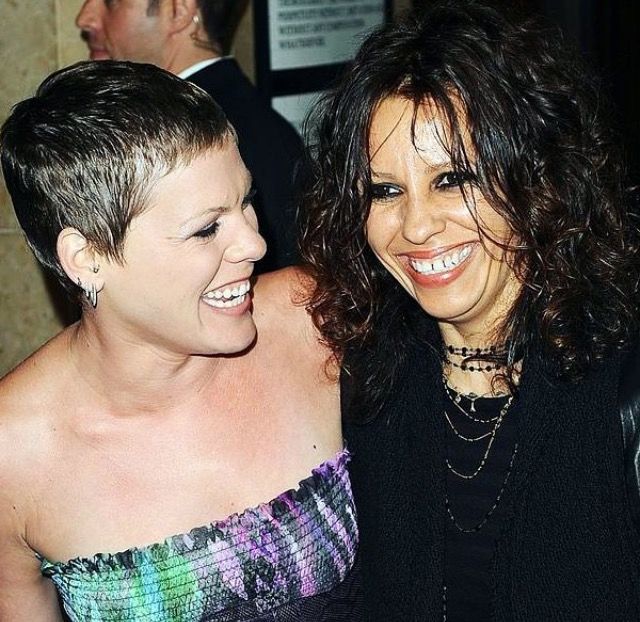
Long before Pink became one of the most recognizable voices in pop and rock, she was just a teenager trying to find her place in the music world. At 17, she didn’t quite fit the typical mold record labels were looking for. Her voice was powerful but unconventional, her attitude bold, and her style hard to define.
That’s when Linda Perry entered the picture—and saw something no one else seemed to notice.
Perry, already respected in the industry for her work as a songwriter and producer, took a chance that many others avoided. While some saw a risky, unpredictable young artist, Perry saw raw potential. She believed Pink’s voice had a depth and honesty that couldn’t be taught, something that would connect with people in a real and lasting way.
What made her decision even more remarkable was how much she was willing to risk. Perry didn’t just casually support Pink—she put her own reputation on the line to back her. In an industry where safe choices are often preferred, this was a bold move. If Pink didn’t succeed, it could have reflected badly on Perry’s judgment.
But Perry trusted her instincts. She focused on helping Pink embrace what made her different instead of trying to change her. Rather than smoothing out her rough edges, she encouraged her to lean into them—to be louder, more honest, and more fearless.
That belief helped shape the artist Pink would eventually become. Her voice, filled with emotion and strength, became her signature. Her willingness to speak openly through her music made her stand out in a crowded industry.
Looking back, it’s clear that Perry saw more than just talent—she saw identity. She recognized that Pink didn’t need to fit in to succeed; she needed to stand out.
Today, Pink’s career speaks for itself, but it’s hard not to think about how different things might have been without that early moment of belief. Linda Perry’s decision wasn’t just about signing an artist—it was about recognizing something rare and choosing to fight for it when no one else would.