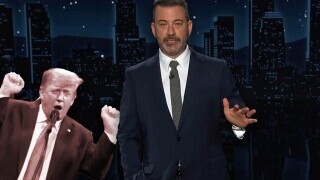
Late-night television thrives on laughter, but this week Jimmy Kimmel made a deliberate and jarring choice: he abandoned the jokes and spoke with unmistakable anger.
On Jimmy Kimmel Live!, the host delivered a monologue that felt less like entertainment and more like a warning. The studio grew quiet. The familiar rhythm of punchlines disappeared. In its place was a blunt message aimed squarely at those he accused of trying to reshape reality itself.
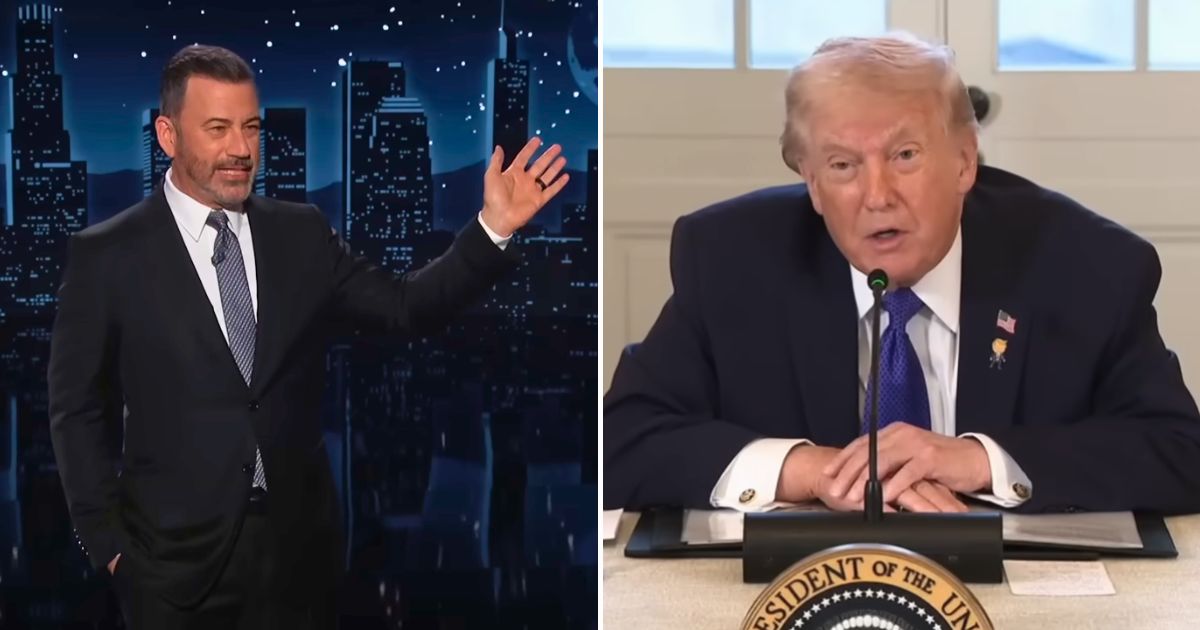
A Monologue Without a Safety Net
From the opening moments, it was clear this was not business as usual. Kimmel accused political figures and their allies of gaslighting the public in the aftermath of a deadly incident in Minneapolis—asking viewers to ignore evidence in favor of a more convenient story. He called out the spin, the silence, and the efforts to redirect blame, urging people to focus on what they could plainly see rather than what they were being told to believe.
“Look at what’s right in front of you,” he pressed, returning again and again to a single, cutting question: How stupid do you think we are?

When Satire Gives Way to Truth
The frustration in Kimmel’s voice was impossible to miss. He warned against the idea that repeating a narrative often enough can turn it into fact, or that public outrage will simply fade if it’s drowned out by distraction. In his view, this wasn’t an isolated moment—it was part of a larger pattern.
“When lies go unchallenged,” he said, “they don’t just repeat—they spread.”
The audience response spoke volumes. Laughter gave way to applause, then to silence. Online, clips of the monologue spread quickly, igniting heated debate and prompting many viewers to call it one of the most raw and uncomfortable moments of Kimmel’s career.
Why This Moment Resonated
The monologue struck a nerve because it arrived at a time when trust feels especially fragile. Across the country, people aren’t just arguing about what happened—they’re arguing about what version of events they’re expected to accept. Kimmel’s message cut through that tension with a simple insistence: evidence matters. Reality matters. And ignoring either comes with consequences.
Supporters praised the segment as courageous and necessary. Critics dismissed it as proof that late-night television has fully crossed into political commentary. Either way, the reaction was immediate and intense.
More Than Late Night
Whether seen as advocacy or accountability, the monologue was a reminder of the influence late-night hosts still carry. When comedy drops its mask, the result can be unsettling—but also clarifying.
Kimmel didn’t ask viewers to agree with him. He asked them to pay attention.