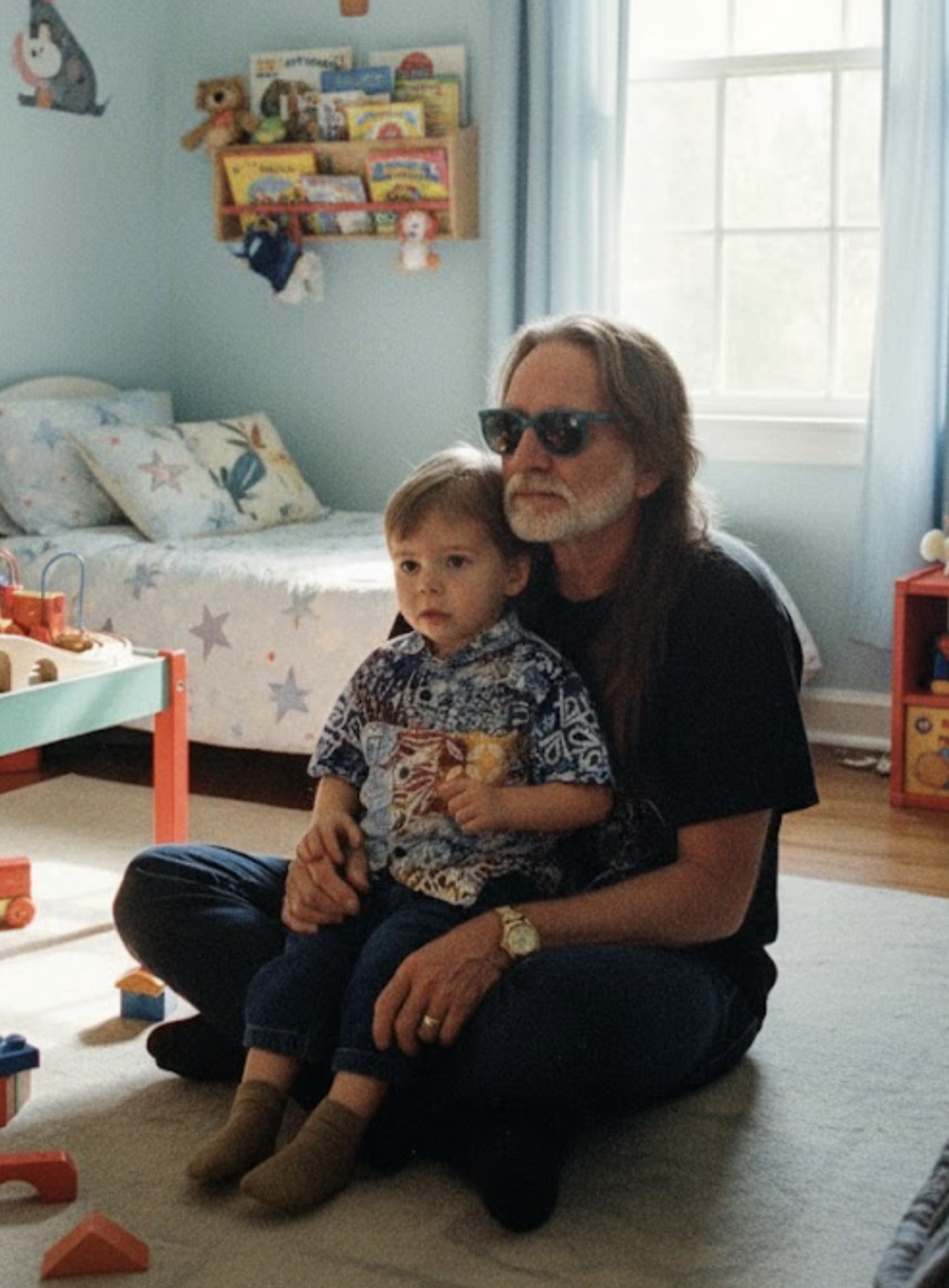
Inside Willie Nelson’s 70-Year Journey: The Quiet Turning Points That Shaped a Legend
Willie Nelson’s life in music isn’t just a long career—it’s an unfolding saga of reinvention, grit, and quiet courage. The world knows the outlaw icon with the braids, the easy smile, and the unmistakable voice. But behind the legend are a handful of private, defining moments—times when Willie’s instinct to trust himself over the industry changed not only his future, but the entire direction of country music.
1. Nashville’s Cold Shoulder (Early 1960s)
Willie’s first major turning point didn’t look like triumph—it looked like rejection. When he arrived in Nashville, he was already writing brilliant songs, but his offbeat phrasing and unusual musical instincts didn’t fit the polished “Nashville Sound” producers demanded. They tried to mold him into something safer, smoother, more predictable.
The real shift happened quietly. Willie decided he was done trying to fit in. He packed his bags and left Music City behind, later saying he was tired of being told how to sing. That choice—walking away from the heart of the country music industry—became the first spark of what would later grow into the Outlaw movement. It was the moment he chose authenticity over approval.
2. Trigger: The Accident That Became Magic (Mid-1960s)
Another crucial moment came from something small and personal: a guitar. After his previous guitar was damaged during a chaotic night, Willie bought a Martin N-20 classical guitar and named it Trigger, after Roy Rogers’ iconic horse.
Here’s the secret part—he didn’t treat Trigger like a fragile treasure. He ignored the growing hole, refused to repair the worn wood, and kept playing it like it was part of him. Instead of falling apart, Trigger developed a warm, gritty tone that no pristine instrument could ever imitate. The battered look and soulful sound reflected the very heart of Willie’s identity: unpolished, honest, and unmistakably his own.
Trigger wasn’t just a guitar. It became the audio signature of the Outlaw era—a sound that couldn’t be duplicated.
3. Coming Home to Texas (Early 1970s)
But the biggest transformation happened when Willie returned to Texas. Rather than chasing commercial success or returning to Nashville’s rules, he chose Austin—a city buzzing with students, hippies, and dreamers eager for something real.
The magic happened in the tiniest clubs and dance halls. Willie stripped down his band, tied on his bandana, and mixed country with rock, blues, jazz—whatever felt right. The crowds were a mix of cowboys and long-haired kids, an impossible blend anywhere else. Yet somehow, in Austin, it worked.
This was the moment Willie stopped trying to fit any mold and instead created a space where everyone was welcome. The result? A brand new sound. A new movement. A new chapter in American music.
His Texas homecoming didn’t just revive his career—it opened the doors wide for the artists who would come after him, proving that country music could be bold, weird, soulful, and endlessly creative.
https://www.facebook.com/photo/?fbid=122197944272298451&set=a.122104377704298451