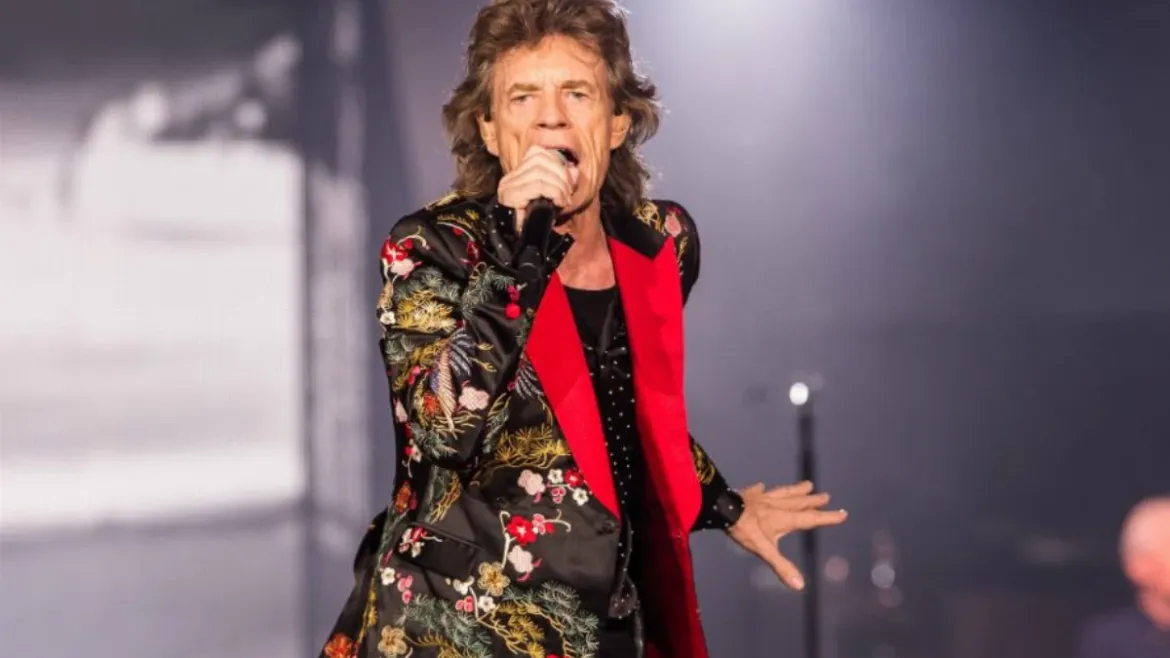
For more than sixty years, Mick Jagger has stood at the center of some of the biggest concerts in rock history. But according to the Rolling Stones frontman, his mission on stage has always been remarkably simple: give people a great time and let them forget their worries for a few hours.
Speaking during a recent appearance on The New York Times podcast The Interview, the 82-year-old singer explained that he sees live music as an escape from everyday life rather than a platform for political debate.
A Concert Should Be an Escape
Jagger was clear about what he believes audiences want when they buy a ticket to a concert.
“My job in the live music world is just [to have] those people that come have the best time they possibly can. And for two hours or whatever it is, to forget all their problems and the problems of the world and their mortgages and their whatever,” he said.
He compared attending a concert to going to a sporting event, where fans come together to enjoy the experience in front of them rather than think about the pressures waiting outside the venue.
For Jagger, the atmosphere and energy of each crowd may change from night to night, but the goal remains the same: entertainment first.
That philosophy has helped define the Rolling Stones’ live shows for decades, turning them into celebrations of music, energy, and escapism rather than political gatherings.
Politics in Songs, Not Speeches
While Jagger prefers to keep politics off the stage, he made it clear that social commentary still finds its way into his songwriting.
Discussing the band’s latest album, Foreign Tongues, he explained that he often blends political observations into songs that may appear to be about personal relationships or everyday experiences.
“I think that’s a trick, you know, that I’ve learned from other songwriters or I’ve listened to others,” he said.
However, he also believes there are limits to how much audiences want to hear political messaging in music.
“Nobody wants to hear a whole song about politics or social comment of any kind,” Jagger added.
One example is the Foreign Tongues track “Rough and Twisted,” which includes lines such as:
“The only club was called Conspiracy / They didn’t like me much / What they wanted was tyranny.”
Jagger described the song as more of a stream of consciousness than a direct political statement.
Bruce Springsteen Sees It Differently
Jagger’s comments inevitably invite comparisons with Bruce Springsteen, who has taken a far more outspoken approach in recent years.
Springsteen has regularly used concerts, public appearances, and new music releases to address political issues and criticize the Trump administration. During his recent tours and public events, the singer has spoken openly about civic responsibility and the role artists can play in public life.
Speaking at the Tribeca Festival in June, where he received the Harry Belafonte Voices for Social Justice Award, Springsteen explained his position:
“There’s the classic, ‘Well, which side are you on?’ You do have to make your stand and follow your beliefs, and have faith that they will be understandable by your fellow citizens.”
He added:
“At best, I’m a concerned citizen. I sing my songs and wish for the best.”
Two Rock Icons, Two Different Approaches
Neither artist is new to their chosen path.
Springsteen has incorporated political themes into his music and performances for decades, dating back to the era of Born in the U.S.A. in the 1980s.
The Rolling Stones, meanwhile, have largely kept overt political messaging away from their live performances, even while some of their songs have touched on social and political themes.
Ultimately, the two legends represent different ideas about what a rock concert should be.
For Bruce Springsteen, the stage can be a place for civic engagement and public conversation.
For Mick Jagger, it remains a place where people can forget their troubles, sing along to their favorite songs, and simply enjoy the moment.
After more than six decades in the spotlight, both approaches have earned devoted audiences — proving there is more than one way for a rock star to connect with the world.