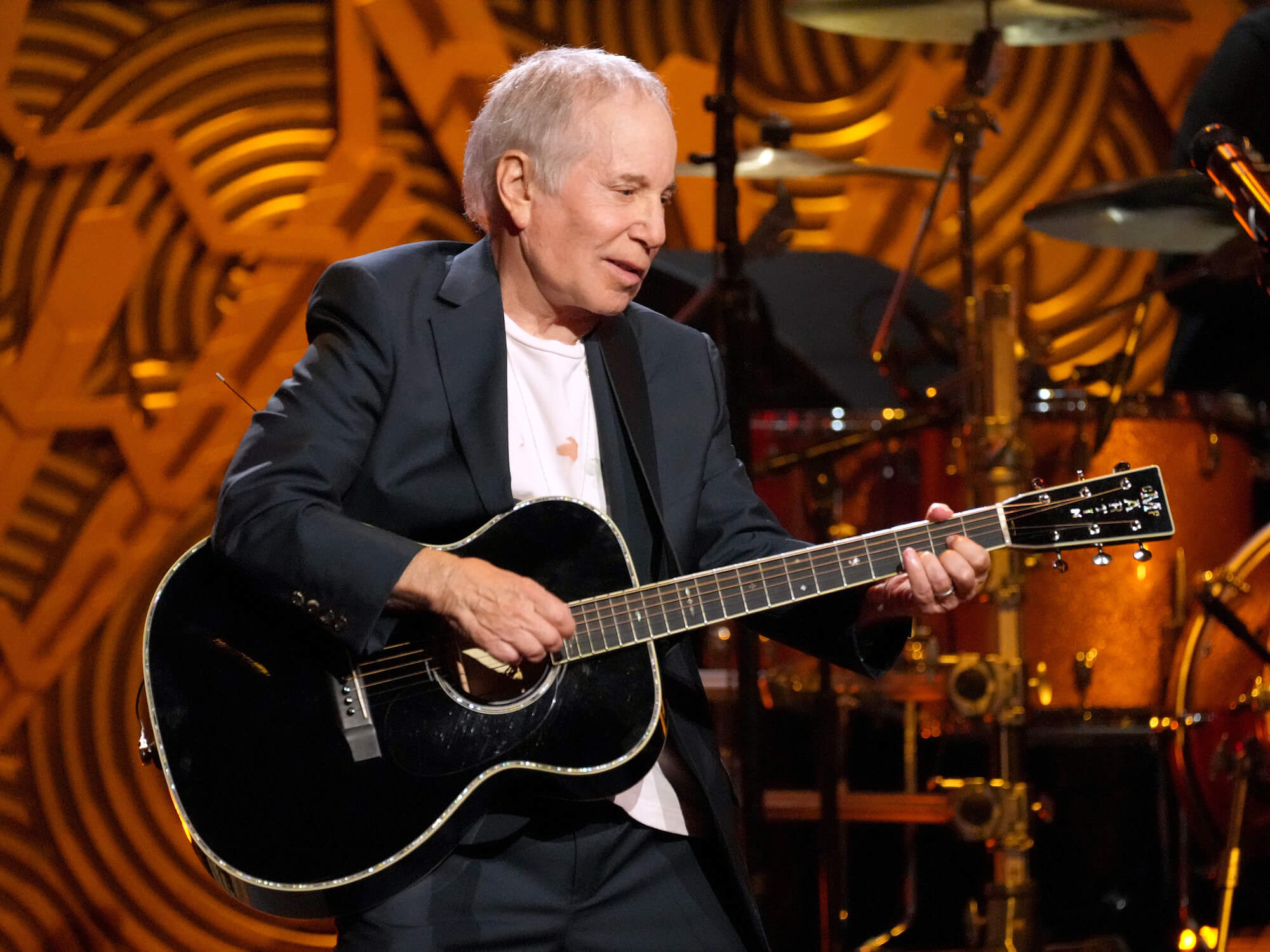
Paul Simon and Art Garfunkel have been not speaking to each other, then speaking to each other, then not speaking to each other, in a cycle that has repeated across fifty years with a regularity that suggests neither man has found a way to be in the other’s presence for extended periods without something eventually failing between them, and neither man has found a way to be permanently separated without the professional and personal history they share pulling them back. The relationship is the longest running unresolved story in popular music — two men who produced some of the most enduring music in American culture and who cannot consistently share a room.
The specific period after the 1983 Hearts and Bones breakdown — when Simon removed Garfunkel’s vocal contributions without adequate warning and released the album as his own — produced a silence between them that lasted for several years and that Simon filled with songwriting. The songs he wrote during this period have been analyzed by people looking for the specific emotional content that the breakdown of a significant relationship produces in a songwriter who has spent his career processing his own life through his work.
1. The Boy in the Bubble (1986)
The opening track of Graceland — a song about the world of the 1980s, its technology and its violence and its specific quality of information overload — that contains, beneath the political and technological imagery, a register of loneliness that is not entirely accounted for by the subject matter. Simon has not described this song as being about Garfunkel. It does not need to be about Garfunkel to carry the specific emotional content that the period of their silence produced.
2. Graceland (1986)
The title track — a road trip to Elvis Presley’s home with his son, a meditation on loss and faith and the specific American mythology of redemption — has been widely analyzed as a song about recovery from personal loss. Simon has been specific about some of the personal content and general about other aspects of it. The line “losing love is like a window in your heart” has been cited in multiple analyses as the most directly autobiographical line on the album.
3. You Can Call Me Al (1986)
The most commercially successful track on Graceland — the one that produced the video with Chevy Chase and that introduced the album to audiences who might not otherwise have found it — is on its surface a comic piece about a middle-aged man’s identity crisis. Beneath the comedy is a portrait of someone who has lost the familiar landmarks of his life and is navigating without the expected reference points. This is either about the general condition of being middle-aged in the 1980s or about something more specific. Simon has allowed both readings.
4. Train in the Distance (1983)
Written and recorded immediately after the Hearts and Bones breakdown — a song about a relationship ending that Simon has said is the most autobiographical piece he has made. It contains the line “the thought that life could be better is woven indelibly into our hearts and our brains” — a statement about the persistence of hope in the face of repeated experience of its disappointment that sounds, in the context of the Simon-Garfunkel history, like something specific rather than general.
5. Old Friends (1968)
Written thirty years earlier — not about Garfunkel in its original composition, a meditation on aging and the specific strangeness of growing old with someone you have known since youth. Simon has performed it at reunion concerts with Garfunkel across four decades. It means something different each time, in the specific way that songs written before you understand what they are about accumulate meaning as the experience they describe becomes present rather than imagined.
Simon and Garfunkel last performed together in 2010. There are no confirmed plans for another reunion. Both men are in their eighties. The songs they made together are permanent, which is more than can be said for the relationship that produced them.