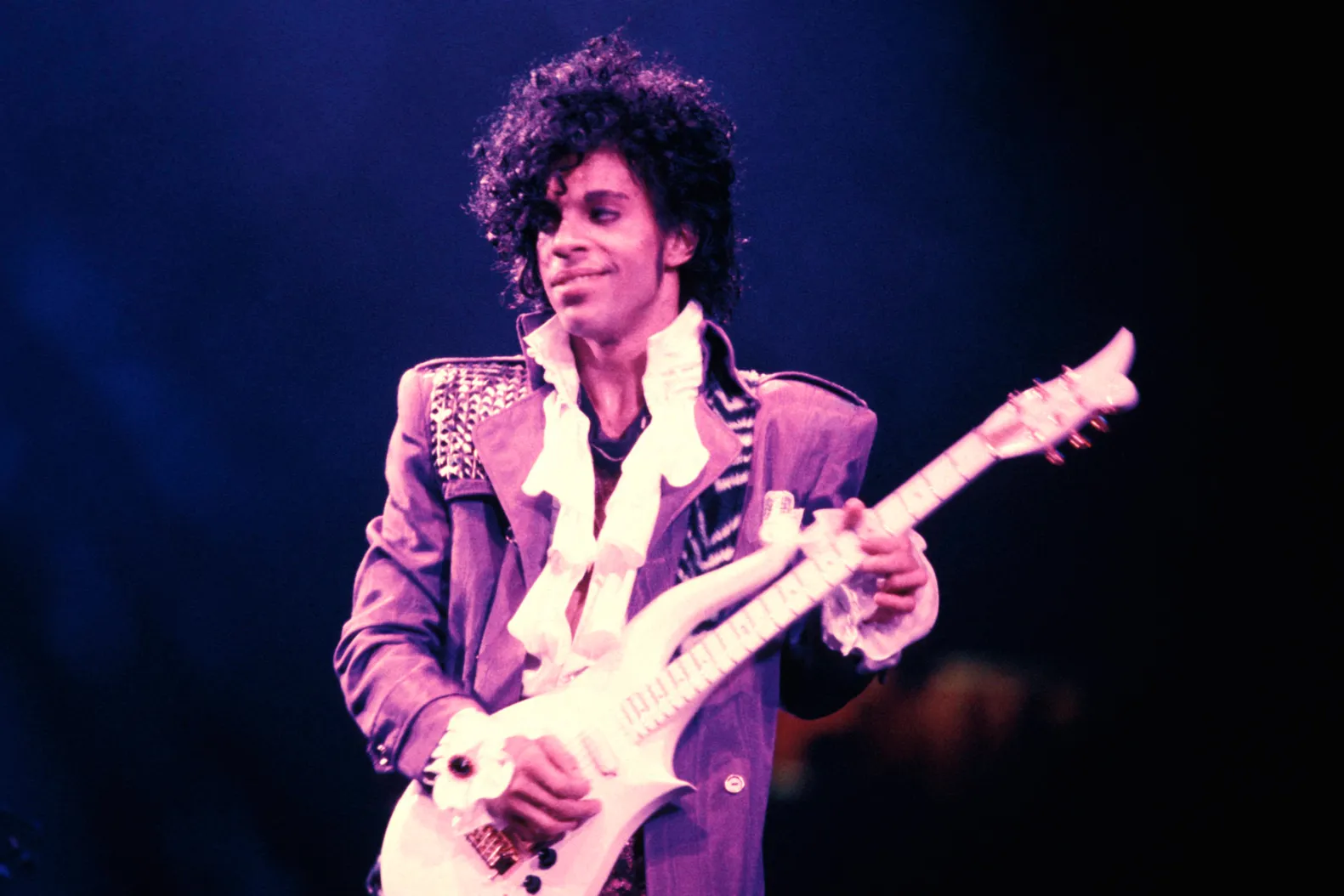
Few artists have challenged the boundaries of popular music like Prince. Throughout the 1980s, when radio programmers, record executives, and retailers were still dictating what was considered acceptable, Prince pushed sexual expression into uncharted territory. His lyrics were bold, provocative, playful, and often impossible to categorize. While many artists hinted at desire, Prince made it the centerpiece of his art.
Not surprisingly, his record label frequently worried that some songs went too far. Several tracks sparked heated debates over explicit content, forcing edits, delayed releases, or outright rejection. Ironically, many of those songs would later become defining moments in pop, rock, and R&B history, helping reshape what mainstream audiences—and the music industry—considered acceptable.
Here are five Prince songs that were considered too sexually explicit, and how each helped redefine the limits of popular music.
1. “Head” (1980)
Released on the groundbreaking album Dirty Mind, “Head” immediately established Prince as an artist with little interest in playing by conventional rules. The song tells the story of a bride who abandons her wedding ceremony after an encounter with the narrator, making it one of the most provocative narratives ever placed on a major-label album at the time.
Executives at Prince’s label reportedly questioned whether the song was simply too explicit for commercial release. Although it remained on the album, it received virtually no radio support because many stations refused to touch it.
Today, “Head” is recognized as one of the songs that announced Prince’s fearless artistic identity—a musician willing to sacrifice mainstream comfort in pursuit of complete creative freedom.
2. “Jack U Off” (1981)
Another lightning rod from the Controversy era, “Jack U Off” left little room for interpretation. Even its title was enough to alarm executives, retailers, and radio programmers.
The song’s playful funk groove contrasted sharply with lyrics that openly embraced sexual gratification in ways virtually unheard of in mainstream pop music. While the track was never positioned as a commercial single, it quickly became a fan favorite and reinforced Prince’s growing reputation as an artist unwilling to censor himself.
Its existence demonstrated that major-label albums could contain material previously considered far outside commercial boundaries.
3. “Darling Nikki” (1984)
If one Prince song permanently altered the music industry, it was “Darling Nikki.”
Appearing on the landmark album Purple Rain, the song tells the story of meeting a sexually adventurous woman in a hotel lobby. The lyrics generated outrage among conservative groups after Tipper Gore publicly criticized the song upon hearing it through her daughter.
The backlash eventually led to the formation of the Parents Music Resource Center and, ultimately, the introduction of the now-iconic “Parental Advisory: Explicit Lyrics” label on music releases.
Ironically, the controversy only strengthened Prince’s reputation. Instead of limiting artistic freedom, “Darling Nikki” helped ignite a broader conversation about censorship, artistic expression, and the role of parents versus record companies.
4. “Erotic City” (1984)
Originally released as the B-side to “Let’s Go Crazy,” “Erotic City” was considered far too explicit for many radio stations.
The song blurred gender roles, celebrated sexual freedom, and featured lyrics that were daring enough to keep it off many commercial playlists despite becoming a favorite in clubs.
Rather than disappearing, “Erotic City” became one of Prince’s most beloved underground classics. It proved there was a substantial audience eager for music that ignored conventional moral expectations.
Its enduring popularity also encouraged labels to become more willing to release unconventional material by established artists.
5. “Shockadelica” (1985)
Although less commercially known than the previous entries, “Shockadelica” further demonstrated Prince’s willingness to combine sexuality with surrealism and psychedelic funk.
Originally recorded during one of the most creatively prolific periods of his career, the song contained imagery and lyrical themes that executives considered difficult to market. While not banned outright, it reflected the ongoing tension between Prince’s artistic instincts and the commercial concerns of his label.
Today, “Shockadelica” is celebrated as another example of Prince refusing to dilute his creative vision, regardless of industry pressure.
Prince Changed More Than Lyrics
Looking back, what once seemed scandalous now feels remarkably influential.
Prince didn’t simply write explicit songs—he challenged assumptions about race, gender, religion, desire, and artistic freedom. His willingness to confront taboos opened doors for generations of artists who followed, from pop superstars to hip-hop innovators and alternative musicians.
Many of today’s biggest hits feature lyrical themes that would have been unimaginable on mainstream radio before Prince’s rise. The boundaries he tested became the new normal, proving that controversy often precedes cultural change.
His clashes with record executives ultimately revealed a larger truth: popular music evolves because artists refuse to accept the limits imposed upon them. Prince understood that better than almost anyone—and he transformed the sound, language, and freedom of modern music in the process.