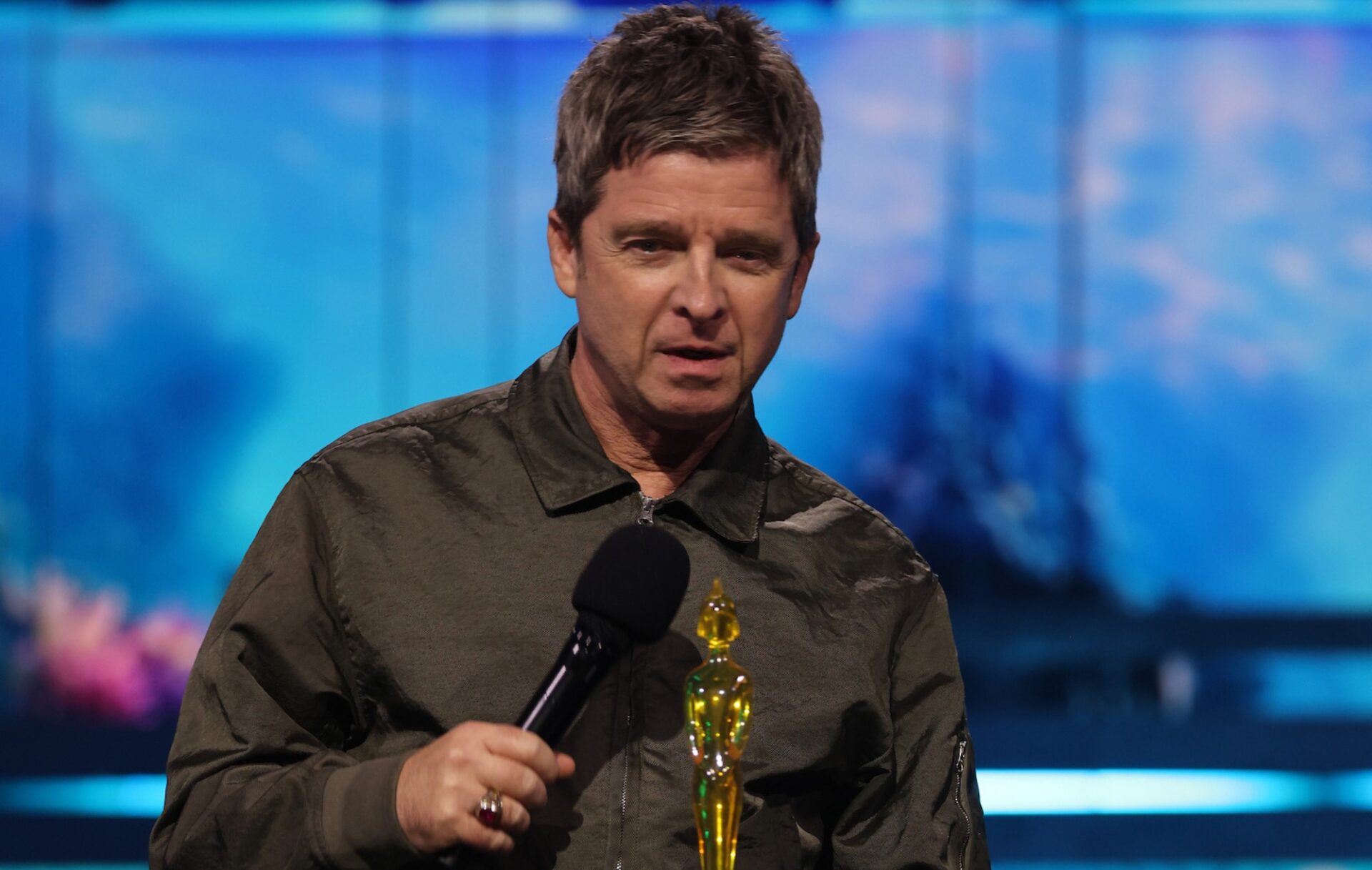
Few musicians have divided opinion quite like Noel Gallagher. Critics have spent decades accusing him of borrowing heavily from his musical heroes, while fans point to his extraordinary gift for writing unforgettable melodies. Whatever side you fall on, one thing is undeniable: Noel’s songwriting has earned him a place among Britain’s finest modern rock composers.
But despite his admiration for many legends of the 1960s, there was one iconic guitarist he never had much time for—Eric Clapton.
Noel Gallagher’s Love-Hate Relationship With Rock Legends
Noel has never been shy about voicing his opinions. Throughout his career, he’s taken aim at countless artists, often with brutal honesty.
To his credit, he’s also shown he’s capable of changing his mind. His once-infamous rivalry with Blur eventually softened, and he even admitted he had been wrong about The Beach Boys after years of dismissing them as “the most overrated band in history.”
When it came to Eric Clapton, however, Noel never really changed his tune.
Songs First, Guitar Solos Second
At the heart of Noel’s philosophy is a simple belief: great songs matter more than technical ability.
While he understood that every guitarist needs enough skill to create the sounds they imagine, he never believed music should become a showcase for virtuosity. For Noel, a handful of chords, a memorable melody, and honest lyrics were all that truly mattered.
That mindset shaped Oasis from the very beginning. Rather than chasing complex musicianship, the band focused on writing massive anthems that connected with millions of listeners.
The Clash Between Songwriters and Guitar Heroes
During the late 1960s, British rock increasingly celebrated technical brilliance. Guitarists pushed the boundaries of the instrument, building on decades of blues tradition. Bands like The Yardbirds helped usher in an era where dazzling solos became a defining feature of rock music.
Noel certainly admired greatness. Jimi Hendrix represented everything exciting about the electric guitar—innovative, expressive, and completely unique.
But Eric Clapton represented something entirely different.
Although Noel respected Clapton’s achievements with Cream and acknowledged the band’s aggressive, groundbreaking sound, he felt Clapton’s playing often prioritized technique over emotion and songwriting.
“Eric Clapton’s F***ing Awful”
Never one to soften his words, Noel once delivered one of his harshest assessments while discussing legendary guitarists:
“Eric Clapton’s f***ing awful. Jimi Hendrix is just too good. I put Keith Richards in the same bracket as Steve Jones. It’s quite limited to what they do, but they just make it work for them.”
That quote perfectly captures Noel’s outlook.
He admired players like Keith Richards and Steve Jones not because they were technical masters, but because they understood how to serve the song. Their limitations became strengths, creating instantly recognizable styles that didn’t rely on endless displays of skill.
Why Oasis Never Wanted to Be Cream
Oasis was never interested in producing sprawling 20-minute jams or extended guitar workouts.
Albums like Definitely Maybe were built around unforgettable choruses, singalong melodies, and straightforward rock-and-roll energy. Noel believed a great chorus would always outlast the most technically impressive solo.
Ironically, the feeling appeared to be mutual. Clapton also had his own criticisms of Oasis during the Britpop era, meaning there was never much affection between the two camps.
A Different Vision of Rock and Roll
Although Noel Gallagher borrowed inspiration from many of the bands he grew up listening to, his ultimate goal was always to write timeless songs rather than impress fellow musicians.
To him, Eric Clapton represented a style of rock built around guitar heroics, while Oasis stood for melody, hooks, and emotional connection.
Whether you agree with Noel’s famously blunt opinion or not, his career speaks for itself. He didn’t need lightning-fast solos or technical fireworks to leave his mark on rock history.
Instead, he relied on what he believed mattered most: songs people would still be singing decades later.