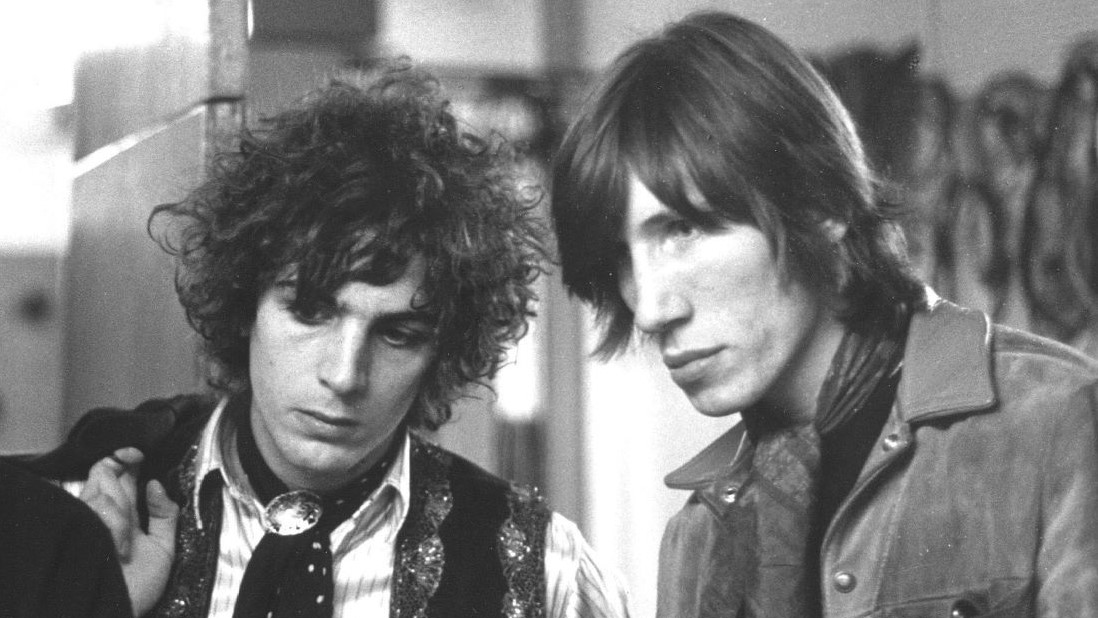
Few stories in rock history are as heartbreaking as that of Syd Barrett. A visionary songwriter, brilliant guitarist, and the original creative force behind Pink Floyd, Barrett helped shape one of the most influential bands of all time. Yet, within just a few years, he found himself watching the group continue its meteoric rise without him.
But before he disappeared from the spotlight forever, Barrett created one final artistic statement—an album that remains one of rock’s most haunting and misunderstood masterpieces.
From Genius to Isolation
In the mid-1960s, Syd Barrett was the face of Pink Floyd. His whimsical songwriting and psychedelic imagination defined the band’s groundbreaking debut album, The Piper at the Gates of Dawn. Songs like “Astronomy Domine” and “Bike” showcased an artist unlike anyone else in British rock.
However, Barrett’s mental health struggles, compounded by heavy LSD use, made performing increasingly difficult. By early 1968, Pink Floyd made the painful decision to replace him with guitarist David Gilmour. Eventually, Barrett was no longer part of the band he had founded.
It was a heartbreaking chapter that would inspire much of Pink Floyd’s later work, including the emotional tribute “Shine On You Crazy Diamond.”
A Final Creative Burst
Despite his departure, Barrett wasn’t finished making music.
In 1970, he released Barrett, his second and final solo album. Produced with the help of David Gilmour and Richard Wright, the record offered a deeply personal glimpse into Barrett’s extraordinary imagination.
Unlike the polished, expansive sound Pink Floyd would later become known for, Barrett felt intimate and fragile. Its songs shifted between playful surrealism and moments of startling vulnerability, revealing flashes of the creative genius that had once captivated London’s underground music scene.
Tracks such as “Baby Lemonade,” “Gigolo Aunt,” and “Dominoes” remain favorites among devoted fans, balancing childlike wonder with an unmistakable sense of melancholy.
Music That Haunted His Former Bandmates
The members of Pink Floyd never completely left Barrett behind.
David Gilmour dedicated considerable time to helping Barrett record his solo material, while Roger Waters would continue exploring themes of absence, loss, and fractured identity throughout Pink Floyd’s later albums.
Perhaps the most unforgettable moment came in 1975 during the recording sessions for Wish You Were Here, when Barrett unexpectedly appeared at Abbey Road Studios. His former bandmates were stunned by how much he had changed. The emotional encounter has become one of rock’s most poignant stories, symbolizing both friendship and the devastating effects of mental illness.
An Album That Grew in Reputation
Commercially, Barrett made little impact upon its release. It was overshadowed by Pink Floyd’s growing success and received only modest attention.
Over the decades, however, the album has earned cult-classic status. Critics and musicians alike have come to appreciate its unconventional beauty, emotional honesty, and fearless creativity. While it may lack the commercial polish of Pink Floyd’s later masterpieces, it offers something equally valuable: an unfiltered glimpse into the mind of one of rock’s most original artists.
Syd Barrett’s Lasting Legacy
Syd Barrett recorded very little music during his career, yet his influence continues to echo across generations of musicians. His songwriting inspired countless psychedelic, indie, and alternative artists, while his story remains one of the most moving in rock history.
Barrett stands as more than just his final solo album. It is the closing chapter of a remarkable creative journey—a reminder of the brilliance that once launched Pink Floyd and the fragile human story behind one of music’s greatest legends.
Even decades later, listening to Barrett feels less like revisiting a forgotten album and more like hearing the final voice of an artist whose imagination changed rock music forever.