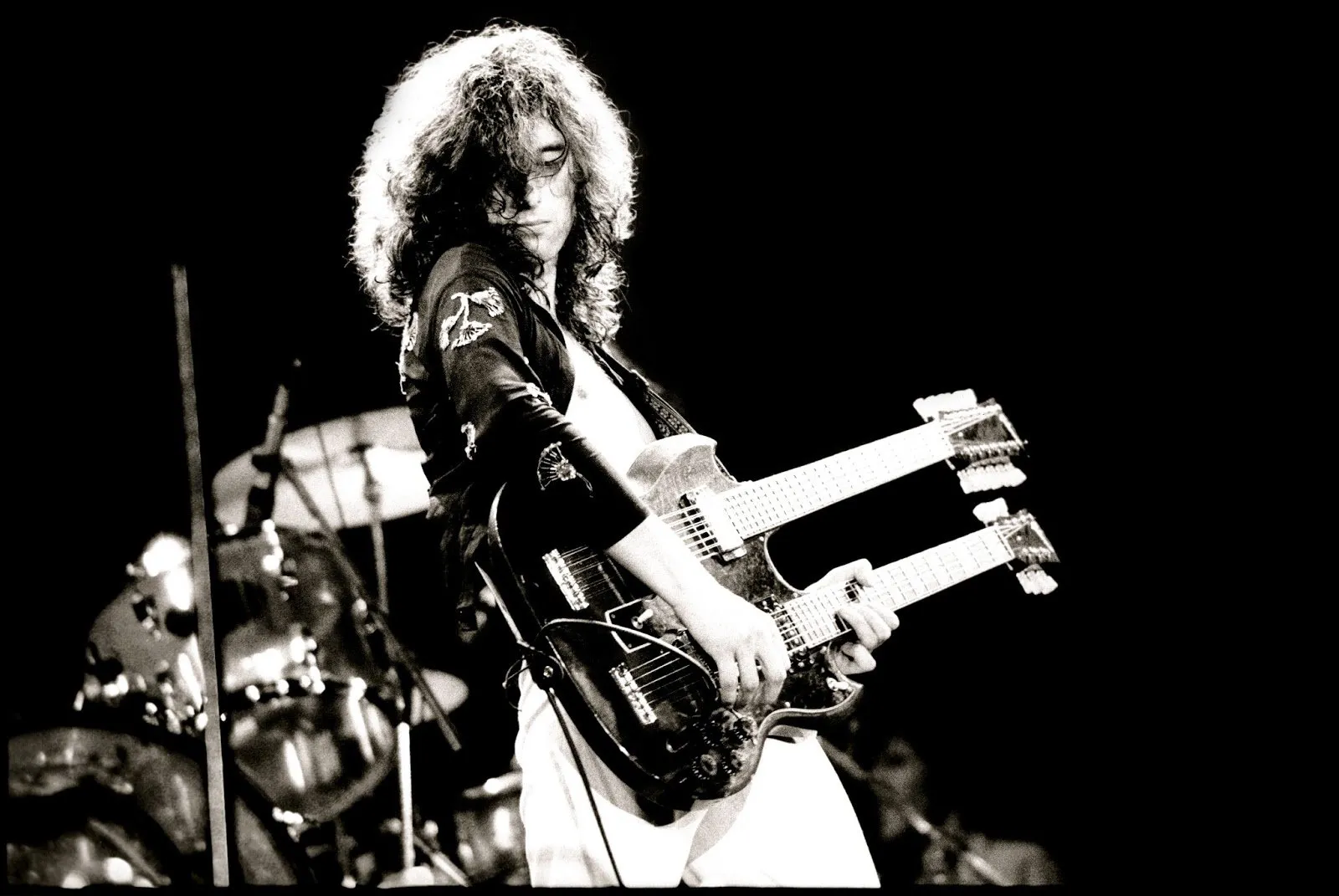
For years, music industry pundits treated rock as a relic — a genre kept alive by classic rock radio and aging fanbases while pop, hip-hop, and electronic music dominated the charts. That narrative has collapsed. Walking into any major festival in 2026, the loudest, most chaotic mosh pits aren’t full of forty-somethings reliving their youth — they’re packed with teenagers and twenty-somethings who weren’t even born when some of these bands released their breakthrough albums.
The numbers back up what’s happening on the ground. Search interest in rock music has been climbing steadily, and industry trend reports now list the rock and metal revival among the defining music stories of the year, alongside genre-blending and the growing role of AI in production. What makes this resurgence different from past rock revivals is the engine driving it: short-form video.
TikTok Didn’t Kill Rock — It Saved It
The platform most blamed for shrinking attention spans and homogenizing pop music has, somewhat ironically, become rock’s biggest ally. TikTok’s algorithm rewards intensity — sudden drops, screamed choruses, blistering guitar solos, drum fills that hit like a gut punch. A fifteen-second clip of a breakdown does more for a band’s visibility now than a radio play ever could. Tracks from acts long dismissed as relics of the early 2000s nu-metal era are suddenly soundtracking millions of clips, introducing entirely new audiences to bands that built their careers a generation ago.
That’s part of why nu-metal in particular has roared back into relevance. Acts associated with that scene’s late-90s and early-2000s peak are no longer just nostalgia bookings — they’re pulling new, younger crowds and landing sync placements in major film and TV releases. The aesthetic has come back with them too: the tracksuits, the baggy fits, the snapback caps, all resurfacing as both fashion statement and cultural shorthand for rebellion.
Festivals Are Proof the Live Comeback Is Real
If streaming numbers can sometimes feel abstract, festival lineups don’t lie. Major US festivals this year have leaned hard into rock and metal headliners, drawing some of the largest and youngest crowds in years. Industry trade reporting has placed rock and metal among the year’s highest-grossing live genres worldwide — a notable reversal after years of pop and hip-hop dominating touring revenue charts.
Image caption: Fans crowd-surfing and throwing up devil horns at a sold-out arena show — proof that rock’s live energy still can’t be replicated by a playlist.
Veteran bands are capitalizing on the moment with reunion tours that would have seemed unlikely just a few years ago, while long-running acts are releasing albums that are charting higher than they have in decades. At the same time, a new generation of bands — leaner, internet-native, and built for virality from day one — is breaking through without ever needing traditional radio support. Heavier acts blending alternative metal with electronic textures, and melodic newcomers built around emotionally raw songwriting, are both finding real traction with listeners who discovered them through a single viral clip rather than an album rollout.
Nostalgia Meets Reinvention
Part of what’s fueling the genre’s renewed cultural relevance is a paradox: younger listeners are embracing rock eras they never lived through, but they’re consuming it through entirely modern means. 90s grunge, early-2000s nu-metal, and even 70s classic rock are all seeing renewed streams and shares, filtered through retro fashion trends and digital aesthetics rather than any direct memory of the original scenes.
At the same time, the genre isn’t simply repeating itself. Newer rock is blending more openly with electronic production, hip-hop-influenced song structures, and AI-assisted tools that let independent artists produce polished records without major-label budgets. Rather than competing with pop and hip-hop for chart space, today’s rock increasingly borrows from them — and vice versa — which has helped it sound louder and more current rather than purely retrospective.
Why This Comeback Has Staying Power
Unlike a single viral moment that fades within a news cycle, the forces driving rock’s resurgence look structural rather than temporary. As long as platforms continue to reward high-energy, emotionally intense audio, rock’s sonic DNA is well-suited to thrive. Add in a live-music economy that’s rewarded loud, communal, physically charged performances with packed arenas and premium ticket sales, and the genre has built itself a durable foundation rather than a flash-in-the-pan moment.
For a genre that critics have been prematurely burying for the better part of two decades, 2026 is shaping up to be the year rock proved it never actually left — it just found a louder way back in.